
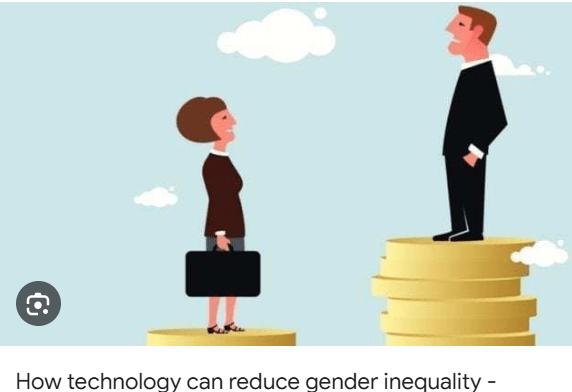
On the last Friday of March, we had a monthly meeting. We discussed the power gap: women in politics and the workplace
Spain leads Europe’s most encouraging headlines — women hold 44% of parliamentary seats and half the Cabinet. The UK sits at 40% and 44%. Zoom out globally, and the mood shifts fast: women hold just 22% of cabinet posts worldwide, and only 30 serve as Heads of State across 28 countries. The numbers are better than they were. They’re still not good enough.
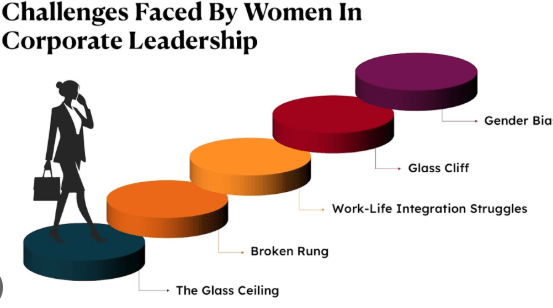
History offers a clue. The women who broke through — Elizabeth I, Catherine the Great, Indira Gandhi, Margaret Thatcher — didn’t just lead. They had to out man the men around them to survive. Today’s equivalents, Sheinbaum, Meloni, Takaichi, still operate in political cultures built by men, for men.
The workplace tells the same story. After both World Wars, women who had run factories and managed entire industries were quietly sent home when the men returned. The unspoken deal was clear: extraordinary circumstances aside, your place is domestic.

It took hard-won voting rights, mass university education and the contraceptive pill to begin dismantling that assumption through the 1960s and 70s. Progress since has been real but slow — women now lead giants like General Motors, Citigroup and Nasdaq, yet represent just 6–9% of CEOs globally. The most revealing experiment wasn’t in a boardroom but a concert hall: when the New York Philharmonic auditioned musicians behind a screen, female hires rose sharply. The music hadn’t changed. Only the visibility had.
In parts of the world, particularly where tribal custom and religious conservatism overlap, the conversation about equality hasn’t meaningfully begun. That is unlikely to change quickly, if at all.
Two uncomfortable questions remain. Are senior men reluctant to promote women? And why do women who reach the top so rarely pull others up behind them? Both patterns are real. Both are corrosive -the system was built by men for men, and any outsider has to play according to the same old rules and perceptions
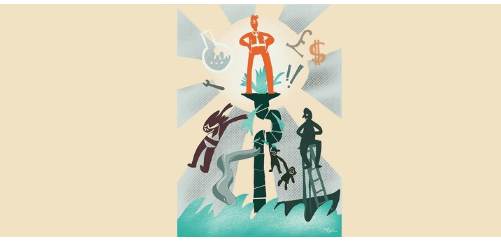
The conclusion is blunt: improvement is not the same as equality under the law. The figures speak plainly. We’re not there yet.