
Last Friday of the month, 24th of April we had our monthly meeting and discussed the global arms trade: who profits and who pays.
In the world at the moment are 46 active armed conflicts. Record revenues. A trillion-dollar industry with every incentive to keep the world at war.

| $679bn Top 100 arms companies’ revenue in 2024 | 46 Active armed conflicts worldwide in 2026 | $332bn US weapons exports in 2025 | 193% Profit rise at one Czech arms firm in 2025 |
The weapons business has never been more lucrative. In 2024, the world’s top 100 arms companies posted record revenues of $679 billion — and that figure is rising every year. In the United States alone, weapons manufacturing now accounts for roughly $1 trillion of annual economic activity.
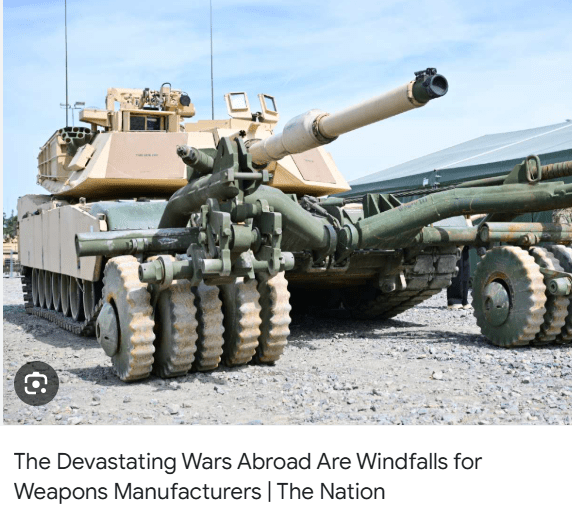
“There are huge amounts of money being made from armed conflicts — and every incentive to keep them going.”
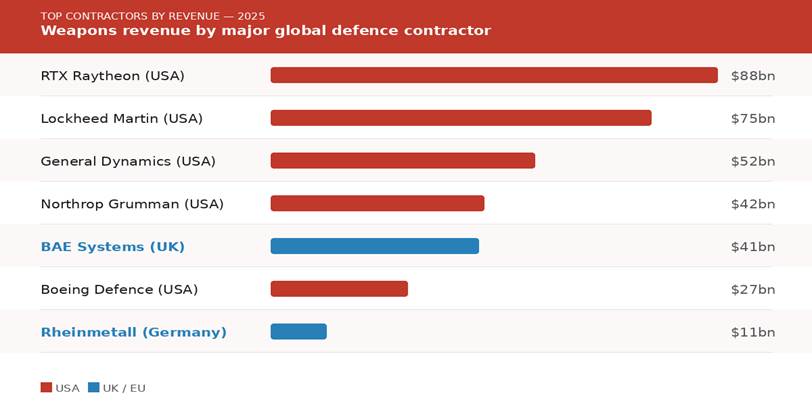
The five biggest US contractors — Raytheon, Lockheed Martin, Northrop Grumman, General Dynamics and Boeing Defence — together generated around $204 billion in 2025. The UK’s BAE Systems, at $41 billion, sits among them as the largest non-US producer. China’s AVIC and major European firms including Airbus, Rheinmetall and Dassault round out the global picture.
TOP CONTRACTORS BY REVENUE — 2025
POLITICAL INFLUENCE
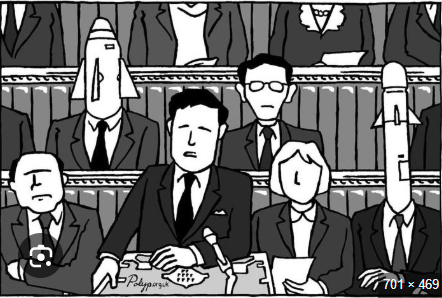
The industry doesn’t just make weapons — it shapes the politics that buy them. US defence firms spend around $90 million a year lobbying Congress, with an additional $12 million in campaign contributions. Most powerful of all is the “revolving door”: 70% of defence lobbyists are former government employees, often ex-Pentagon officials who move seamlessly into contractor roles. The result? Defence budgets are almost impossible to cut, regardless of which party is in power.
THE HUMAN COST
Sudan’s civil war has killed an estimated 200,000 people since April 2023. Ukraine’s war has produced hundreds of thousands of casualties on both sides. Gaza has seen over 72,000 Palestinian deaths. Africa, with more active conflicts than any other region, has recorded over 2 million killed since 2012.

The ammunition market alone is projected to grow from $35 billion in 2026 to $66 billion by 2031 — driven, in the industry’s own words, by the need to “replenish stockpiles due to active conflicts.”
The world’s politicians seem incapable of stopping this — and there is a dangerous trend toward armed force over negotiation.
With 46 conflicts ongoing and nine countries holding nuclear weapons, the stakes have never been higher. The arms trade thrives in exactly this environment. The question is whether the world can afford to let it.