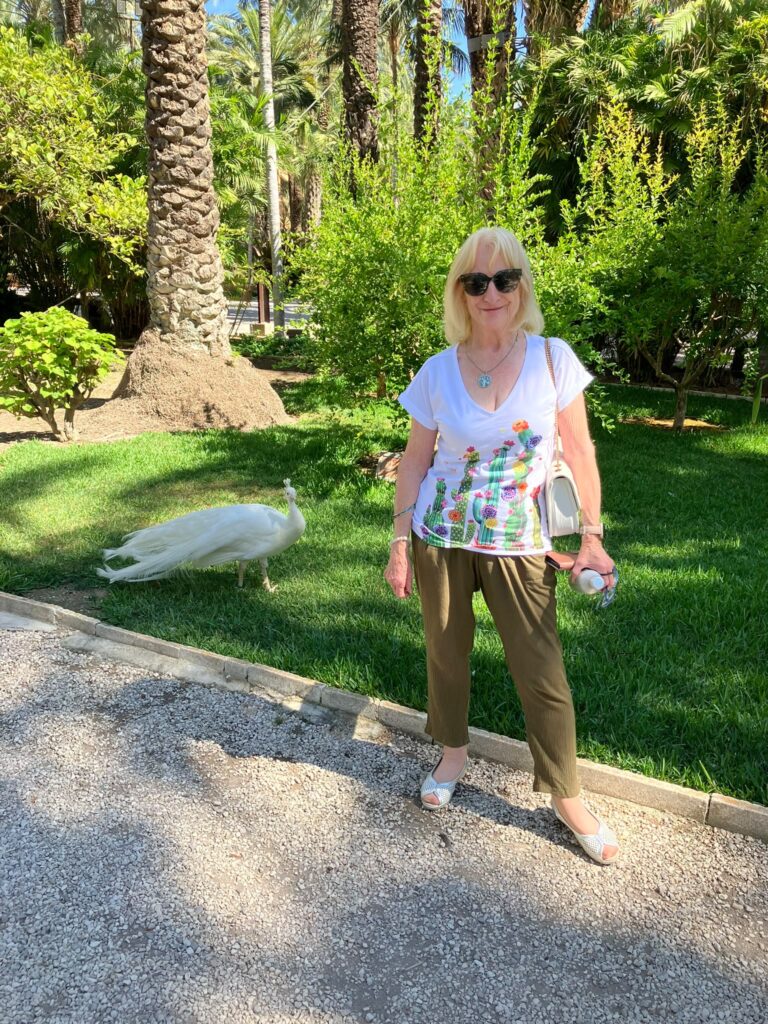
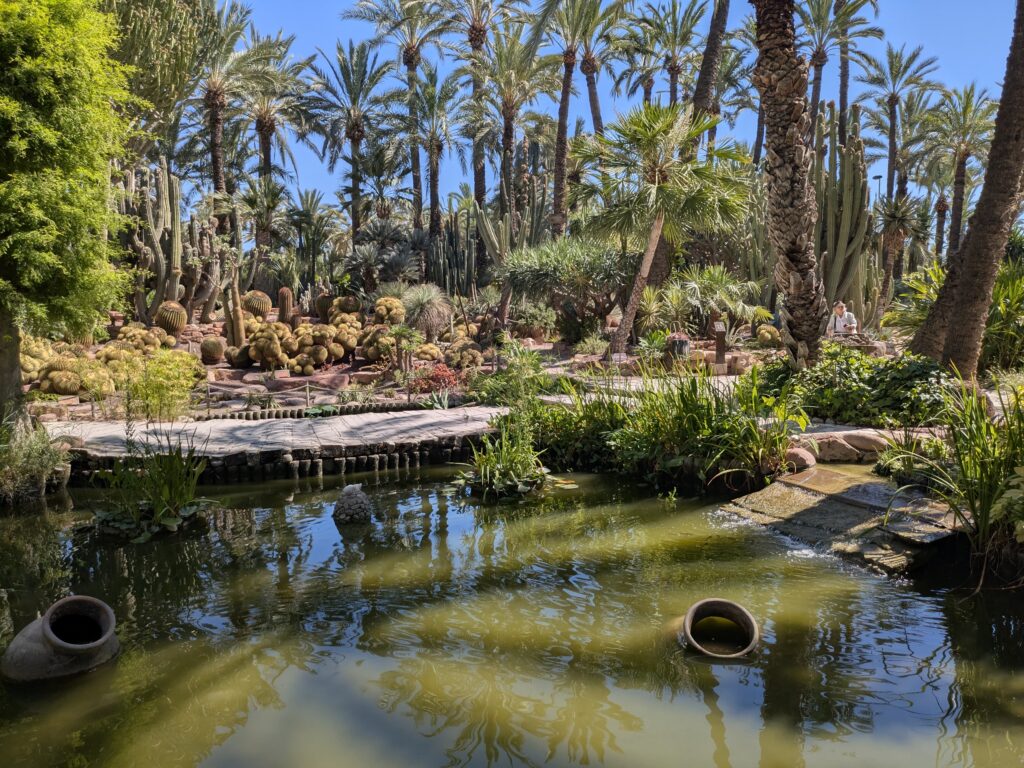
We left Javea on a lovely sunny morning, and made our way to the Huerto del Cura, a private, historic garden, declared a National Artistic Garden in 1943 as part of the Elche Palm Grove. It is known as the Priest’s Garden, getting its name from Chaplain José Castaño Sánchez who owned and lovingly cared for the land until 1918. Locally in Elche, the word huerto refers to a plot of palm trees, and it is a tradition to name these orchards after their owners. Originally rented by his father, Andrés Castaño, the land was later passed down to José. As he cultivated and developed the grounds, locals began referring to it as the “capellán Castaño” and eventually the Huerto del Cura (The Priest’s Garden).
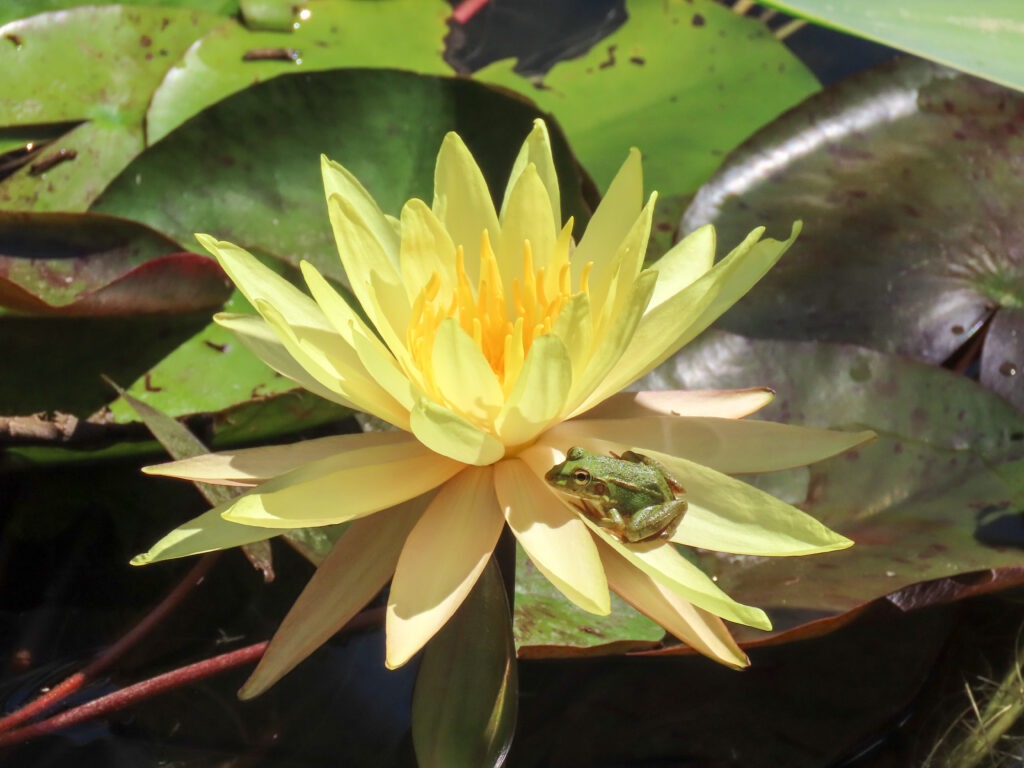
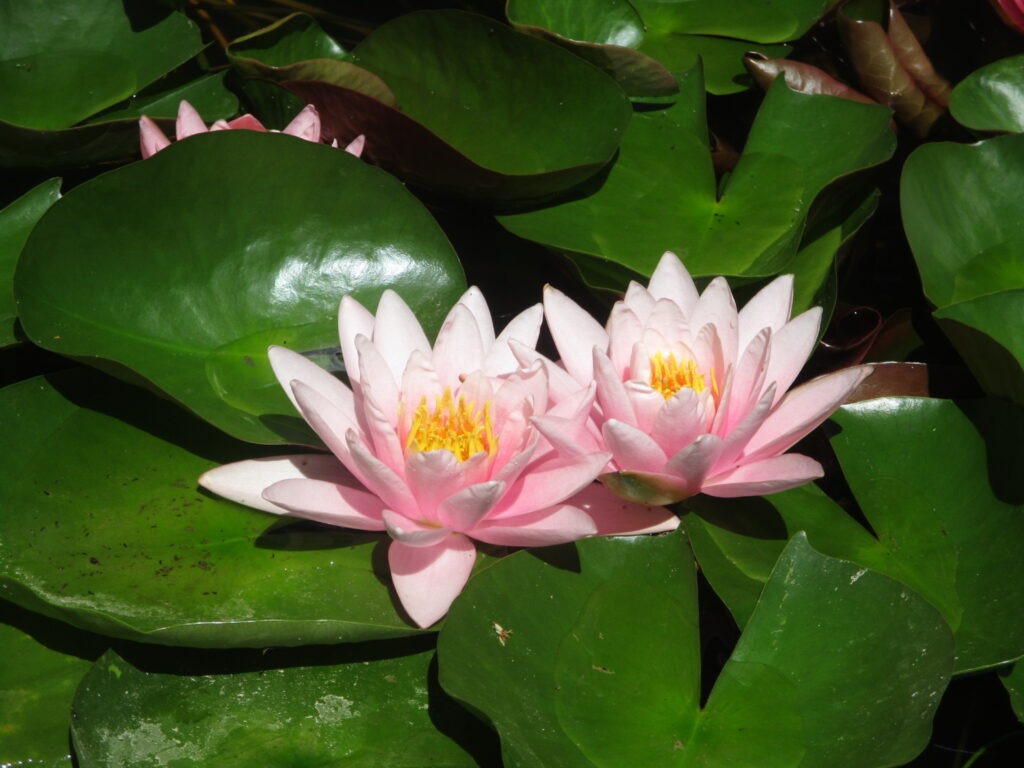
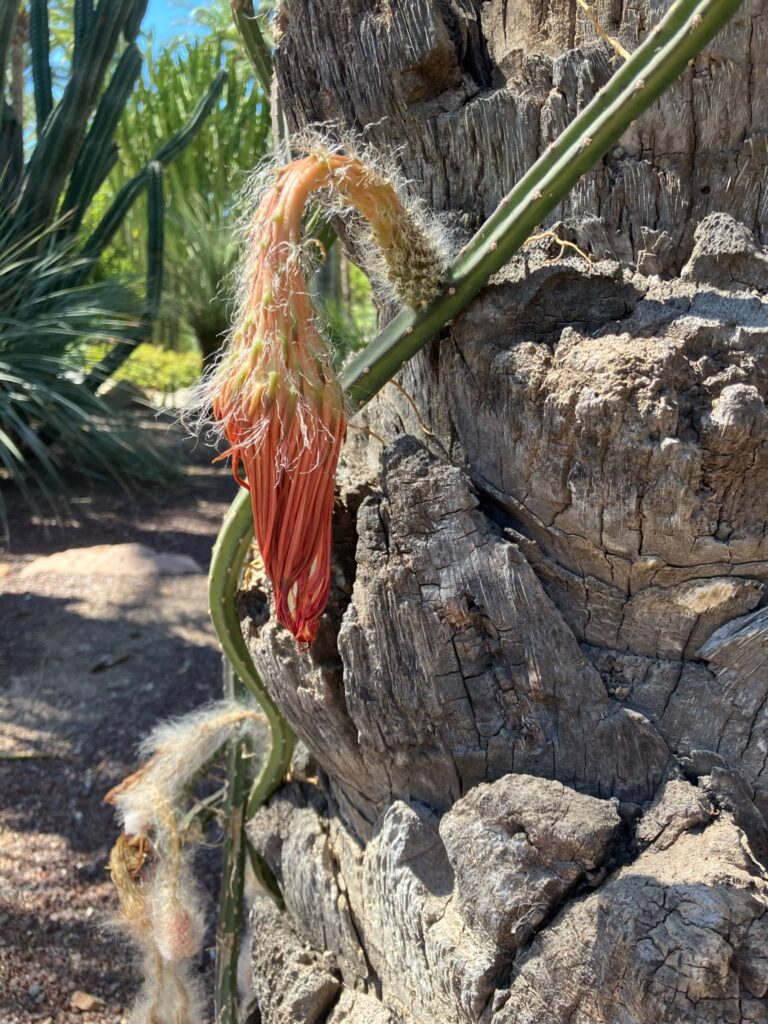
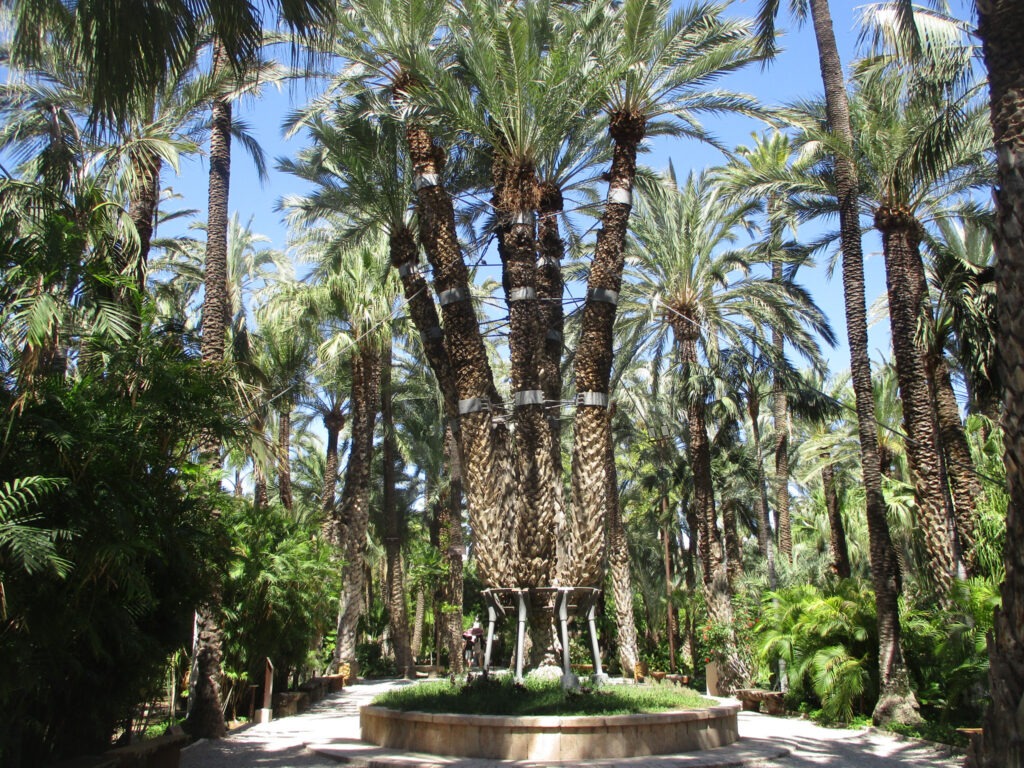
The Chaplain is best known for nurturing the Imperial Palm, a unique 150-year-old date palm with eight symmetrical branches growing out from the main trunk. He named the palm in honour of Empress Elisabeth of Austria, who visited the garden in 1894.
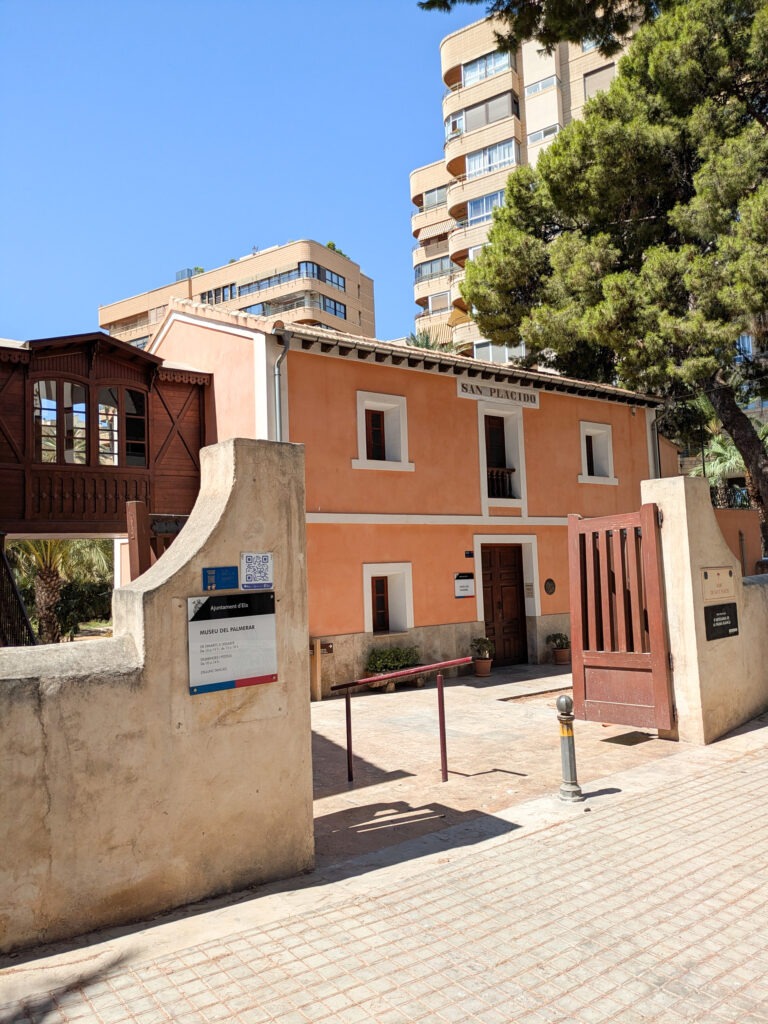
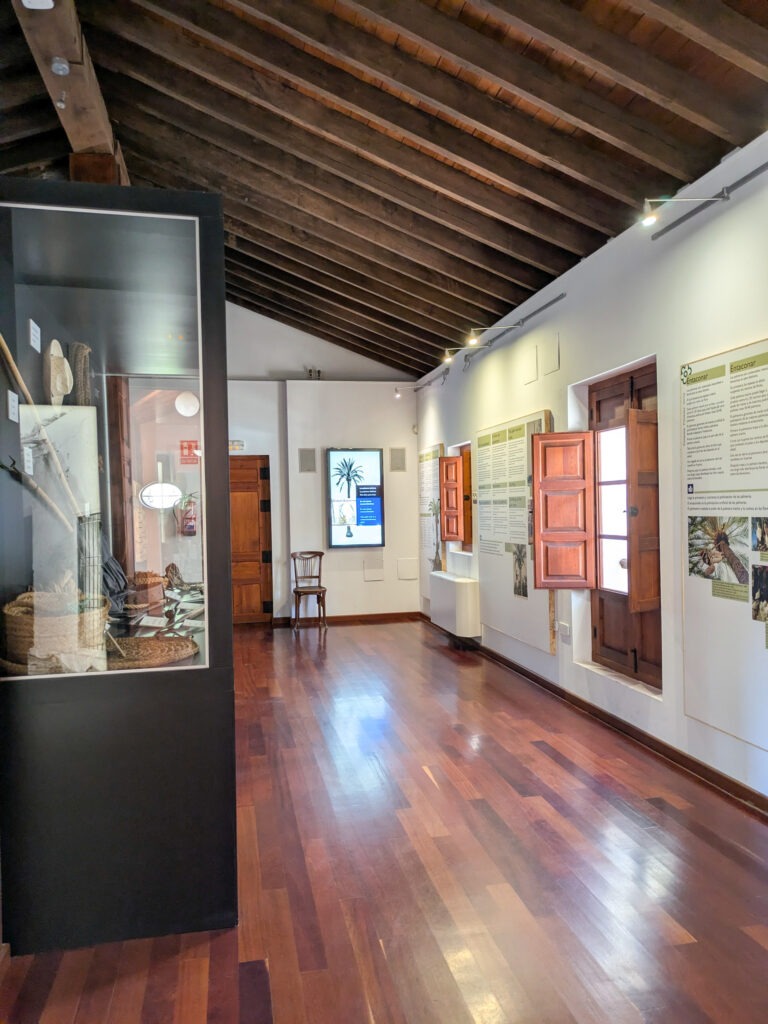
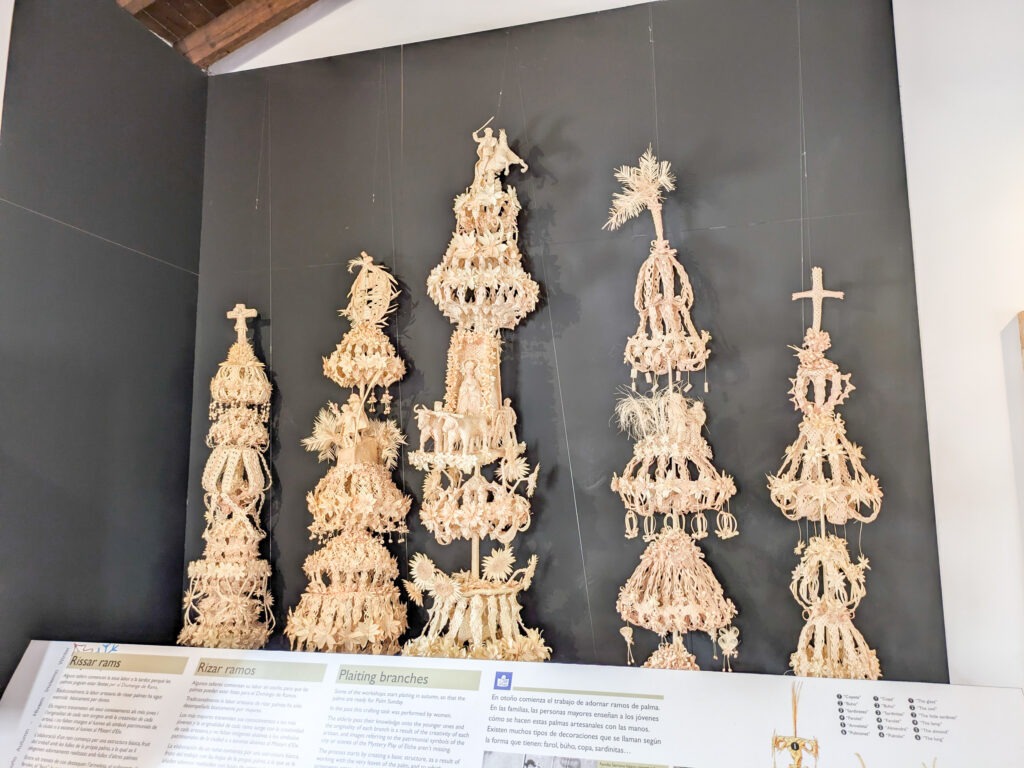
After seeing the garden, it was just a short walk to visit the Museo del Palmeral.
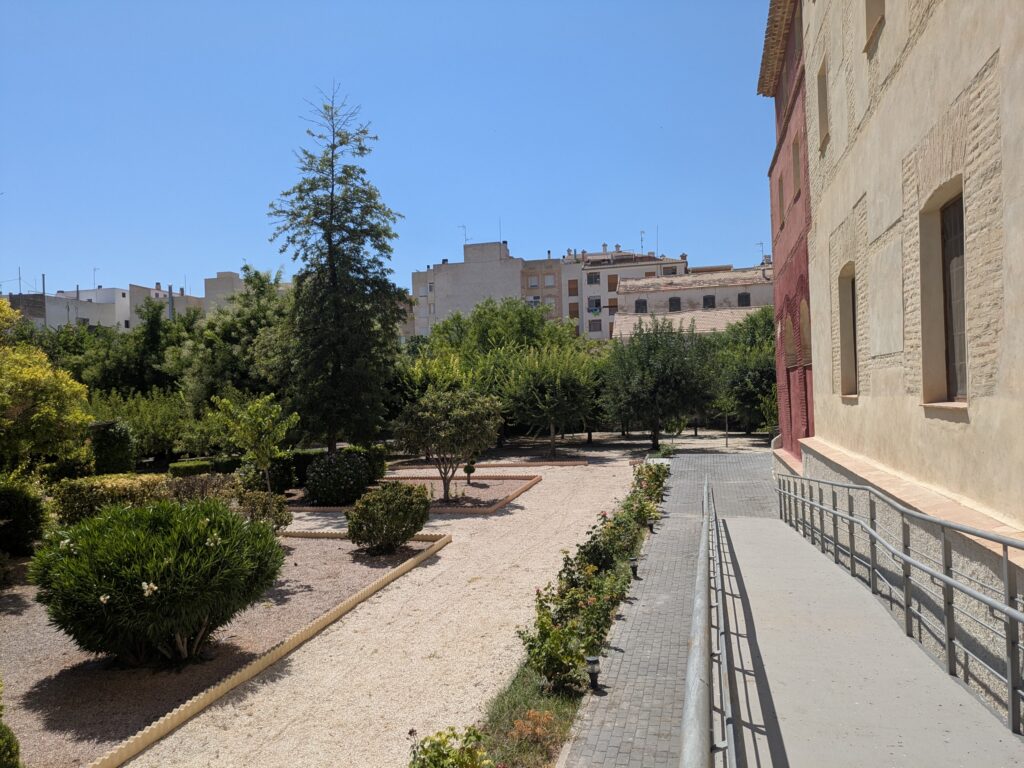
There was time for refreshments before reboarding our coach for the journey to Caravaca de la Cruz, for our overnight stay with breakfast at La Hospedería Nuestra Señora del Carmen. The Hospederia is a highly-rated 3-star hotel located inside an historic 16th-century monastery, and it is widely praised for its peaceful atmosphere, beautiful gardens, and historic charm. Exactly how we found it!
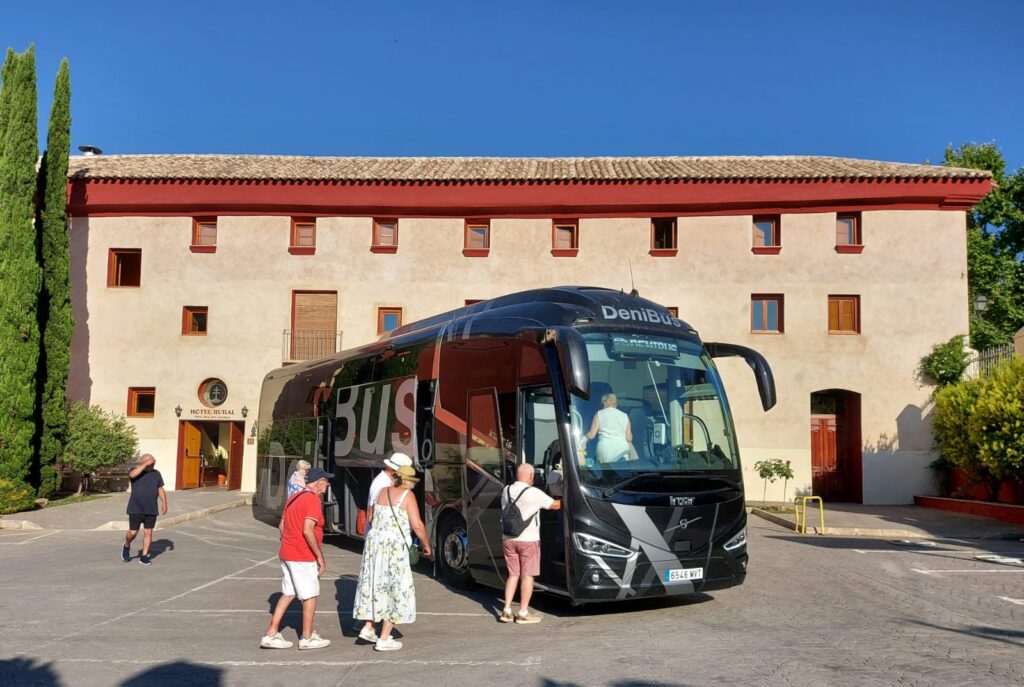
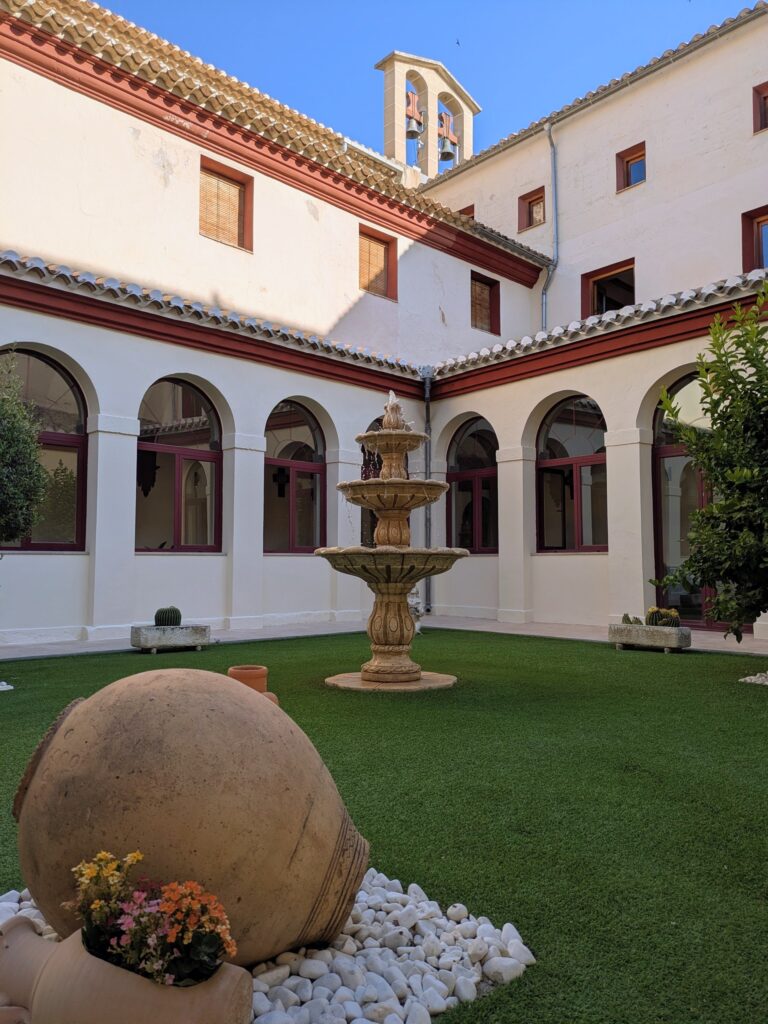
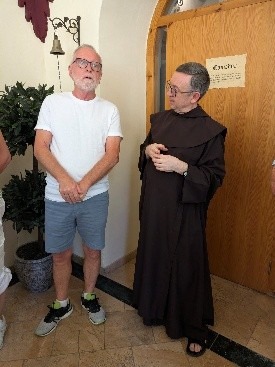
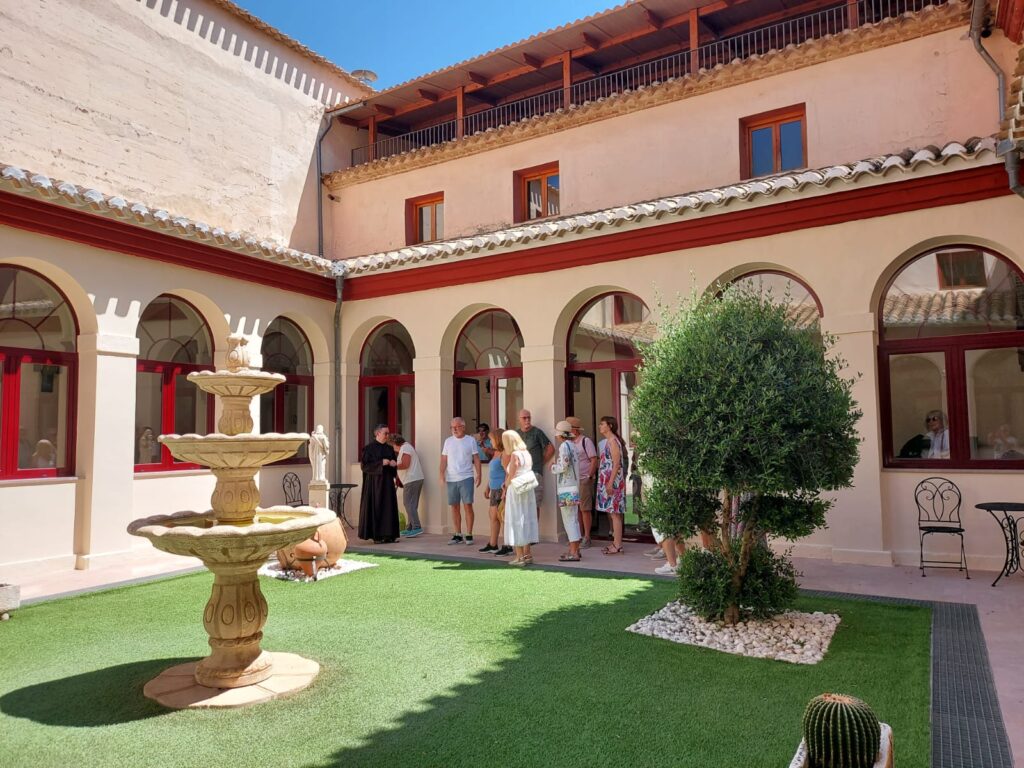
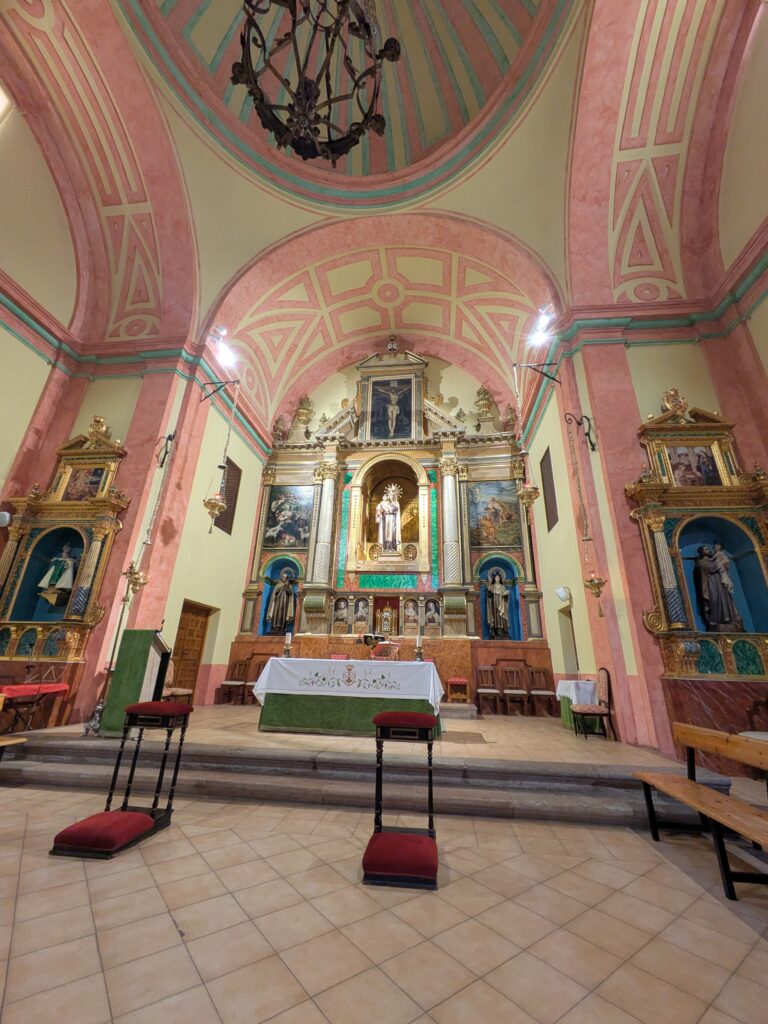
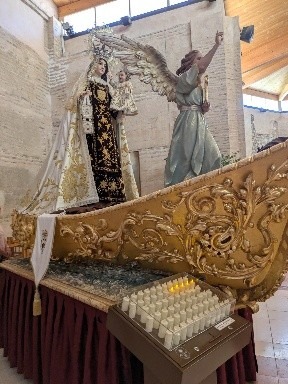
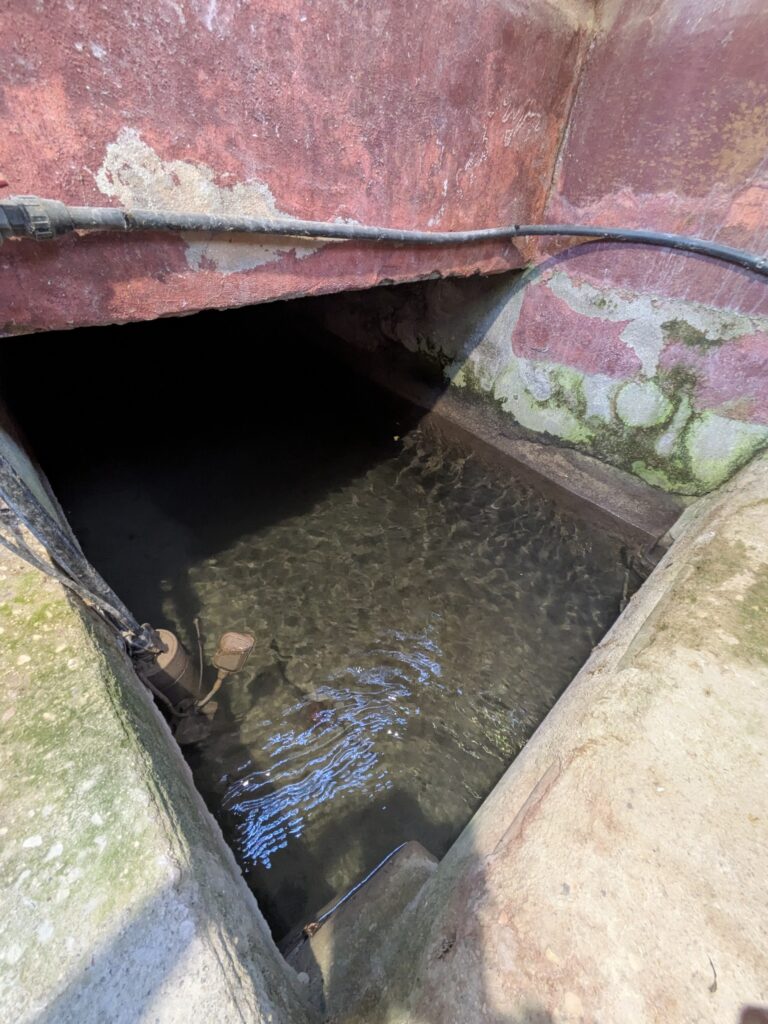
Father Juan Antonio kindly gave us a short tour of the monastery and church (in Spanish, but Alfred & Catherine assisted with translation) and showed us how the garden is sustained by an historic network of traditional irrigation channels that flow throughout Caravaca de la Cruz.
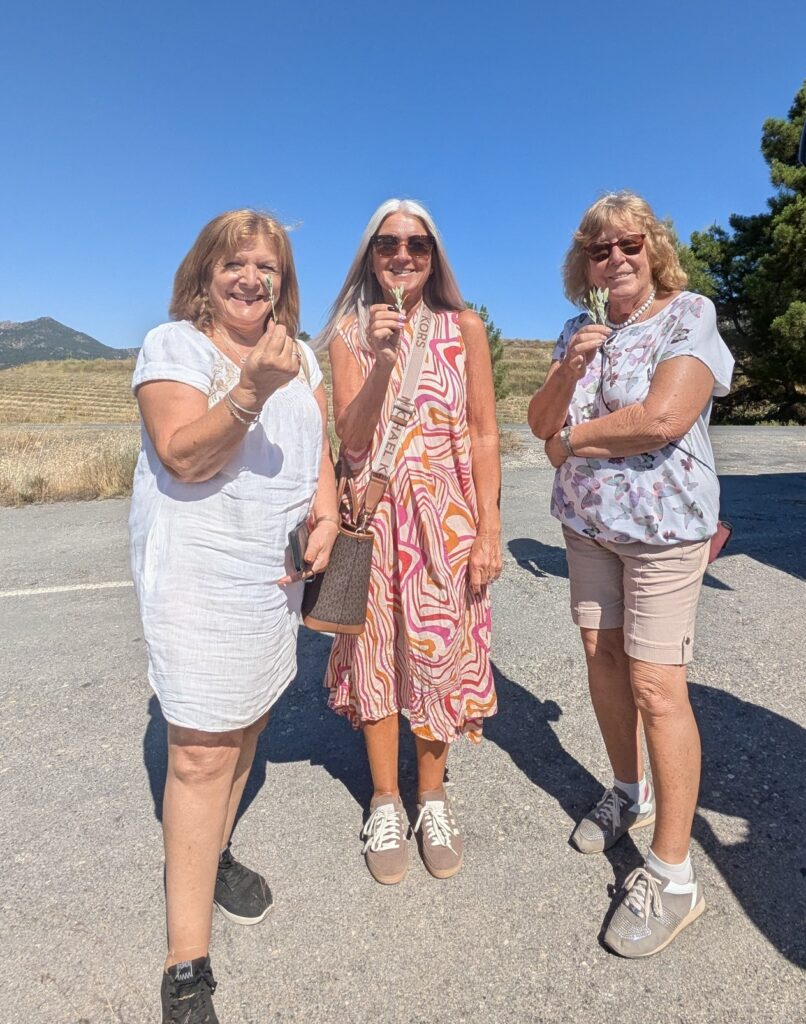
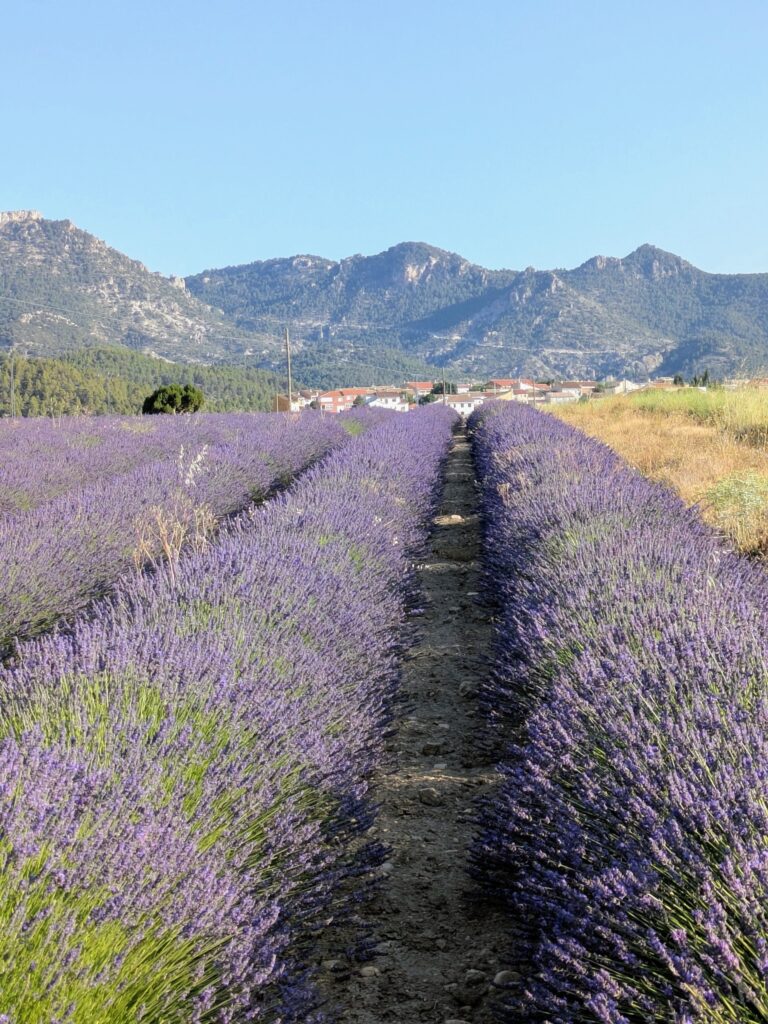
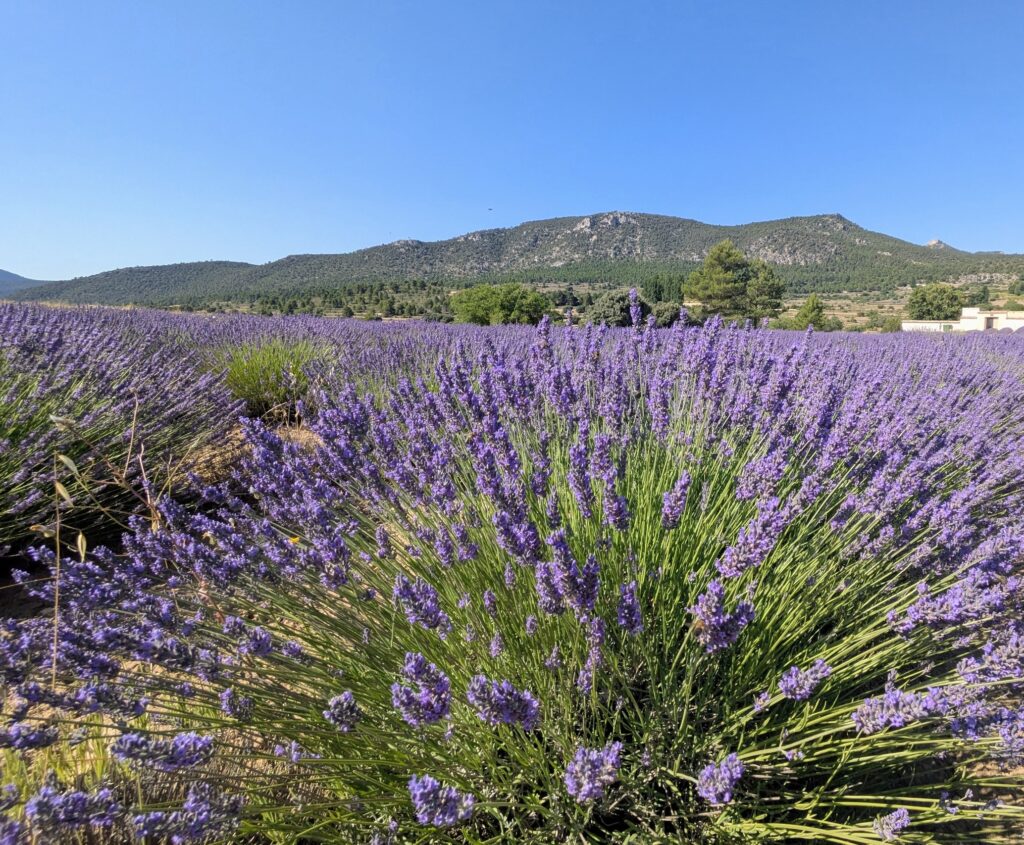
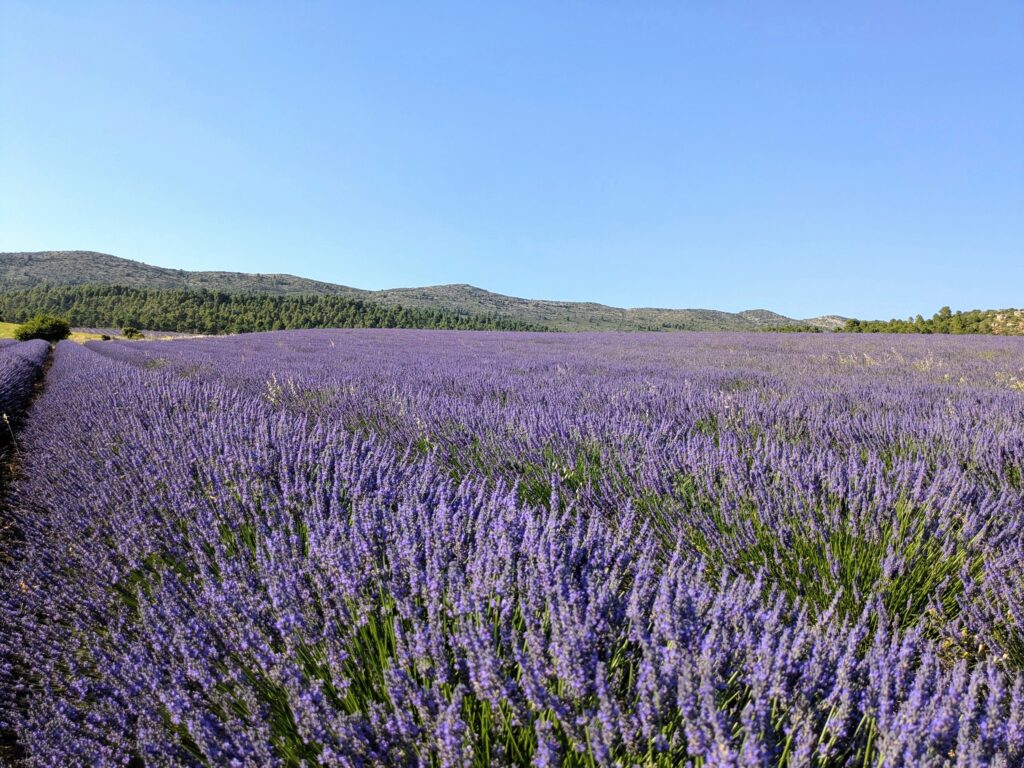
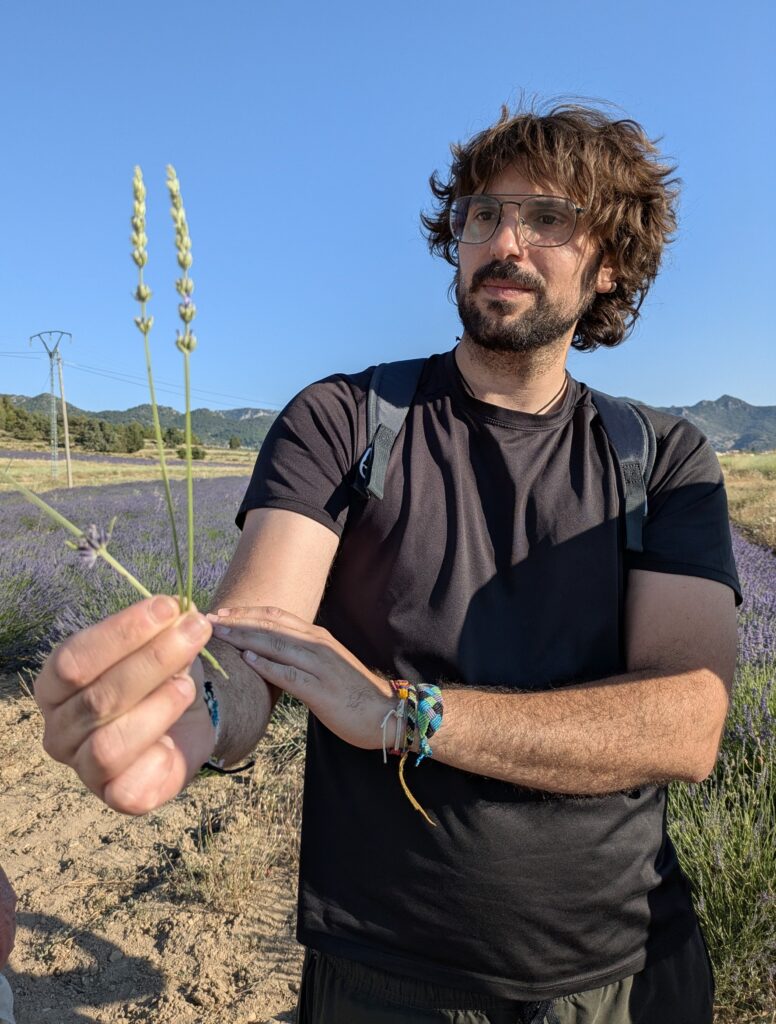
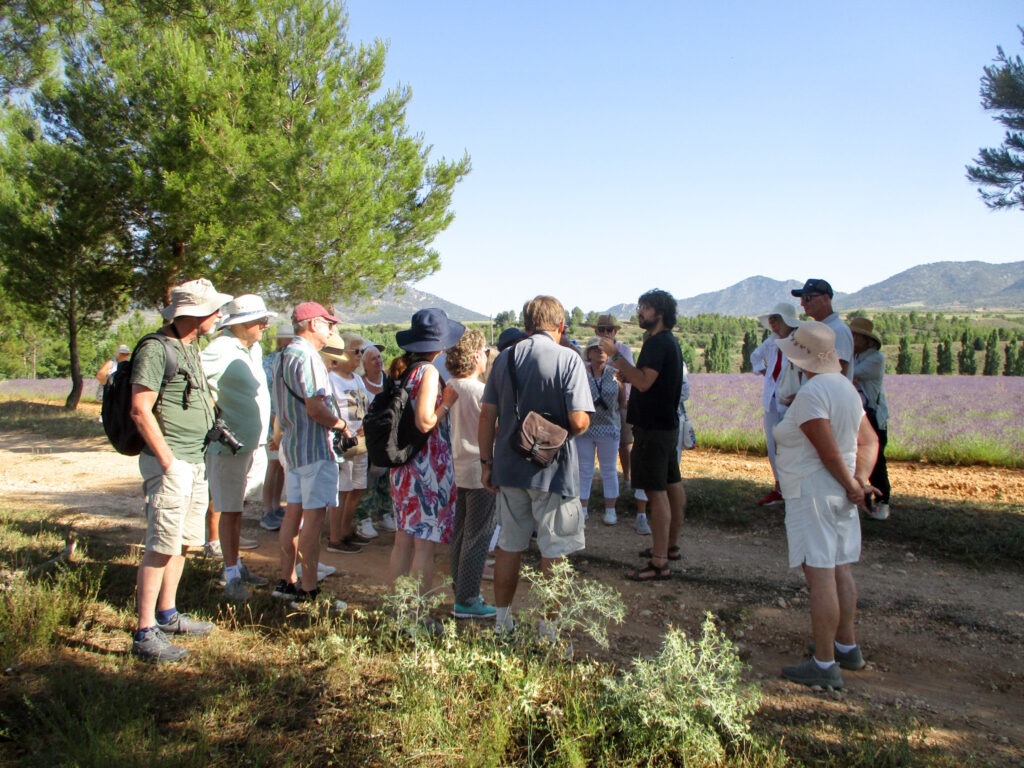
We then departed for our evening lavender tour, meeting our guide Antonio who explained the different types of lavender to us as we walked through the beautiful fields. The 4 main types are English Lavender, French Lavender, Spanish Lavender, and Lavandin hybrids, each featuring distinct flower shapes, climate tolerances, and fragrance profiles. The hybrid lavender, commonly known as Lavandin, is a large, vigorous cross between English and Spike lavender and is the industry favourite for commercial lavender farms, bouquets, and sachet crafts.
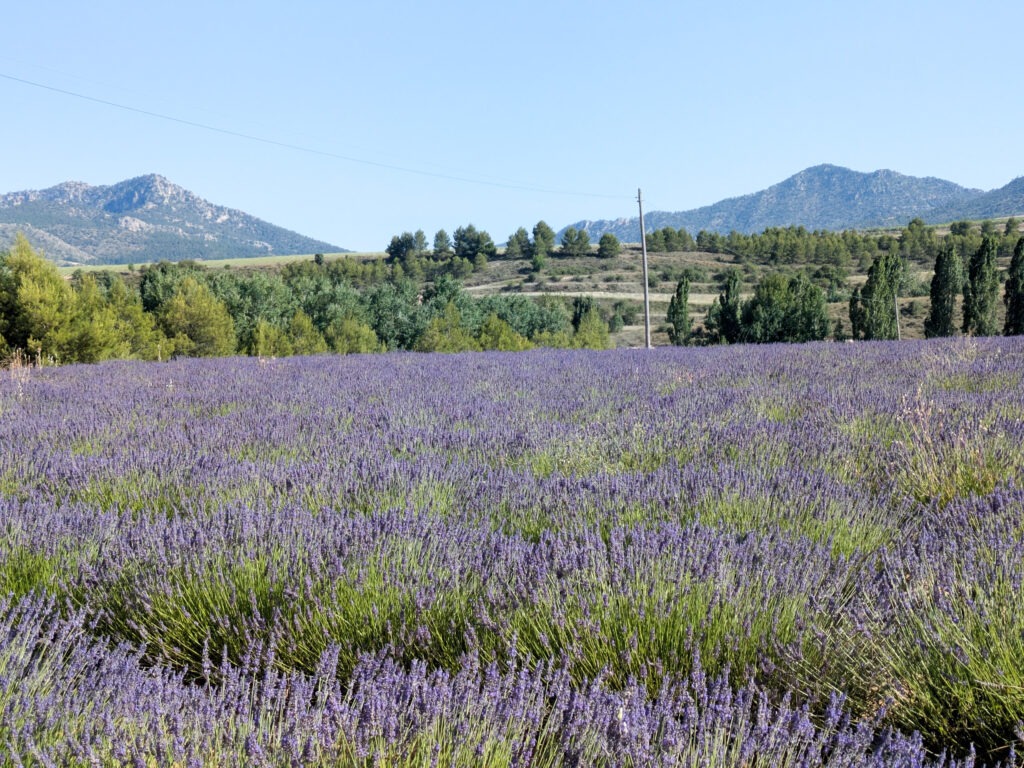
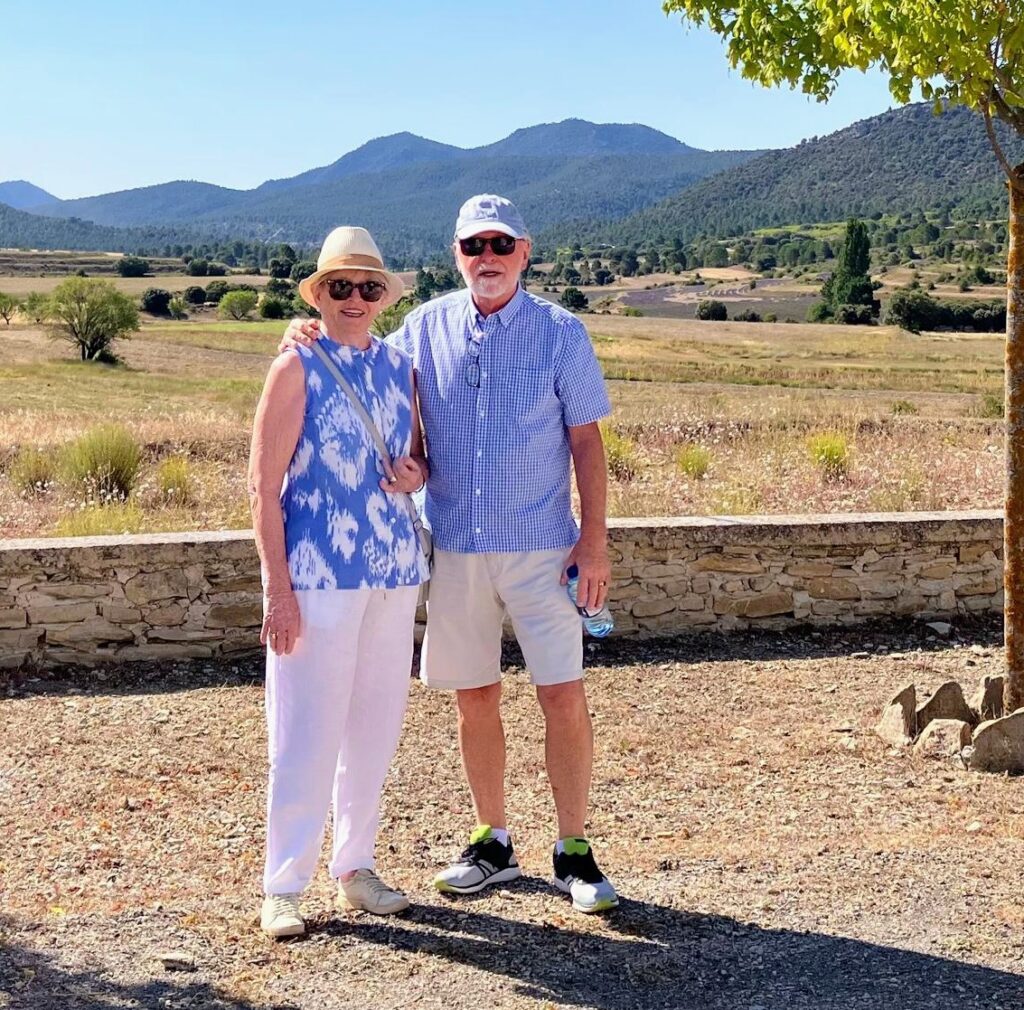
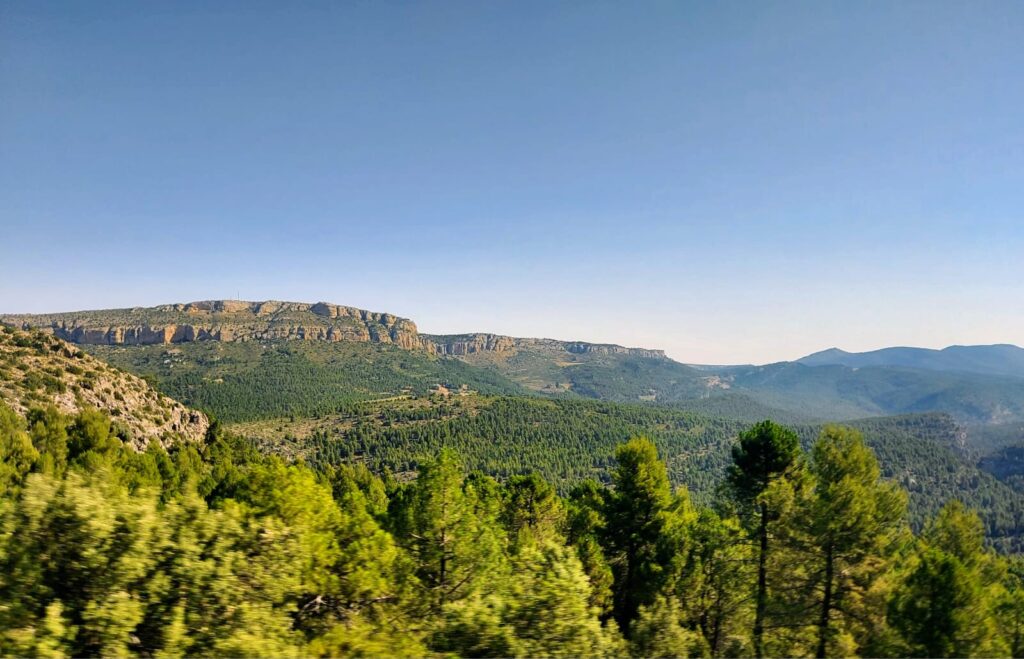
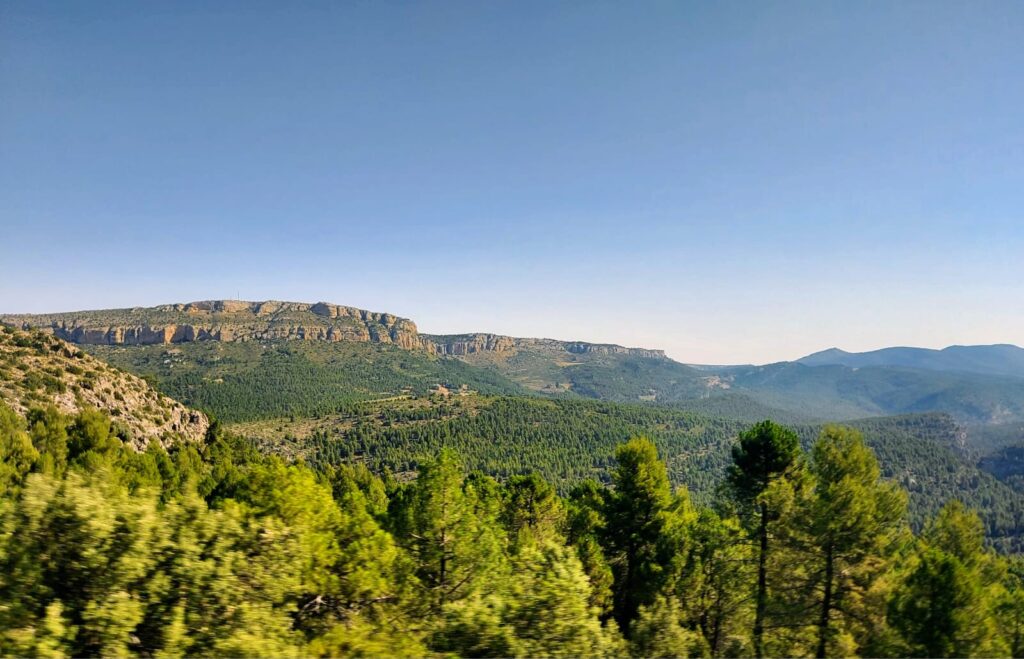
After breakfast the next morning we said goodbye to Father Juan Antonio and his colleague, who had been busily replenishing the very good buffet, and made our way to the farm at Campo de Béjar where we were having our second guided lavender tour. The journey to reach the farm was spectacular, with amazing scenery as we reached an altitude of around 1,100 metres.
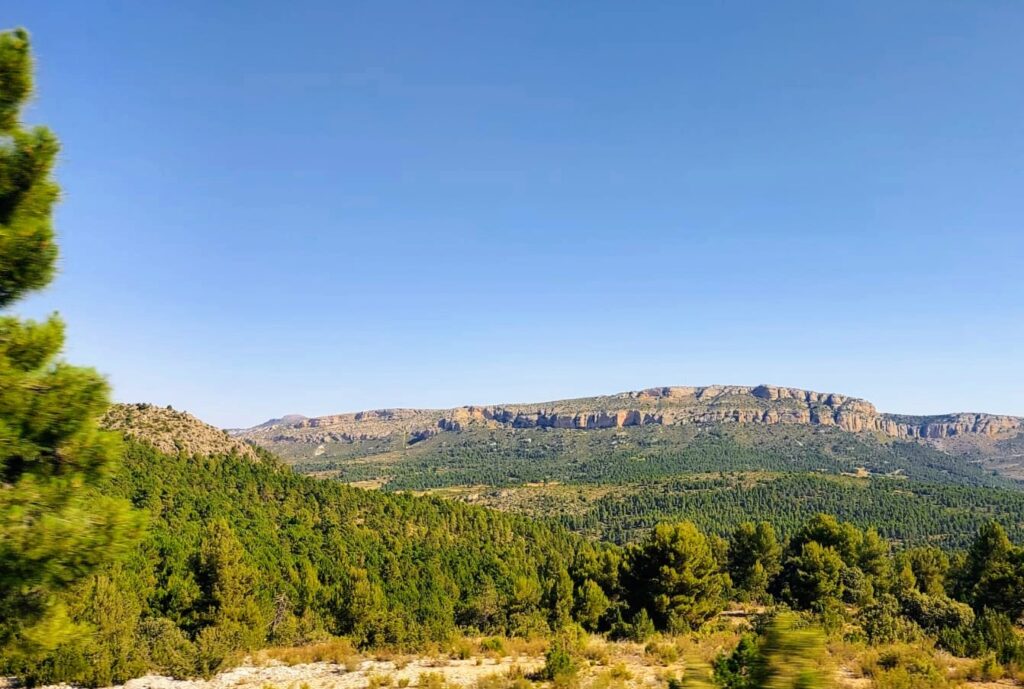
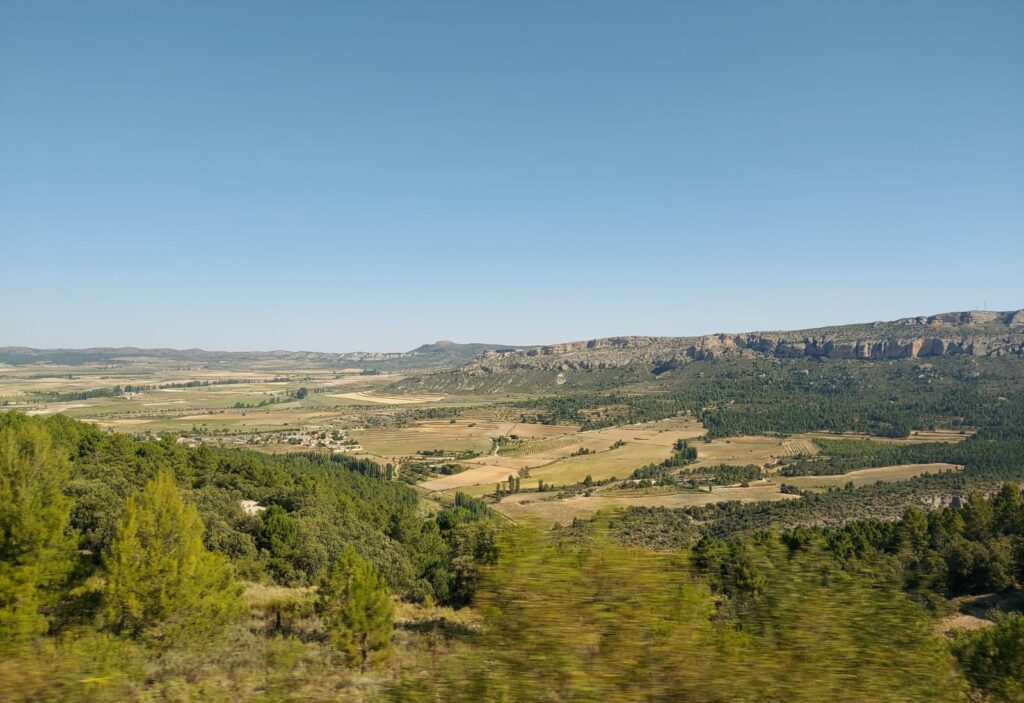
On arrival we were greeted by the very friendly owners, Carmen & Antonio, with their young daughter. Carmen explained the different types of lavender and other aromatic plants which they grow and told us about how they had developed their company by building a distillery so that they could make their own lavender oil and other products. We soon learned that they were a very entrepreneurial couple, with plans to create a Cooperativa with other lavender farms in the area. The smell of lavender prevailed in the air, along with the buzzing of hundreds of bees.
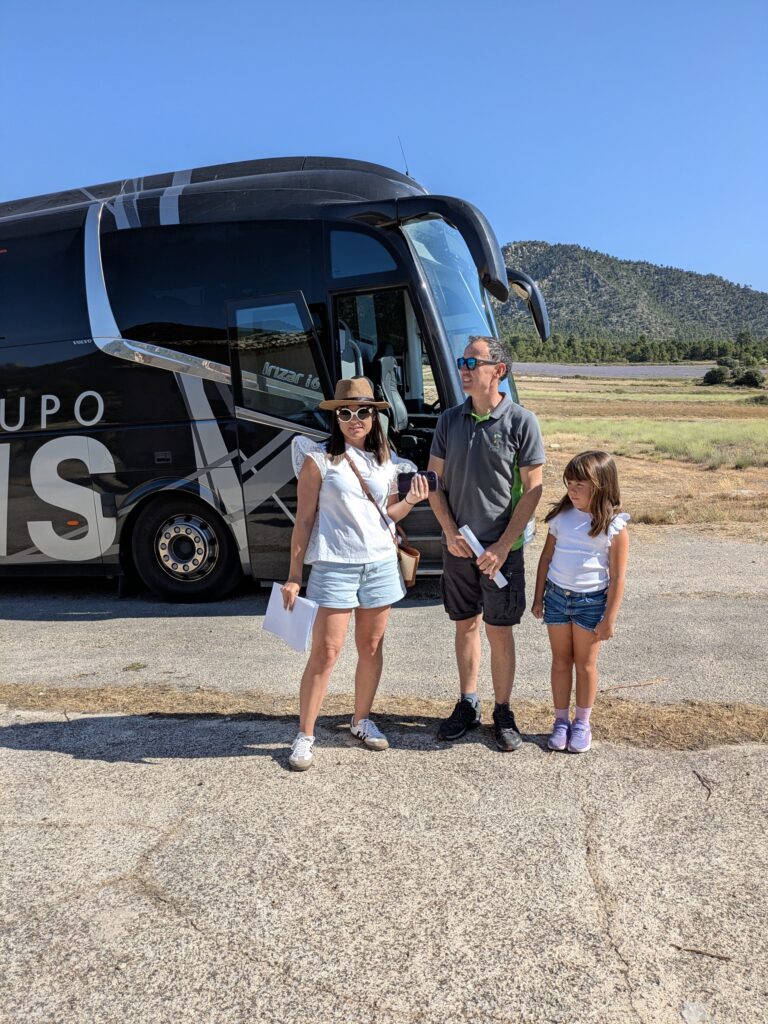
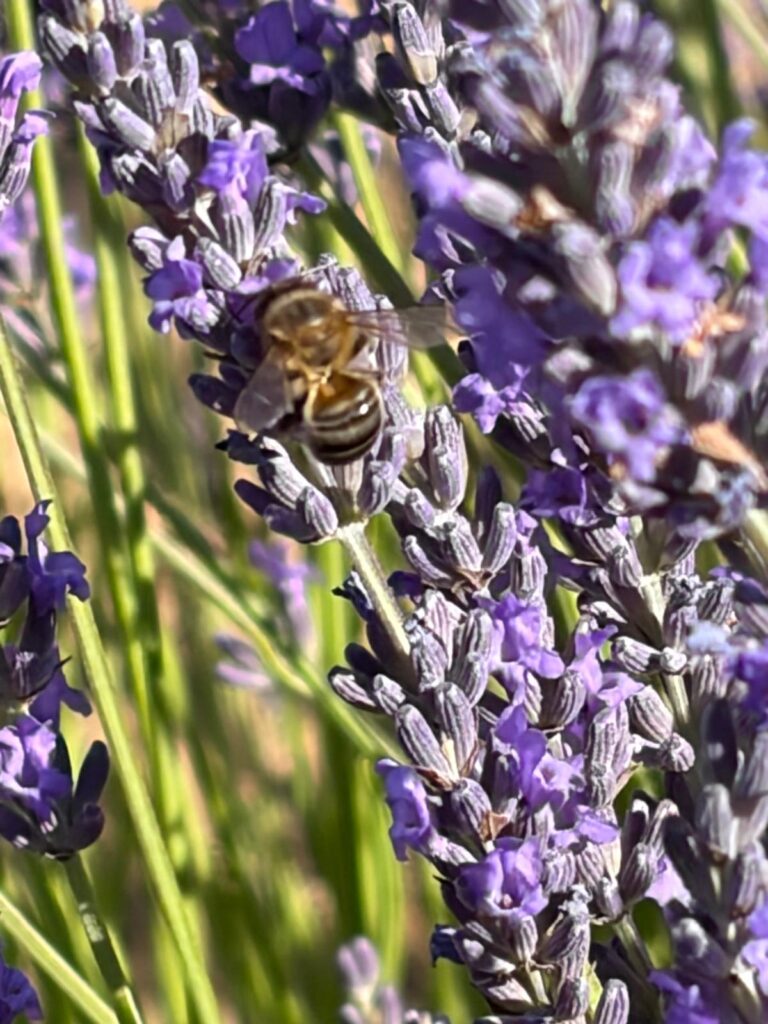
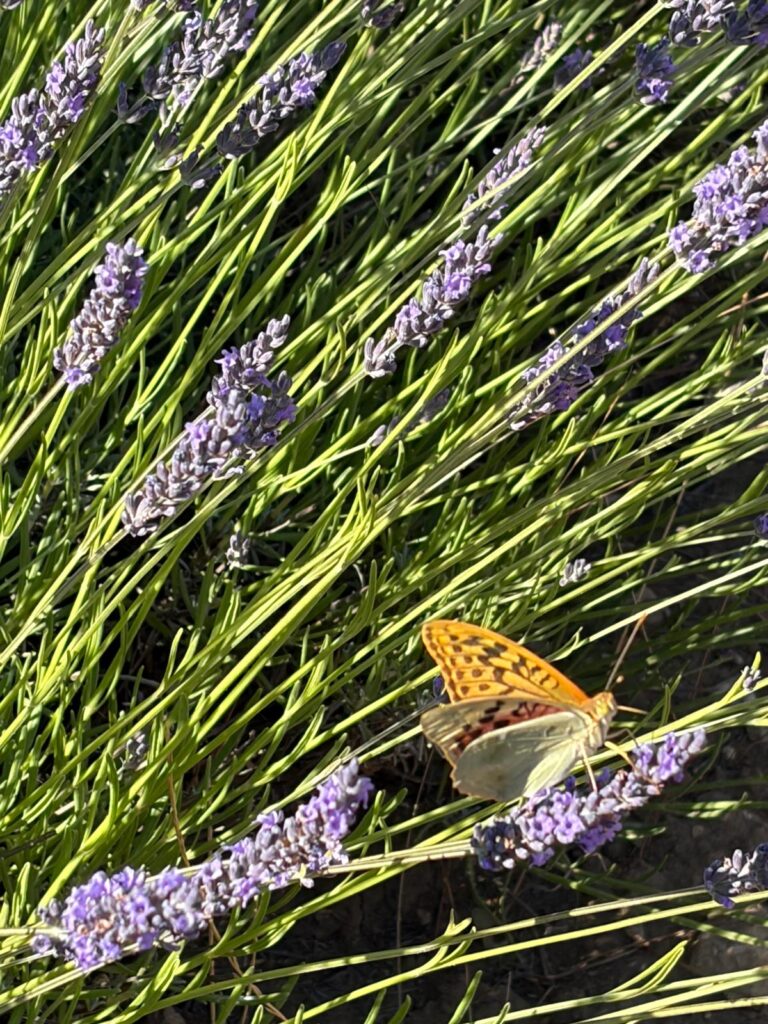
We were then free to walk amongst the lavender and take photos in this beautiful setting, and also in their nearby fields of aromatic herbs.
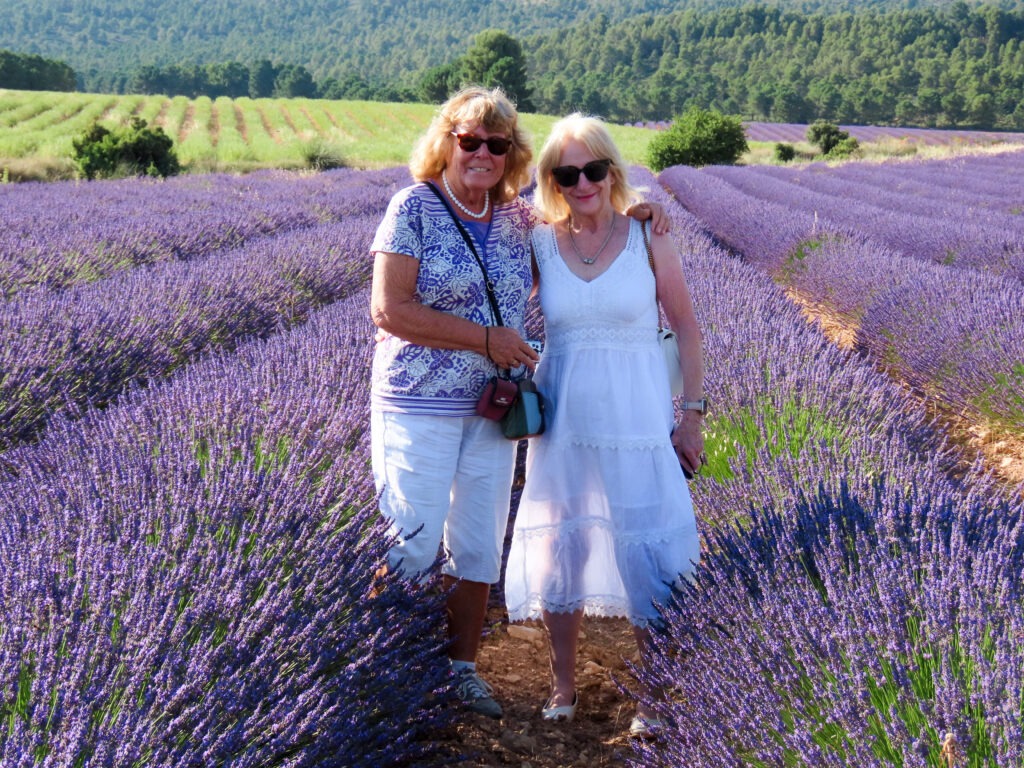
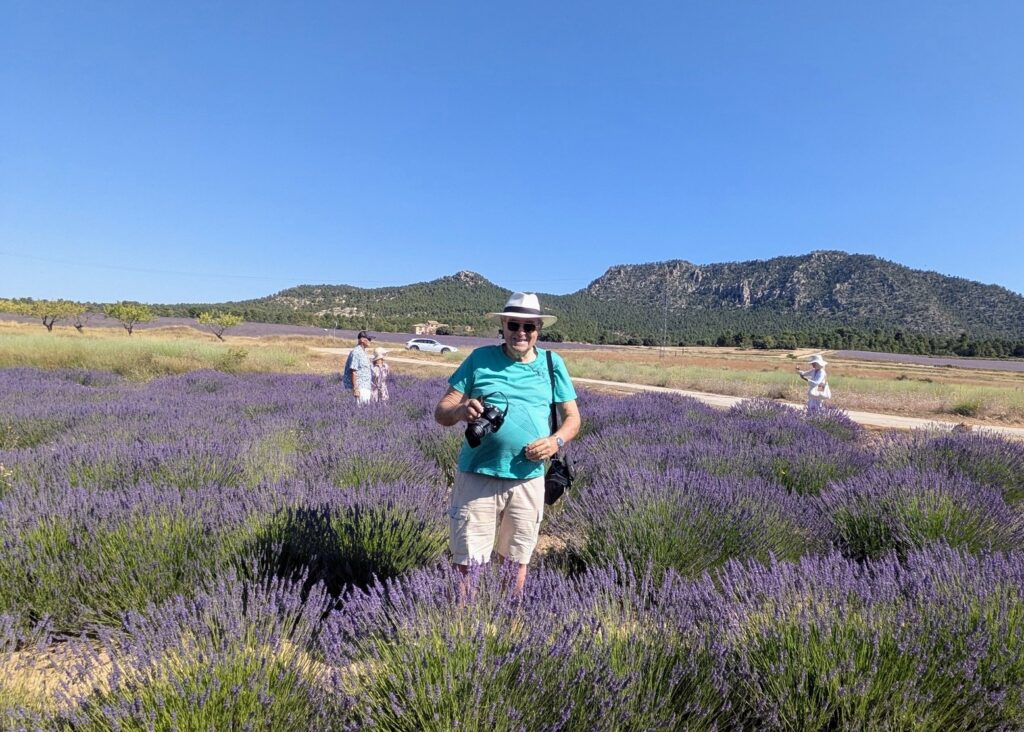
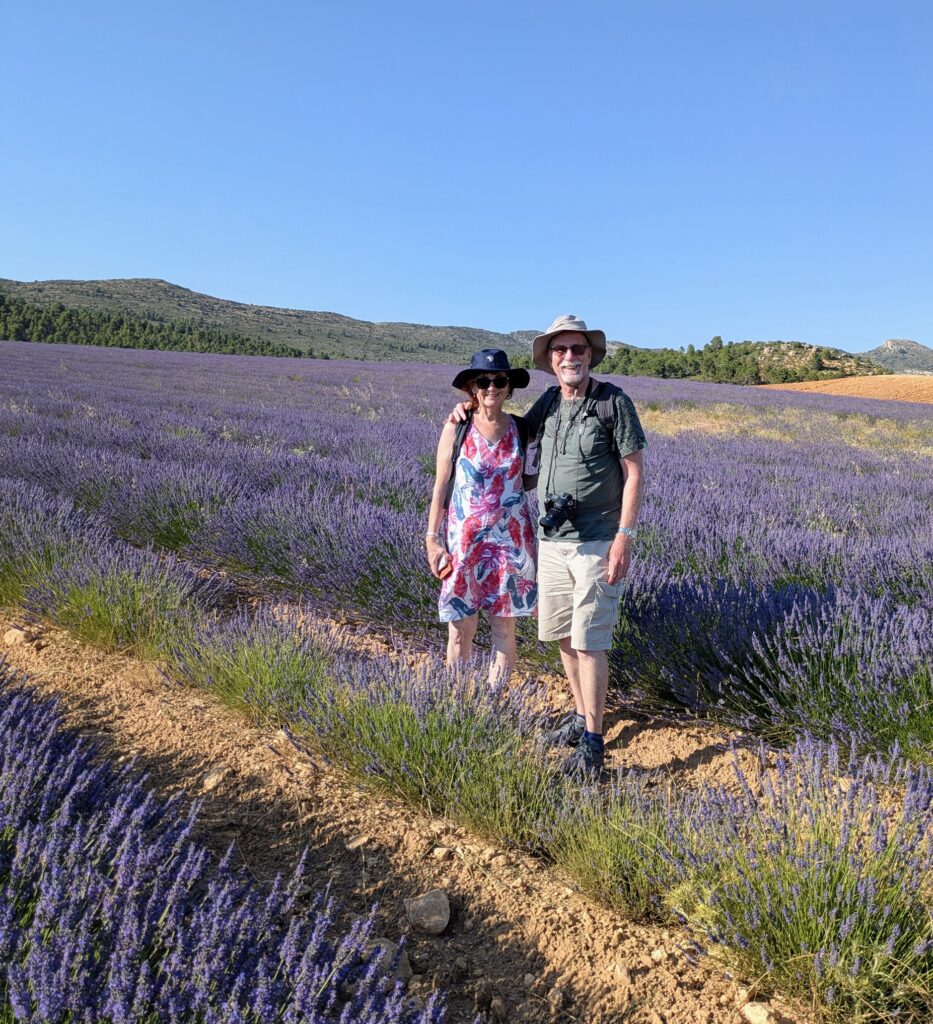
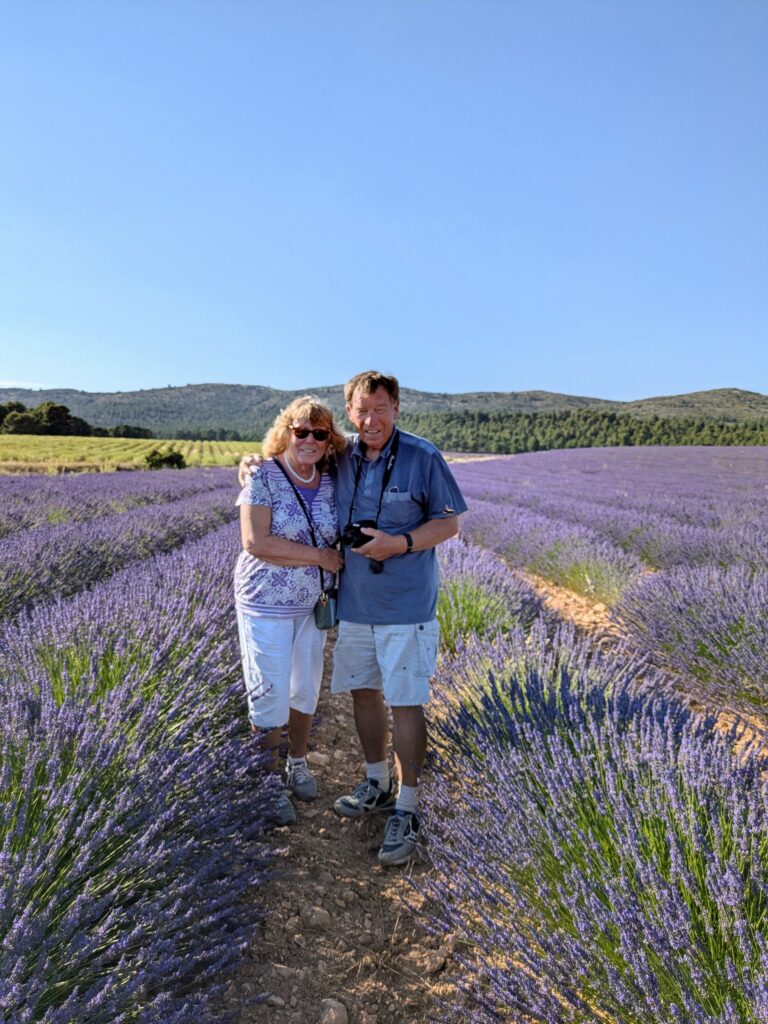
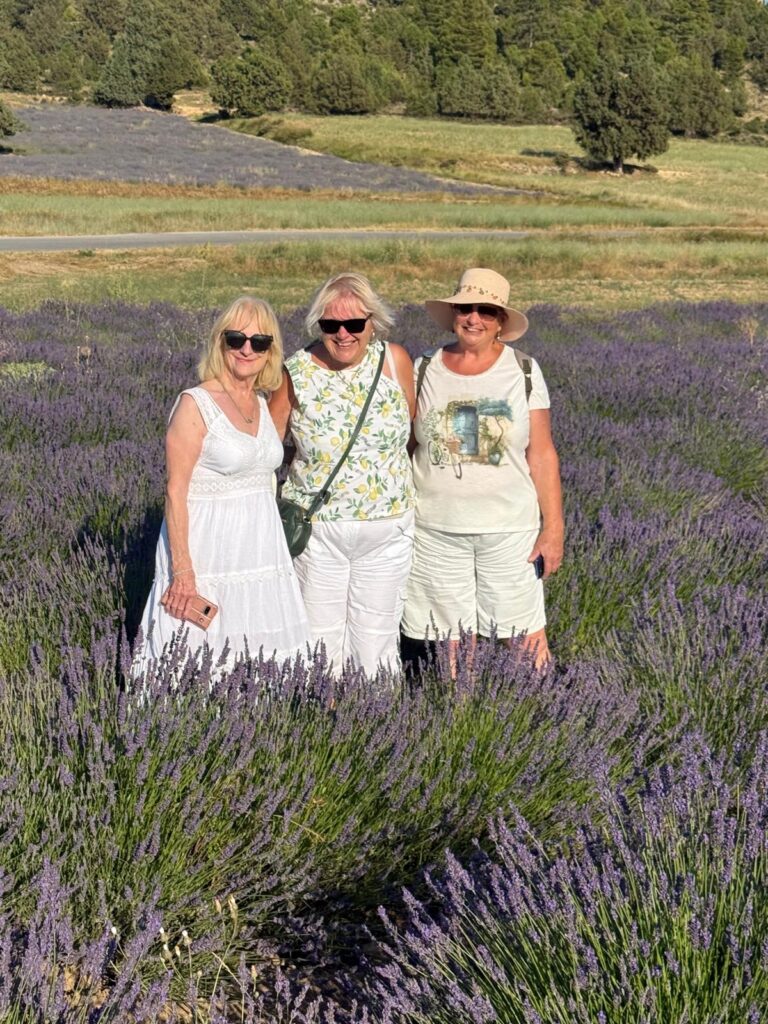
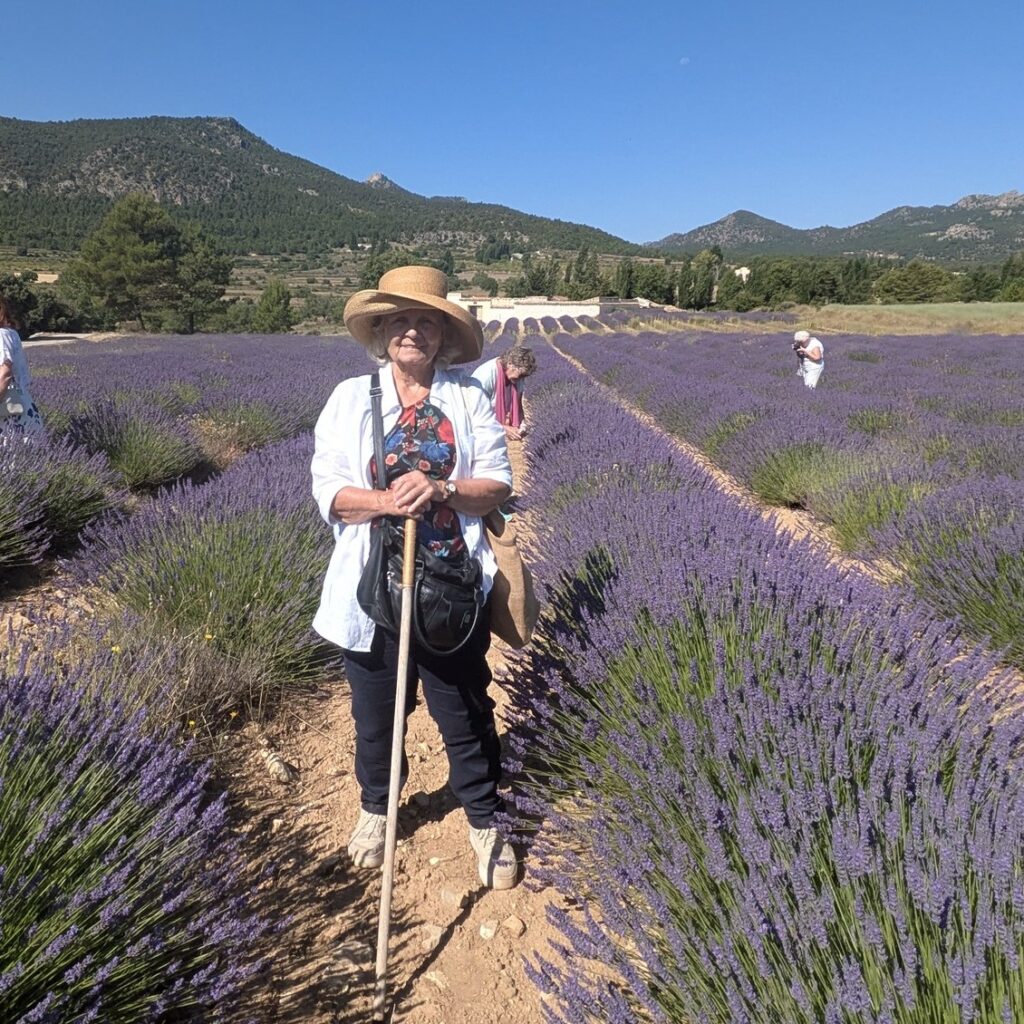
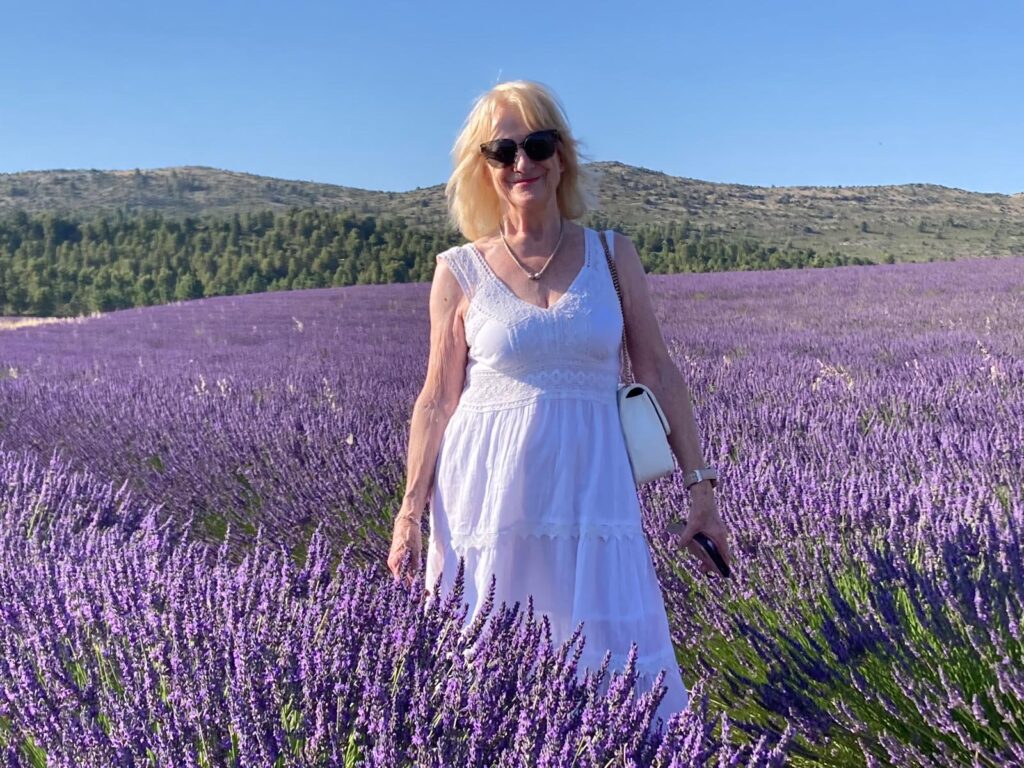
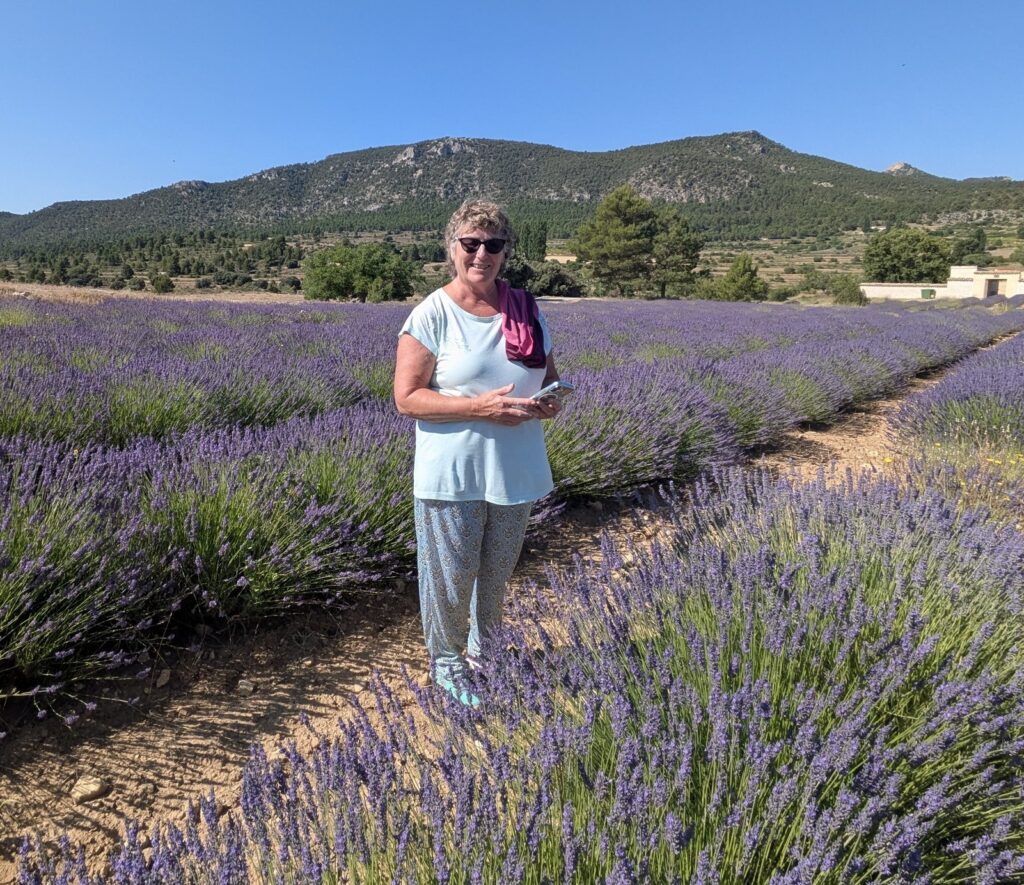
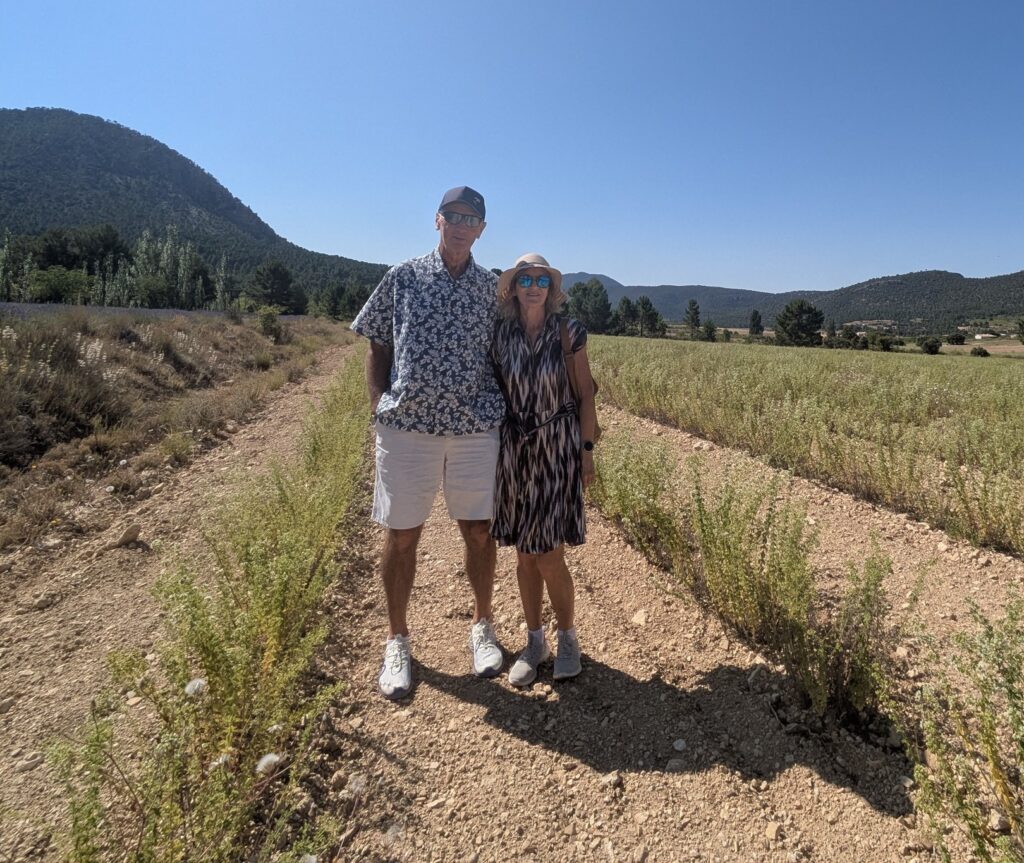
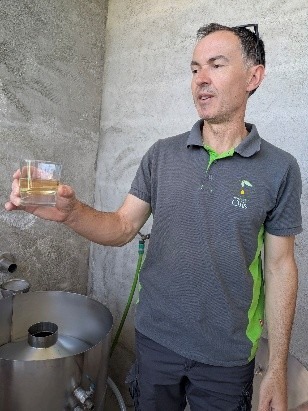
After time in the fields, we moved on to the distillery where Carmen and Antonio explained the process of steam distillation for extracting the lavender oil. Followed by time to buy some lavender products and honey in their little shop.
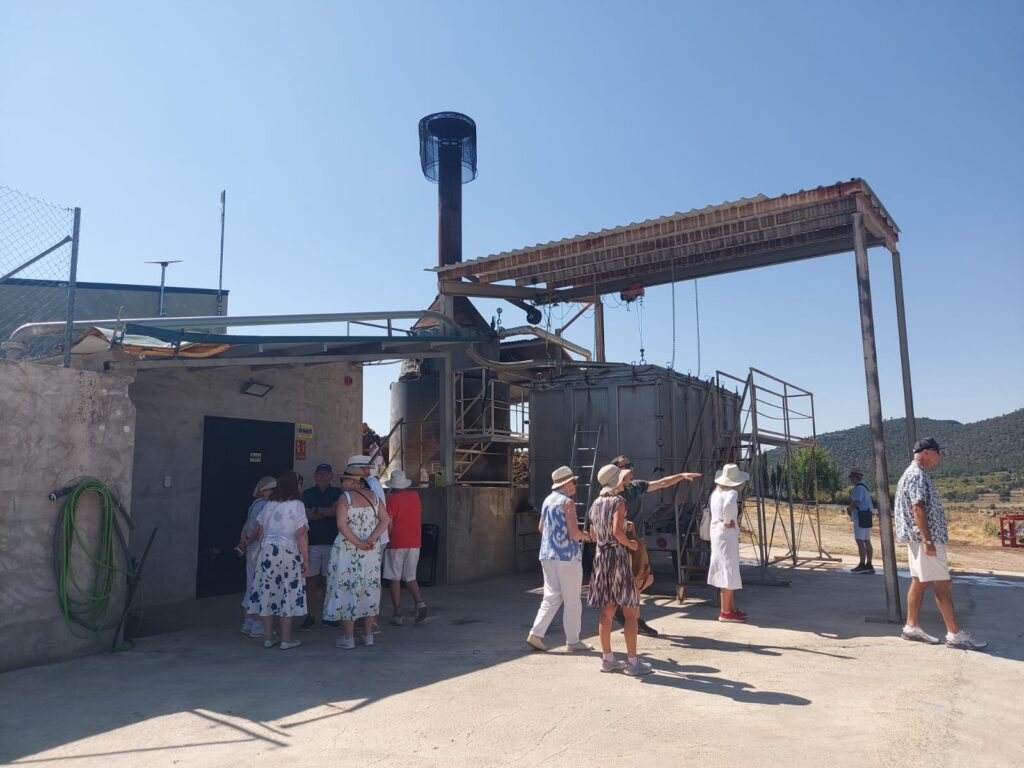
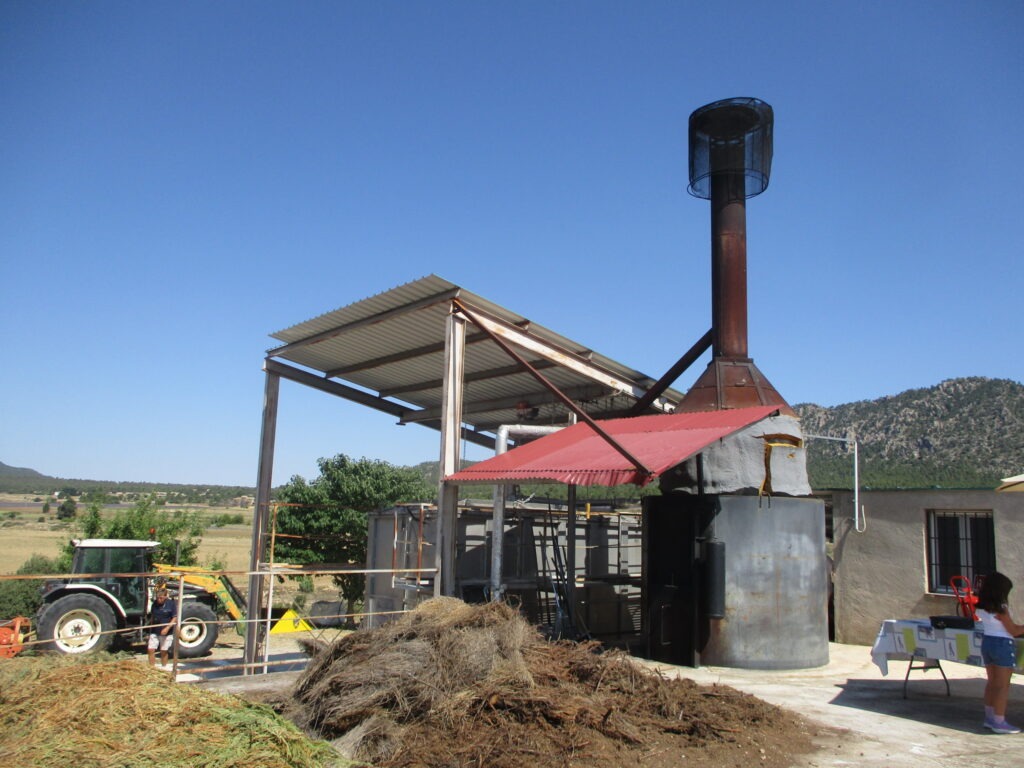
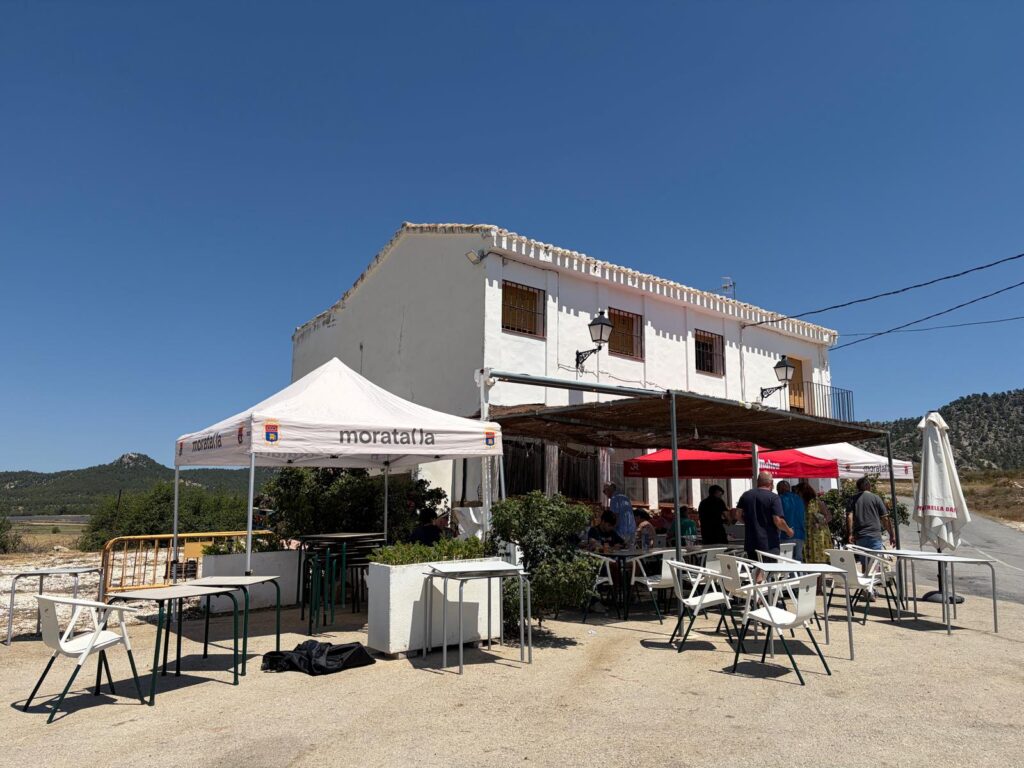
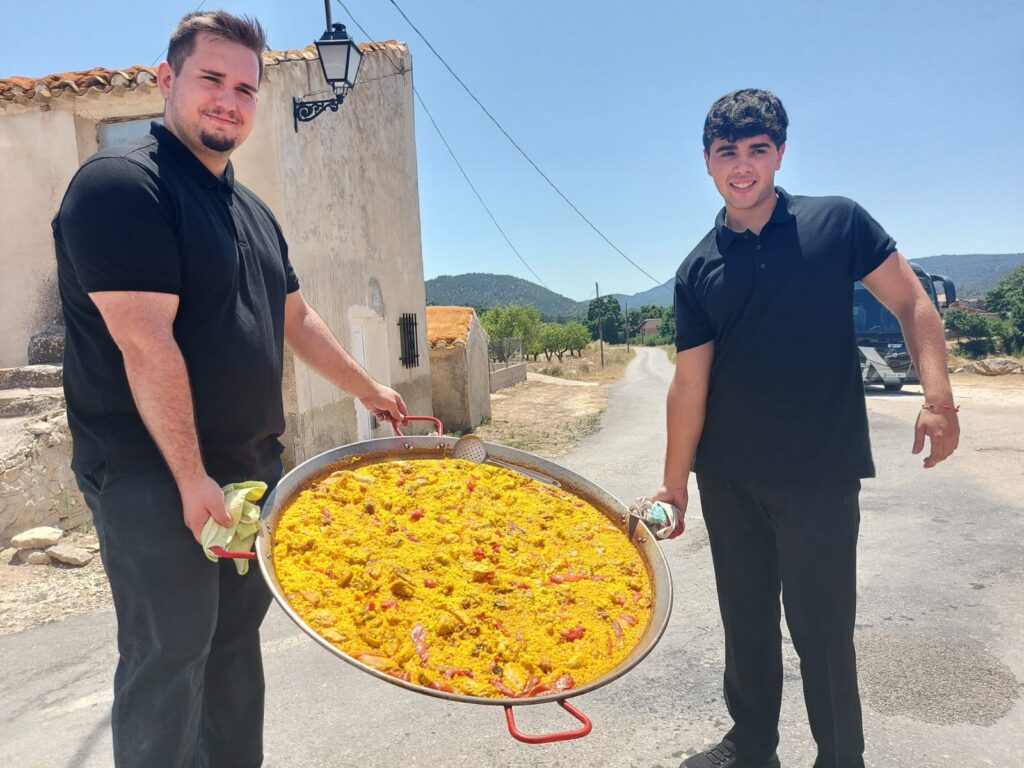
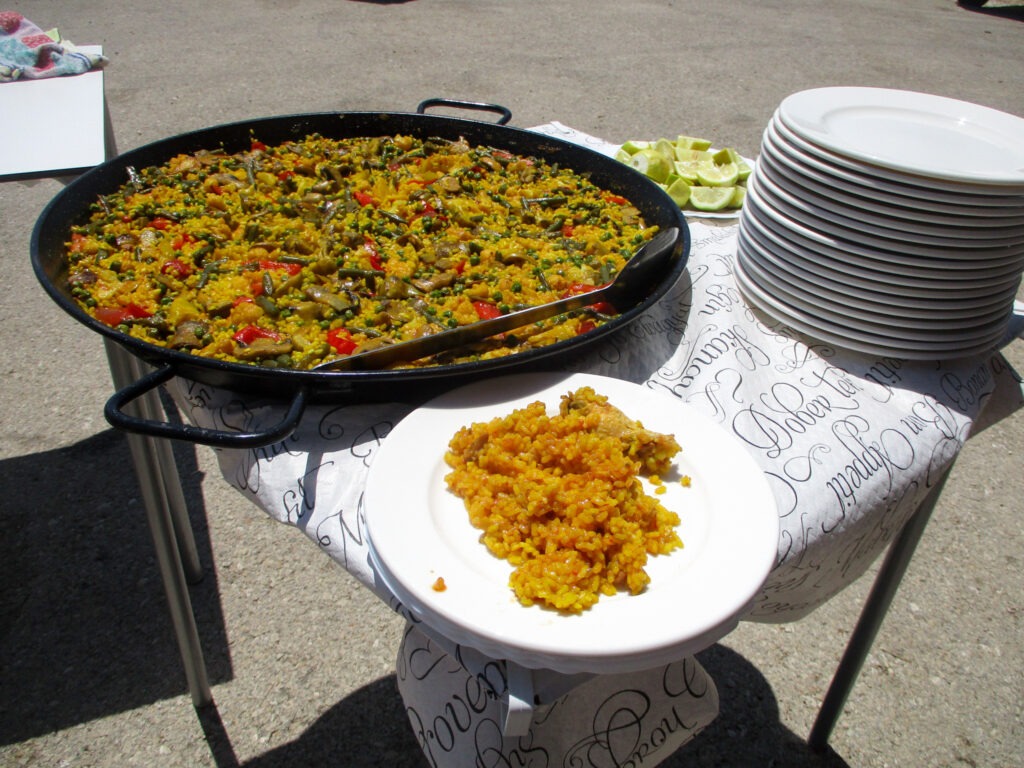
It was a very interesting morning, but we were then ready to go to the restaurant for a cool drink! We sat on the terrace and enjoyed a salad, followed by a choice of chicken or vegetable paella (very good) and a sampling of different desserts.
It was a lovely relaxing weekend and Angela thanked everyone for making it such an enjoyable tour. Thank you also to our photographers: Rosemary & Peter Breger, Steve Hardiman, Alfred Ireland, Gilly Macnally, Melanie de Melker, Wendy & John Ranger, Angela Chantry.
Report by the group leader, Angela Chantry
spanish.culture.cuisine@gmail.com