Football against the Nazis: The Death Match of Kyiv 1942, Keith Smith
Casa Cultura, Javea Old Town, 11.00am start
We know there’s been a lot of football this summer but do not fear, this isn’t really a talk about football at all.
Instead, we will explore how sport can carry meanings far beyond the final score—and how, in times of war and dictatorship, it can become a powerful tool of propaganda, resistance and myth-making.
This true story takes us back to the summer of 1941, when Nazi Germany launched its devastating invasion of the Soviet Union. Just two years earlier, the two European totalitarian regimes had been allies, collaborating in the destruction of Poland, while the Soviet Union annexed the Baltic states. Now Germany invaded its former partner, and Ukraine became one of the principal battlegrounds of the war.
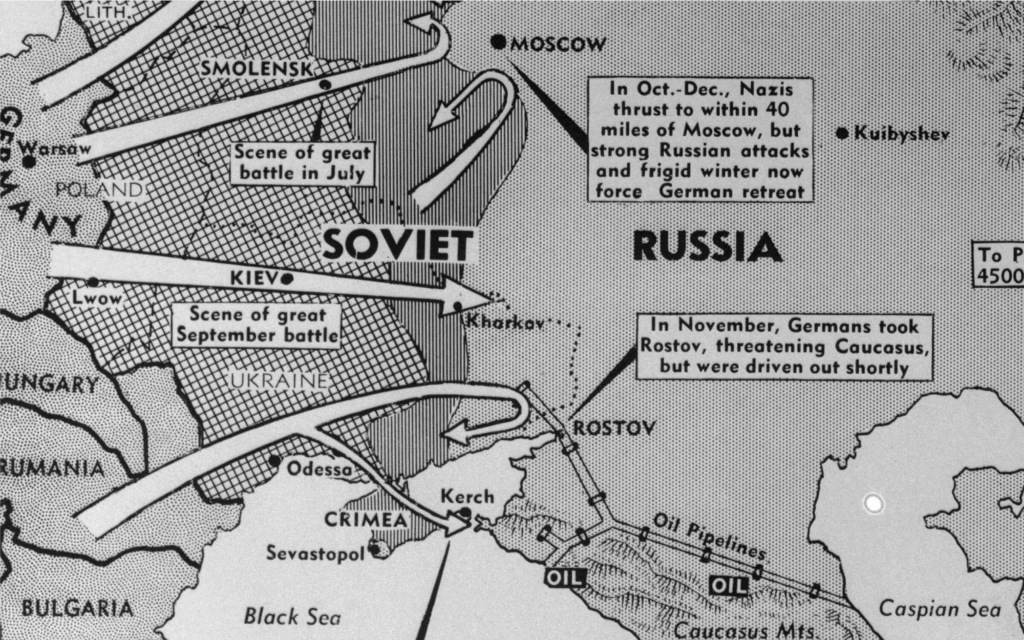
The German occupation brought unimaginable brutality, including mass murder and genocide. Yet, remarkably, football matches were also organised and what happened on the football pitch would later become the basis for one of the most enduring legends of the war, the Death Match of Kyiv.
Along the way, we will look at the complicated identities of the USSR, Russia and Ukraine: where they came from, how their histories became intertwined, and what those identities mean today. What exactly was the Soviet Union? Can we compare it to another union, the United Kingdom, which is also a mix of nations and ethnicities all with their own identity?
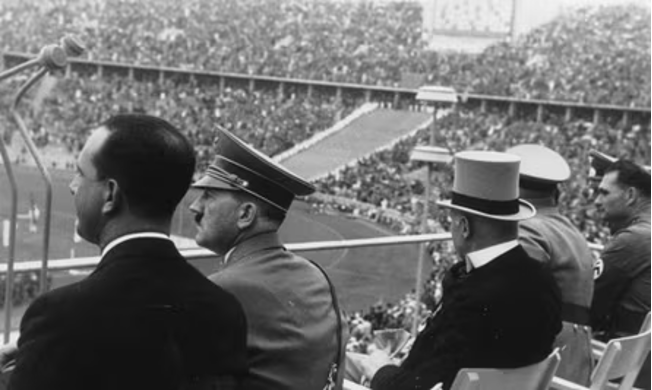
We’ll discover how authoritarian regimes have used sport to create propaganda, and how myths and legends can grow around historical events—sometimes during the events themselves and sometimes many years afterwards.
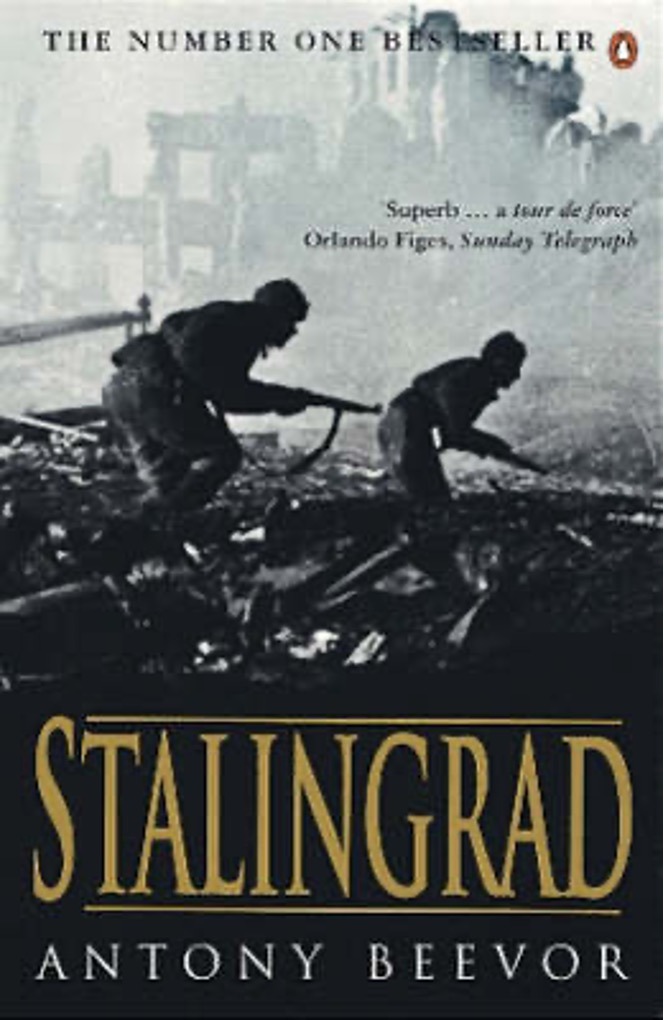
We’ll also look at the very different ways history can be presented, from traditional historical scholarship to “docufiction” and popular storytelling.
And finally, Keith will draw some striking and uncomfortable parallels between the Nazi invasion of Ukraine in 1941 and Russia’s invasion of Ukraine in 2022.
This is therefore a story about football, war, propaganda, identity and the way history is remembered.
It promises to be a fascinating—and very timely—journey into a past that still resonates today.
Keith business travelled and then lived and worked in Russia and Ukraine for around 20 years, and continued to visit the region regularly until the Russian invasion of 2022. There may thus be a few almost “Travellers Tales Moments”.
Come along to Casa Cultura, 11.00am start, Tuesday 29th September. Entry is absolutely free for all Javea U3A members