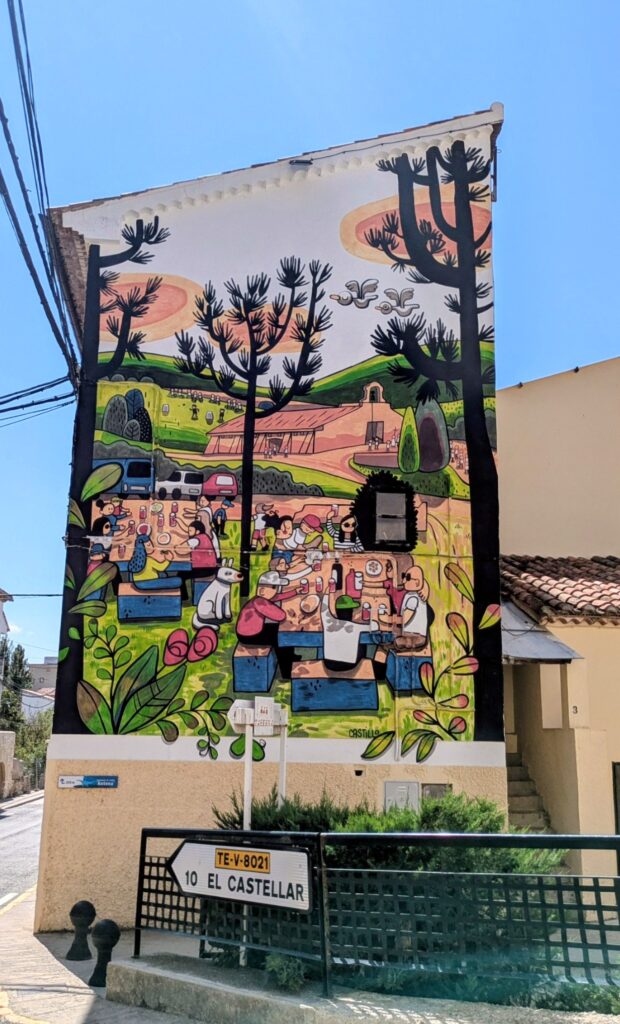
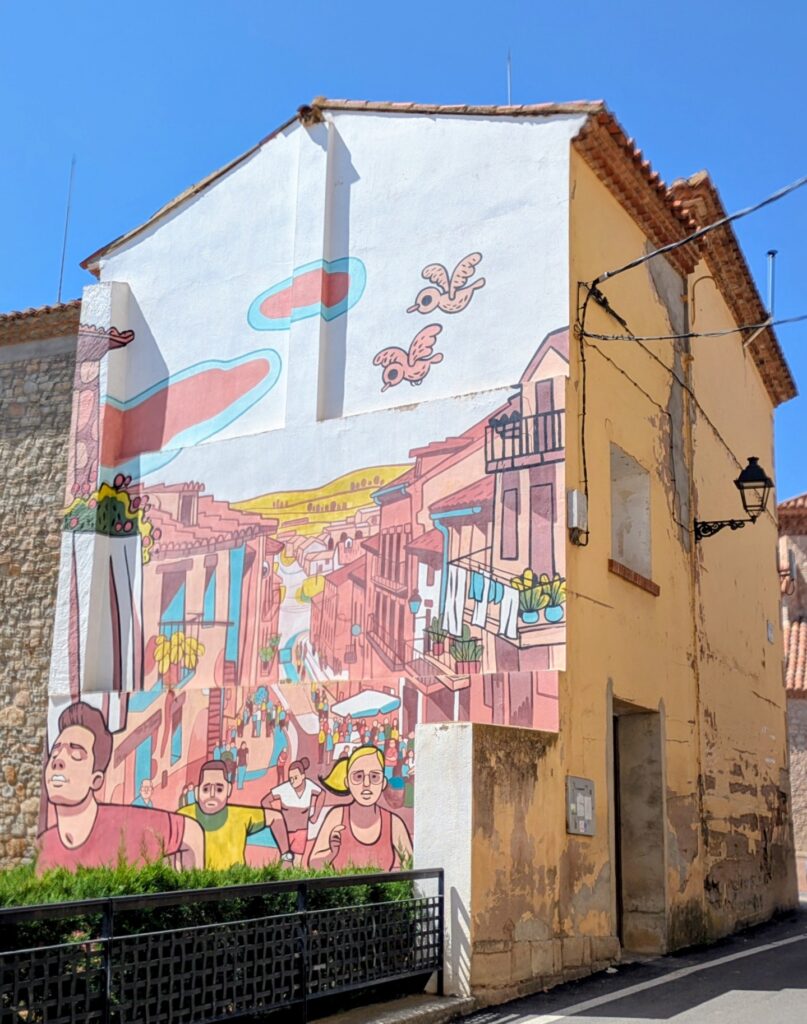
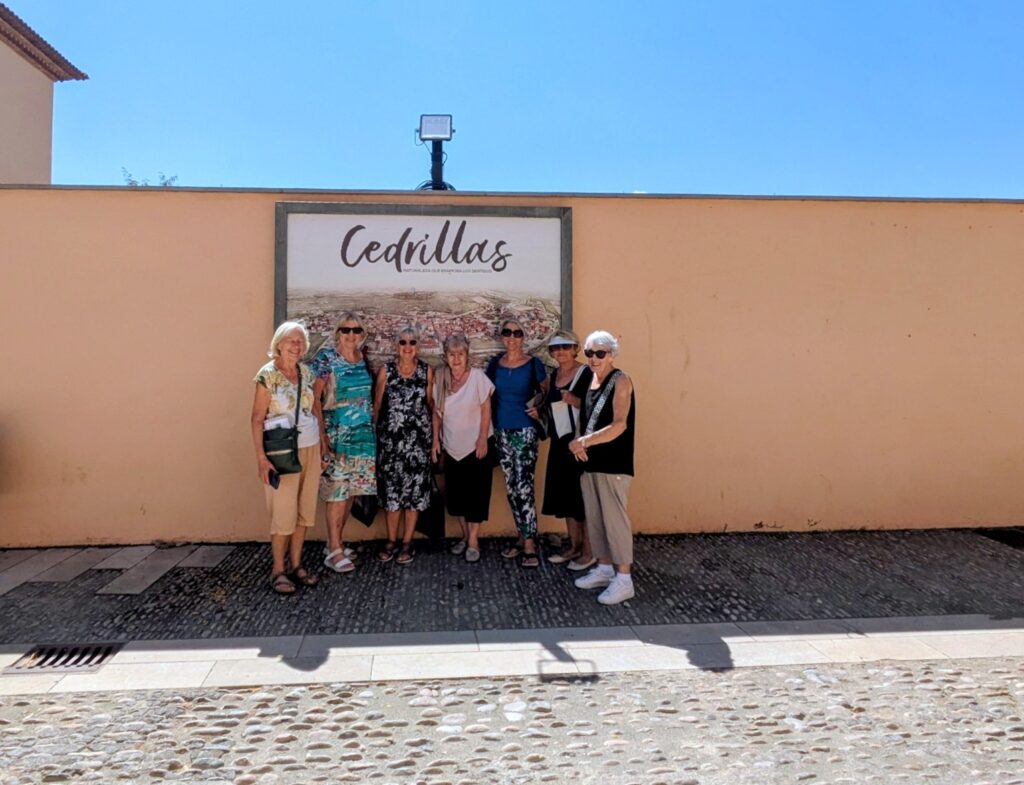
We left Jávea Saturday morning, 22nd August, for our 10-night tour of the Huesca region, stopping enroute at Cedrillas for lunch, a town which has a temporary exhibition every year of mural artwork.
By late afternoon, we had checked into the 4* Hotel Sancho Abarca Petit Spa, located in the centre of Huesca, our base for the next 2 nights. Huesca is a lovely city, much quieter than we had anticipated. We had a guided walking tour in the morning, seeing inside the old town hall, the monastery and the great cathedral, as well as a few interesting museums.
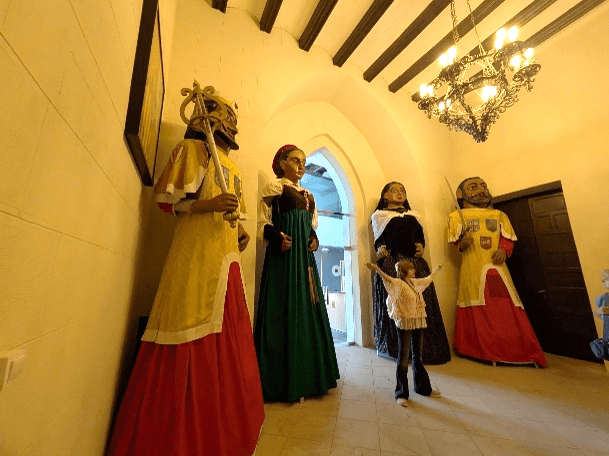
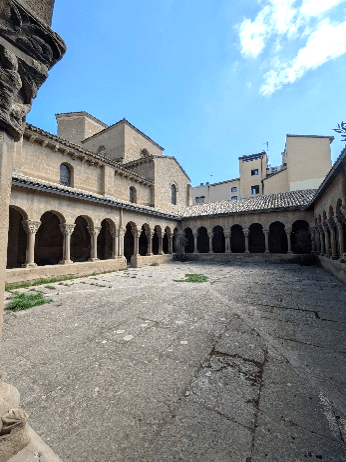
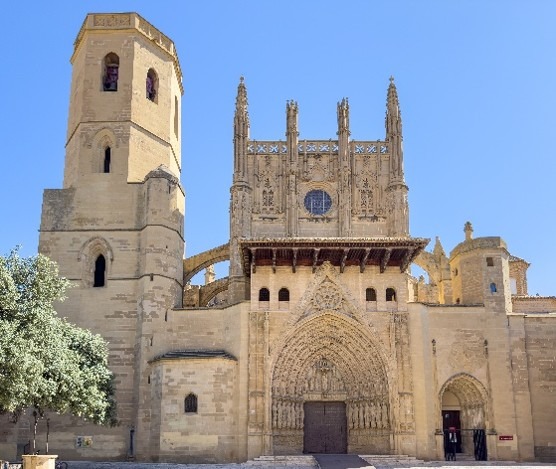
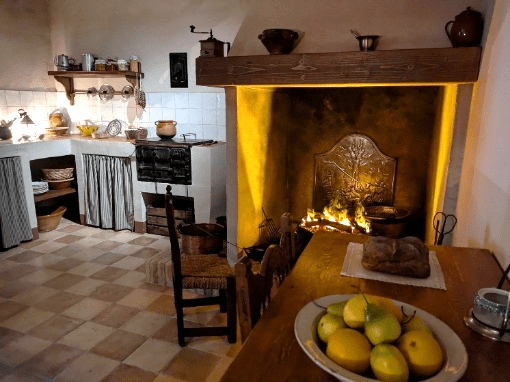
The Casa Museo in particular, was quite fascinating, learning the story of Padre Saturnino Lopez Novoa, who was later canonized, and also the beautiful modernist glass ceilings in the casino.
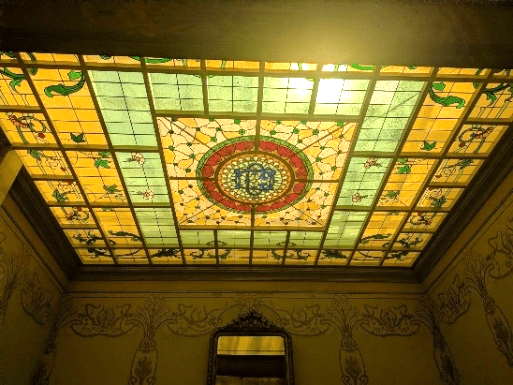
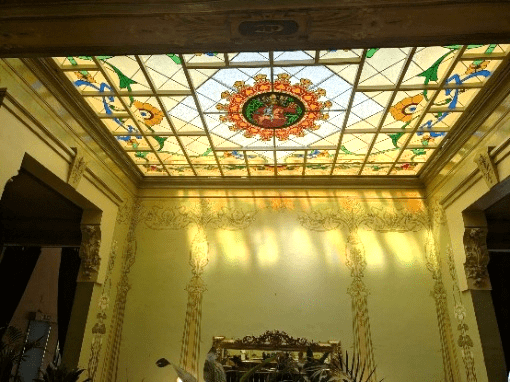
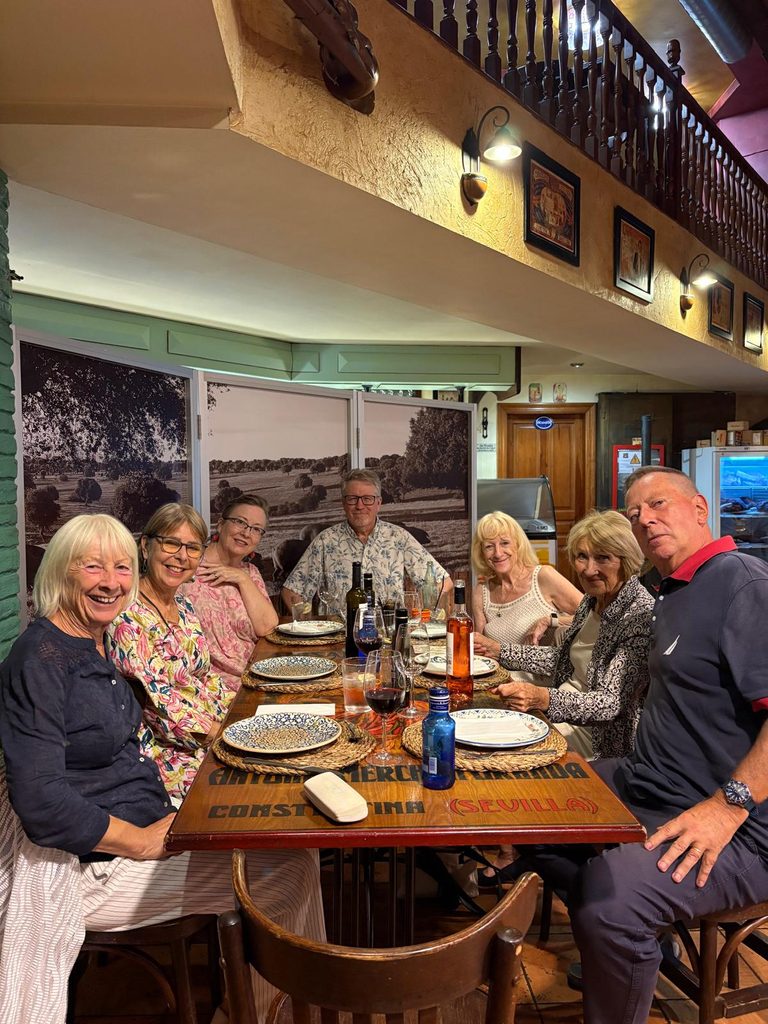
The day ended with dinner in the evening, shared with great company.
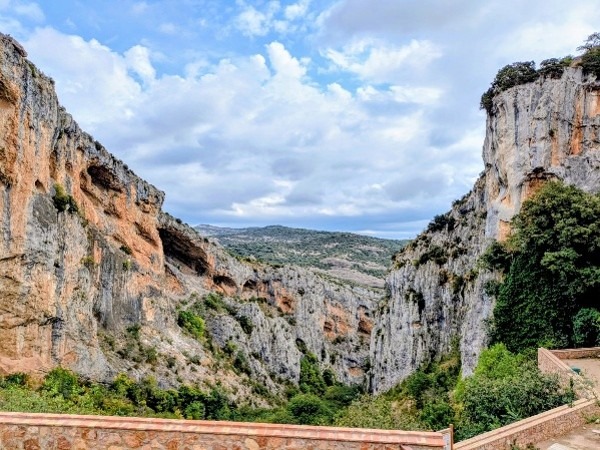
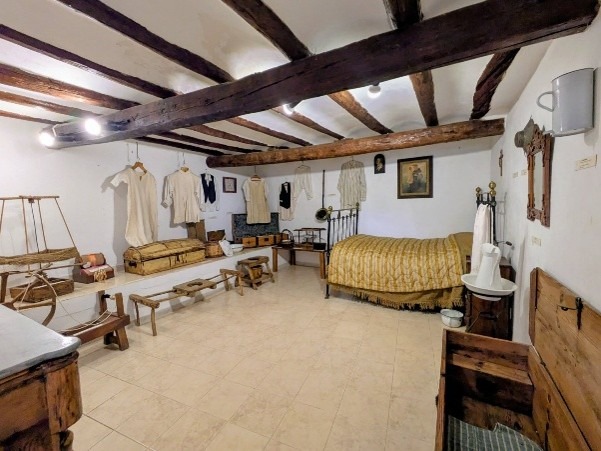
On Monday 24th August we checked out of the hotel and made our way to Alquézar which is situated in the heart of the Sierra y Cañones de Guara Natural Park. This picturesque medieval village has not only been recognised as one of the most beautiful villages in Spain, but in December 2022 it received a prestigious award from the World Tourism Organization (UNWTO), being included among the Best Tourist Villages in the World. We had an excellent guide for our walking tour. Our route started from the tourist office, where we were all equipped with voice boxes + earpieces so that we could comfortably hear everything that was being said. Alex explained the history of the village, its culture and traditions, as we walked carefully though the cobbled streets, and whilst members sat on the wall at the mirador, we also learned about how the huge gorge had been formed over millions of years. It certainly was spectacular! We didn’t have time to venture up to the Castle Collegiate Church on the top of the hill, which was probably fortunate as it was a warm and sunny day. The tour concluded with a visit to the Museo Etnologica Casa Fabian, which was very interesting, and we gave Alex a big round of applause in appreciation for all the information which he had shared with us, in perfect English. Time then for everyone to have lunch in one of the quaint café bars/restaurants dotted through the village.
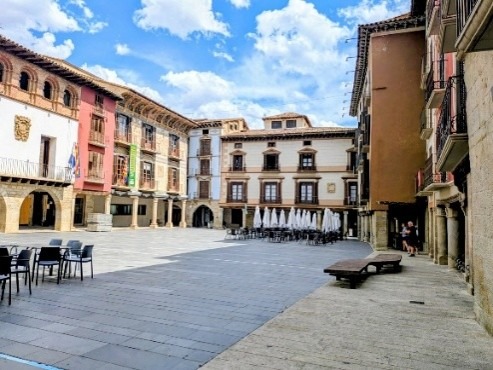
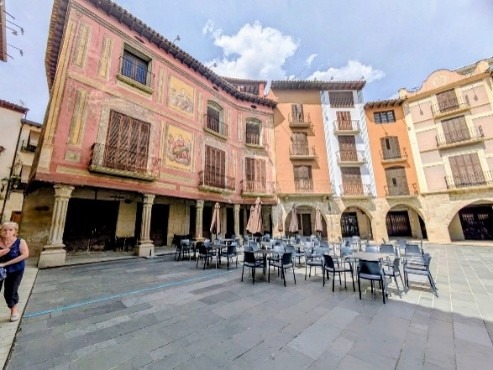
We then moved on to spend the afternoon in Graus, located in the Pyrenees at the confluence of rivers Esera and Isabena. It had a picturesque historic quarter, with a beautiful main square. A few of us made the climb up to the Basilica, which was high up overlooking the town.
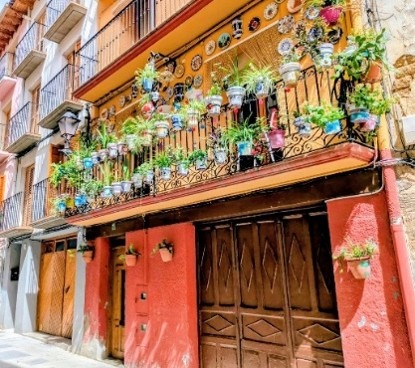
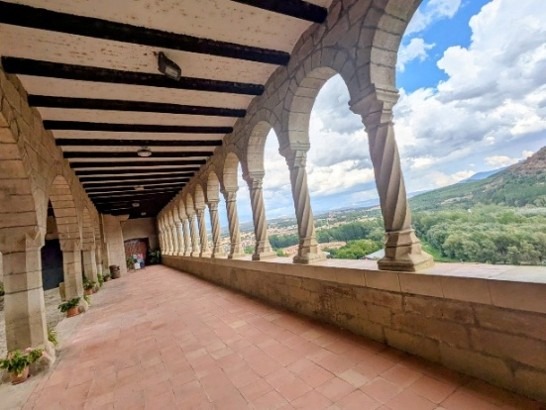
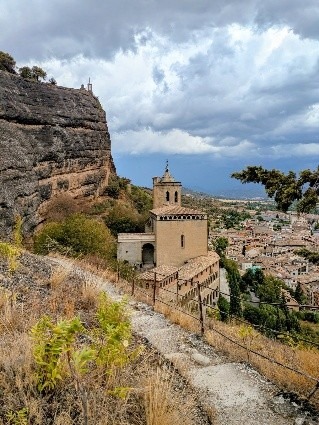
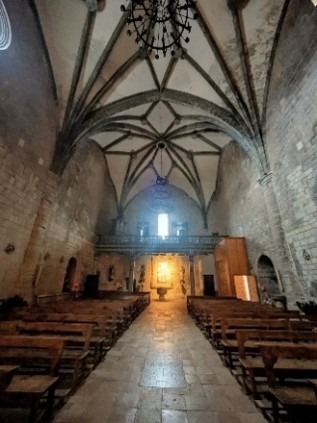
Finally, we made our way to Aínsa, a stunning medieval town in the Aragonese Pyrenees and one of the most beautiful villages in Huesca, where we checked into the 3* Hotel Mesón de L’Aínsa, our home for the next 2 nights.
Everyone had a free day in Aínsa to explore its medieval streets, the walls of its castle, its picturesque Plaza Mayor, and the beautiful 12th century Church of Santa María de Aínsa.
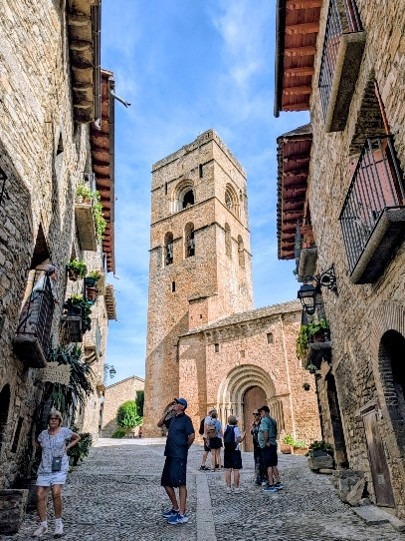
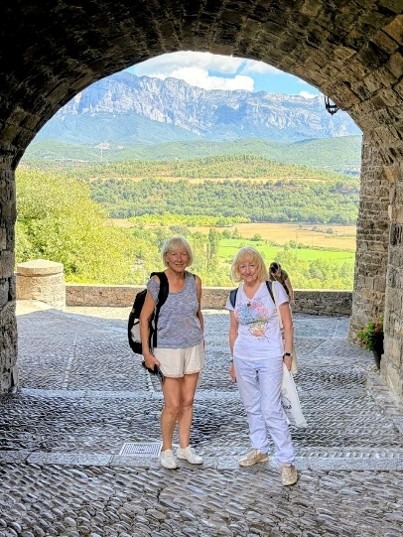
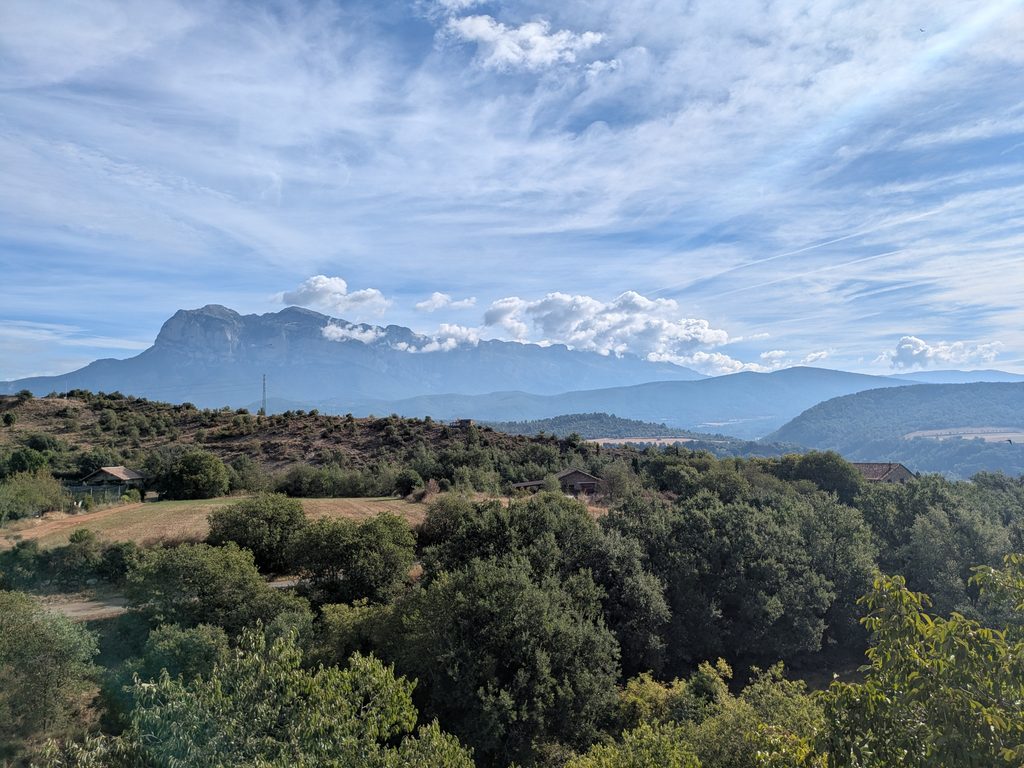
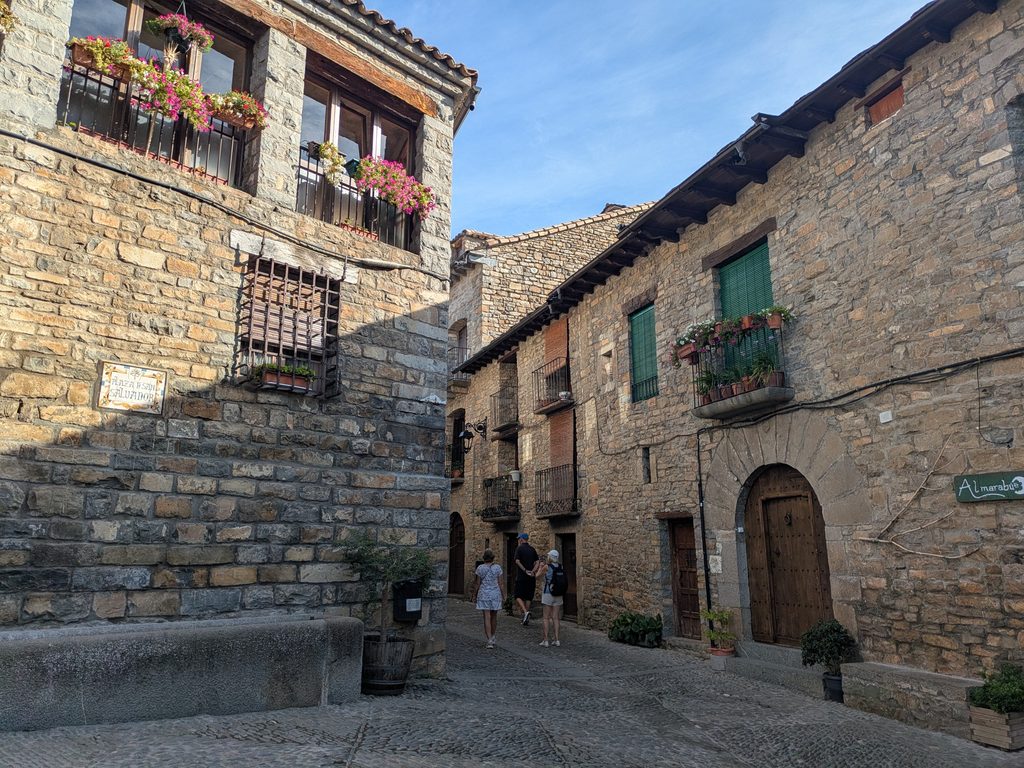
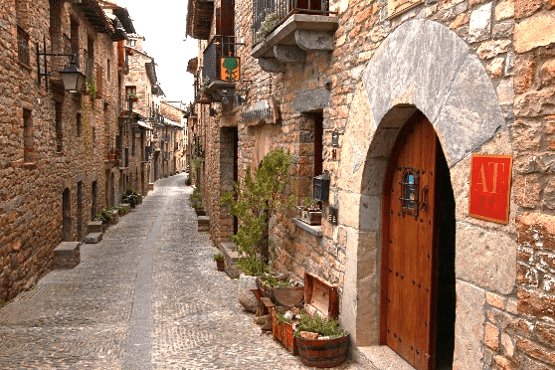
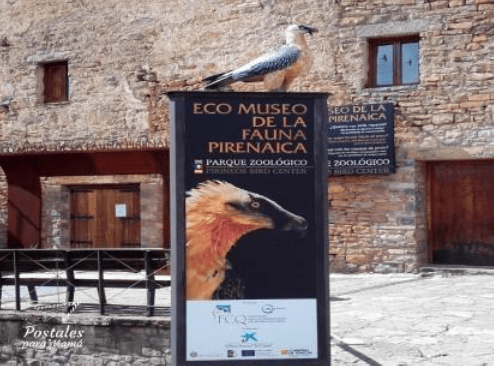
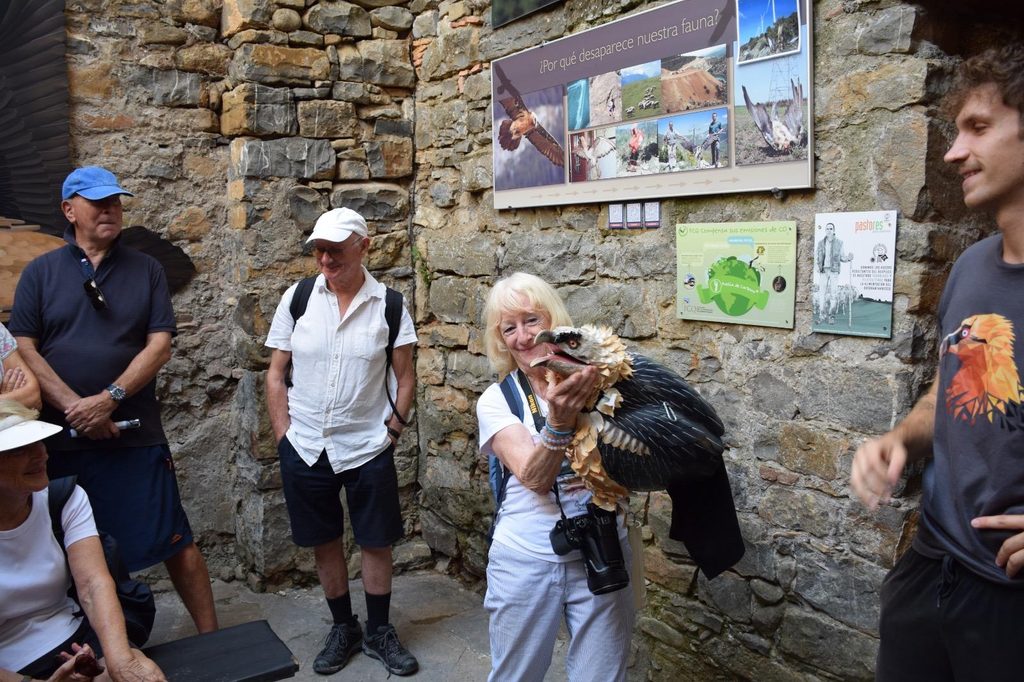
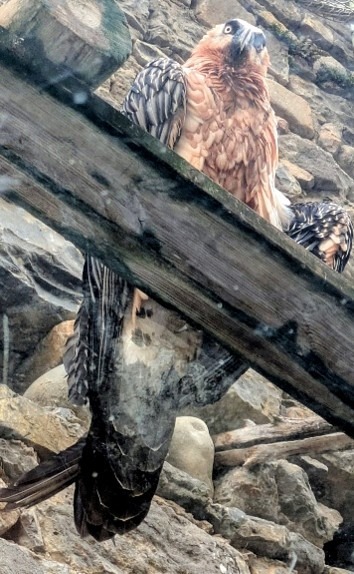
Many of us took the opportunity to visit the Eco Museum – Pyrenean Fauna Visitor Centre, located in one of the towers of the castle. It is much more than an exhibition about the biodiversity of the Pyrenees, and the entrance fee includes a visit to the rescued bird shelter.
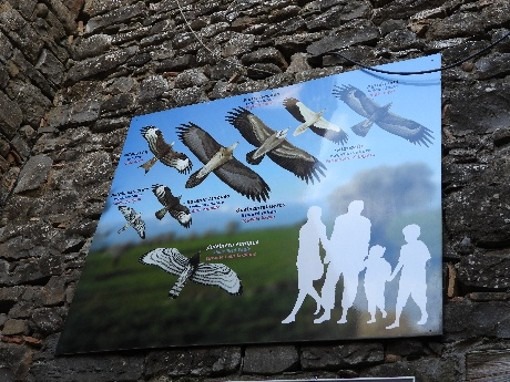
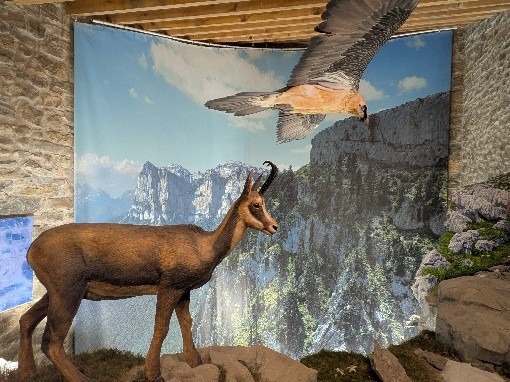
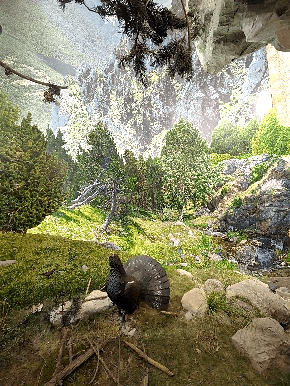
On Wednesday 26th August we made our way to Tramacastilla de Tena, a picturesque mountain village situated at an altitude of 1,224 metres within the Valle de Tena in Huesca. It is known for its traditional stone architecture, narrow streets, and local bread. We had a trip on the tourist train which took us higher up the mountain Ibón de Paúles, where we had time to walk a little way around the lake.
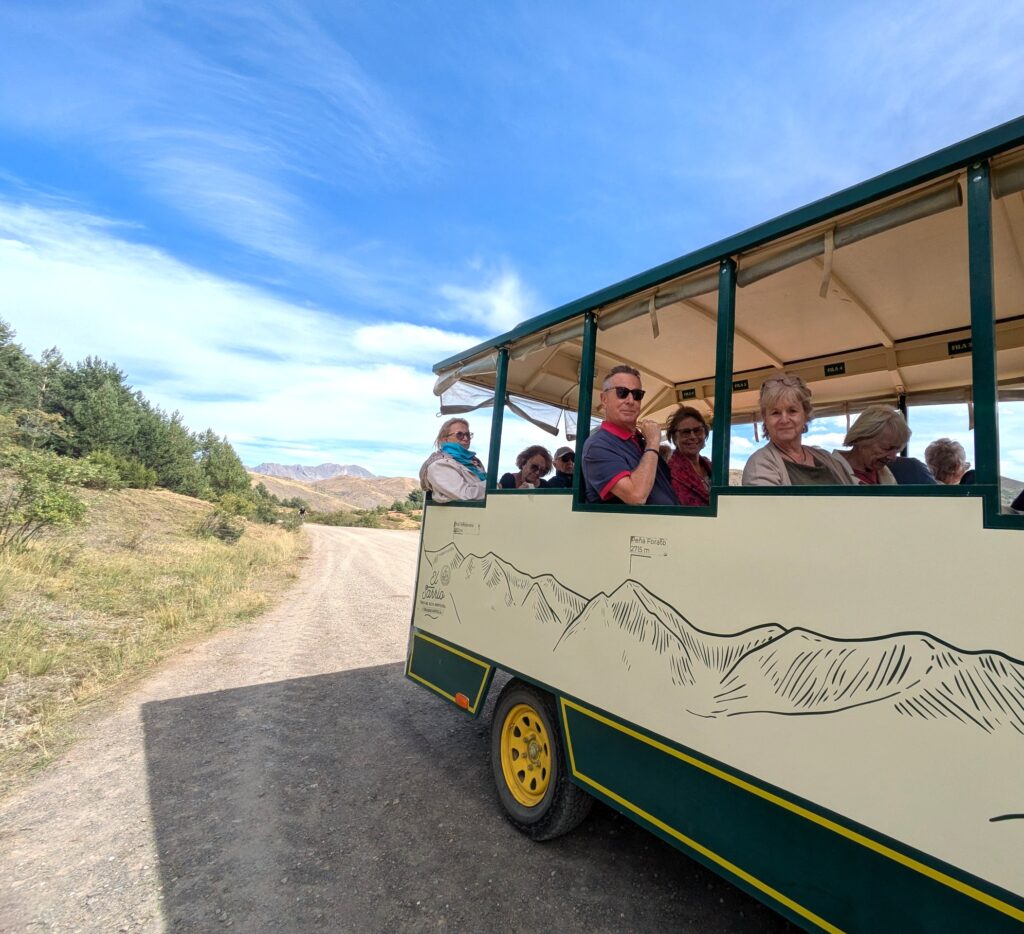
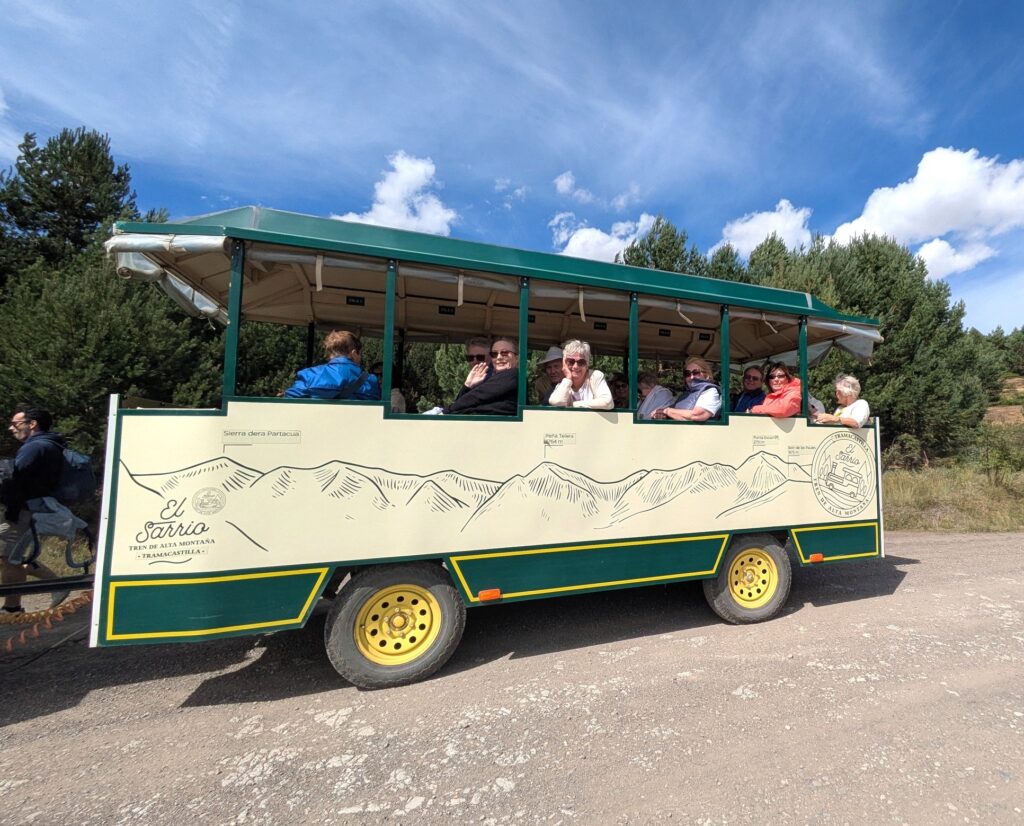
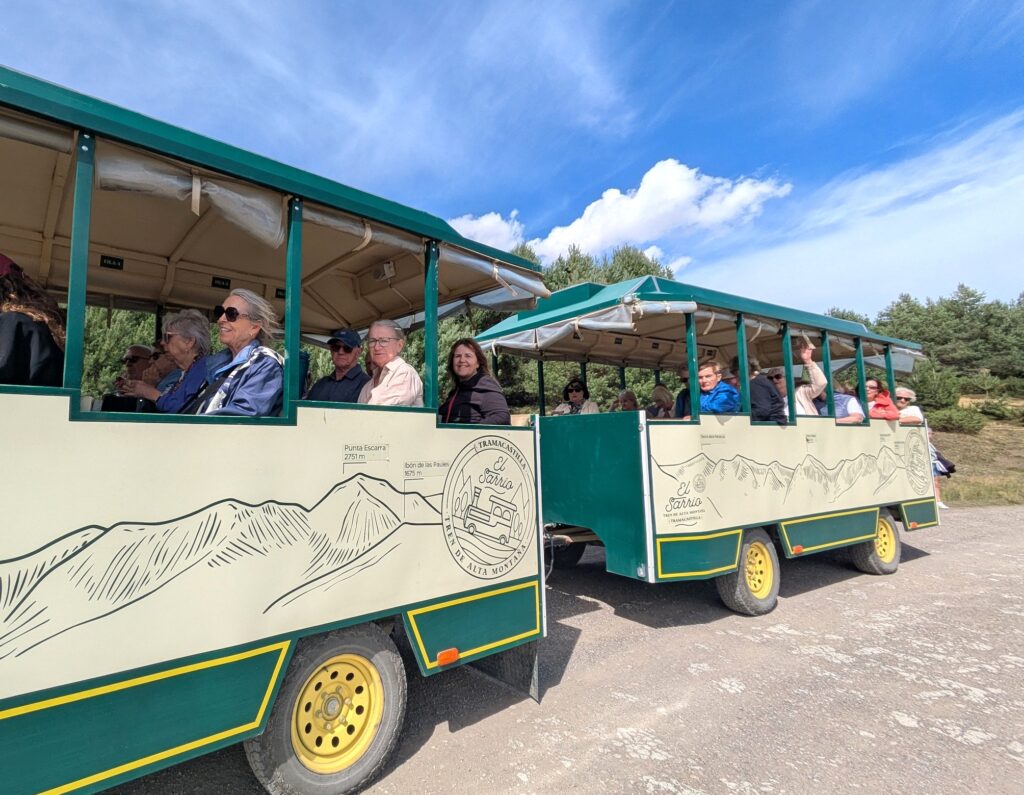
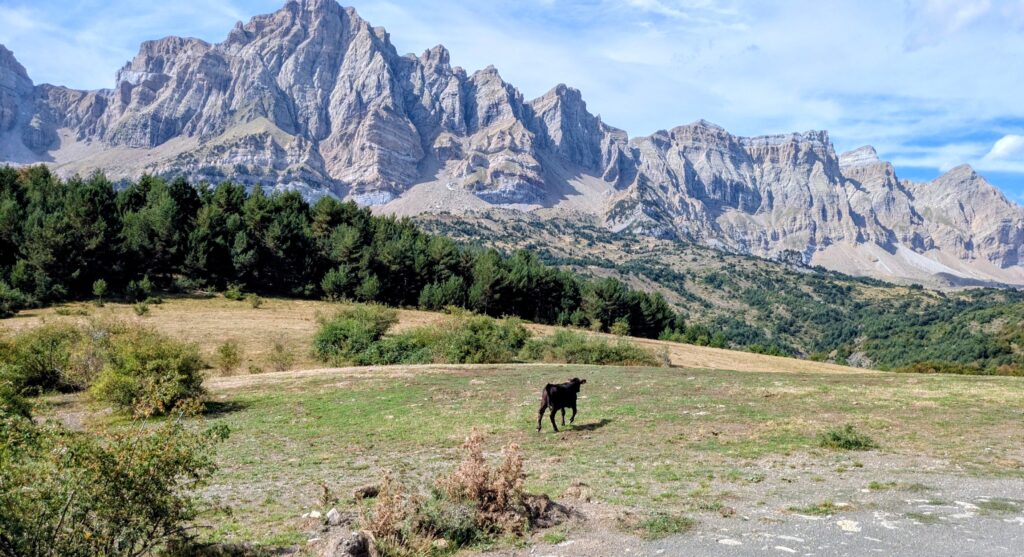
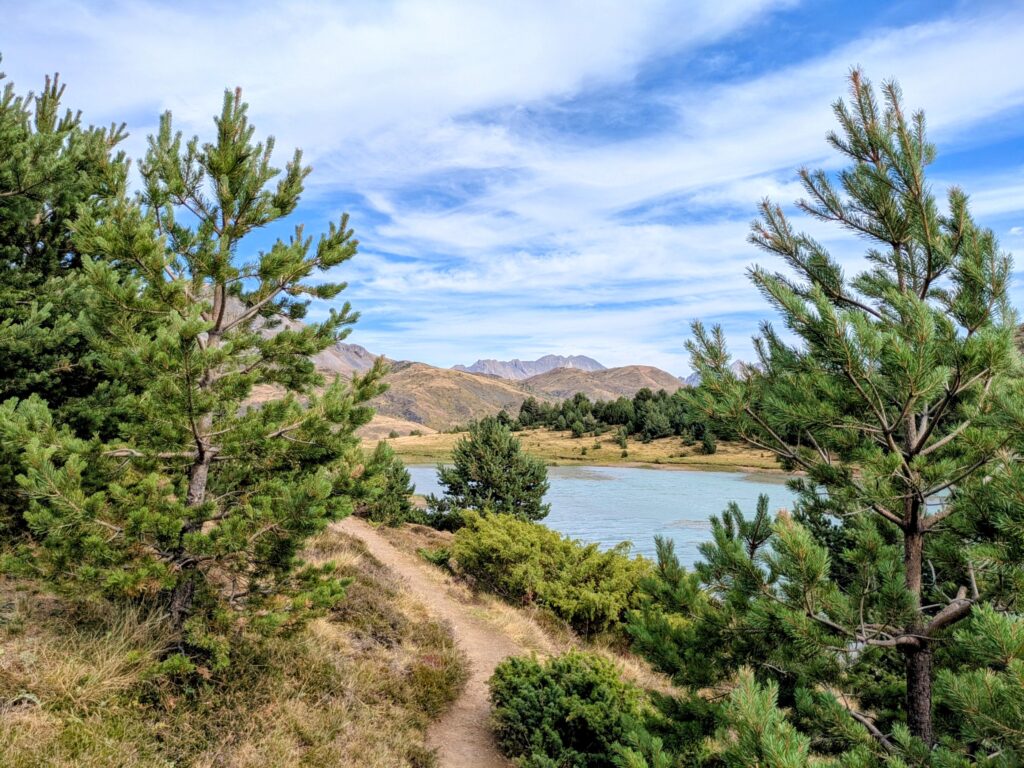
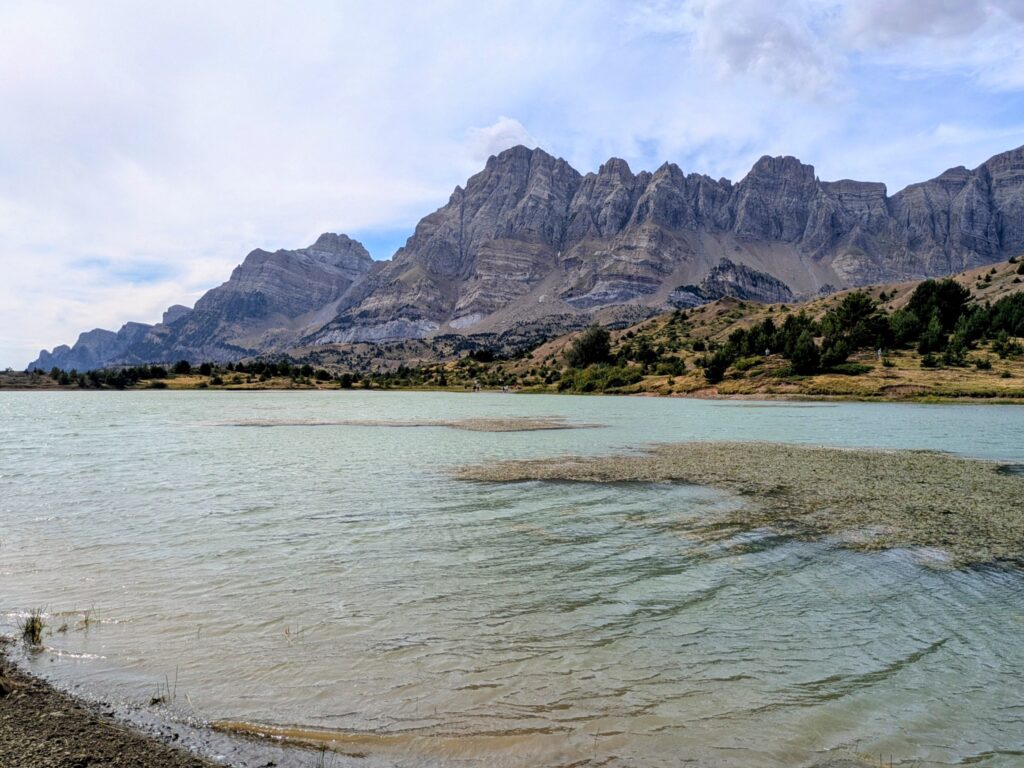
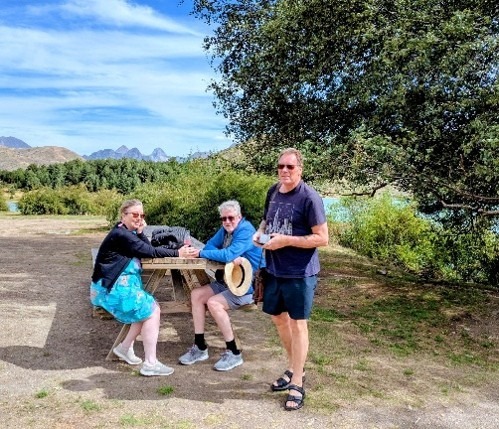
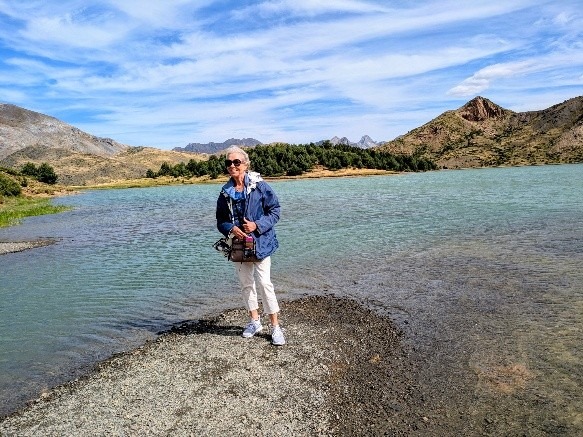
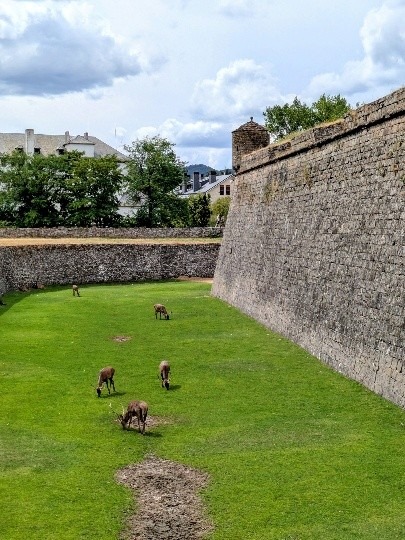
After reboarding our coach, we made the short journey to the 4* Hotel & Spa Real Badaguás-Jaca, our base for the next 5 nights. Badaguás is a small village in the Pyrenees, surrounded by verdant valleys. Next day was free for everyone to explore Jaca at their own pace. Known as “the pearl of the Pyrenees”, it is a cosmopolitan European city, and a key stop on the Camino de Santiago. Our first site was a visit to the Citadel, an example of military architecture from the 16th century and declared an Historical-Artistic Monument – the only fully preserved Italian-style pentagonal star fortress in the world, Construction on the citadel began in 1592, and it features a pentagonal ground plan of grandiose dimensions, including a moat, and is built on flat ground.
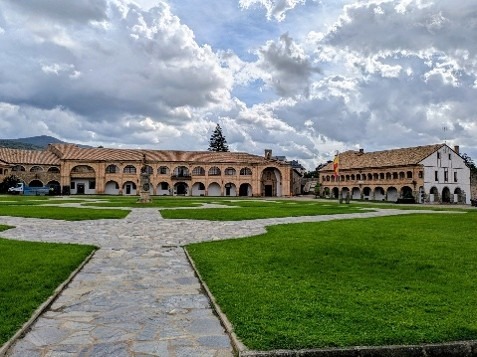
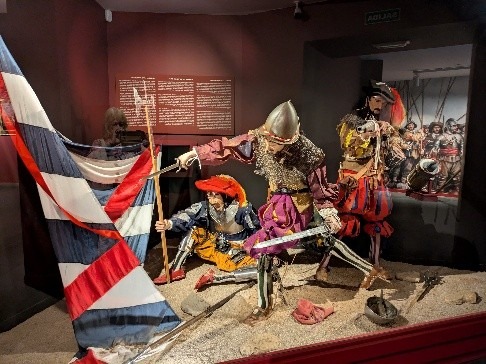
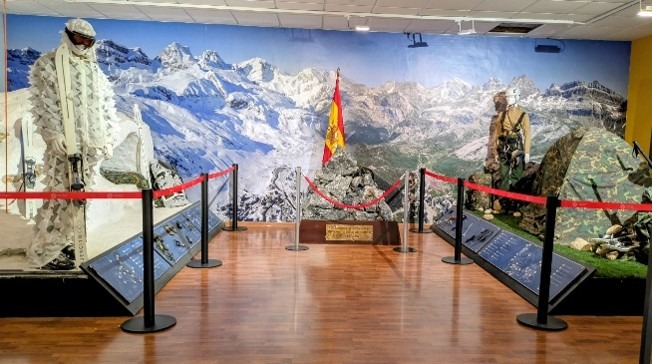
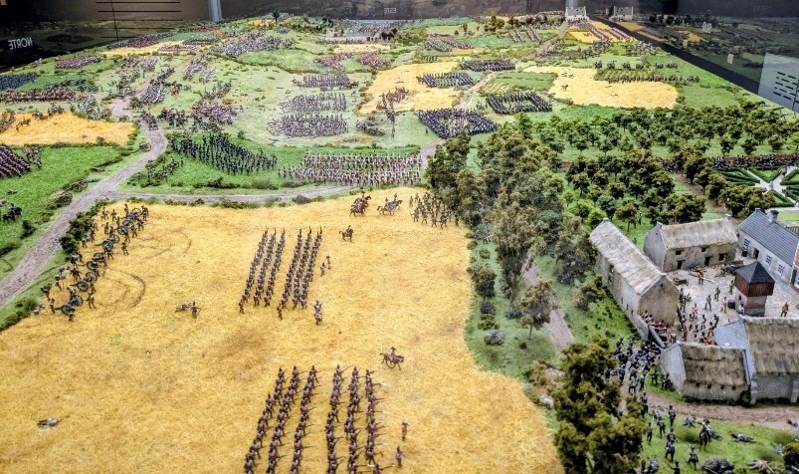
The Citadel is also renowned for its Museum of Military Miniatures, a globally unique exhibition which shows over 32,000 lead toy soldiers (mostly at a tiny 1:87 scale, roughly 20mm tall), arranged across more than 20 theme-based dioramas. The displays track the evolution of global armies and conflict from ancient Egyptian chariot warfare and Roman legions to 21st-century military technology, with a special focus on Spanish military history. Perhaps the most interesting for our group was the reproduction of the Battle of Waterloo. It was lovely to see several deer keeping the grass short!
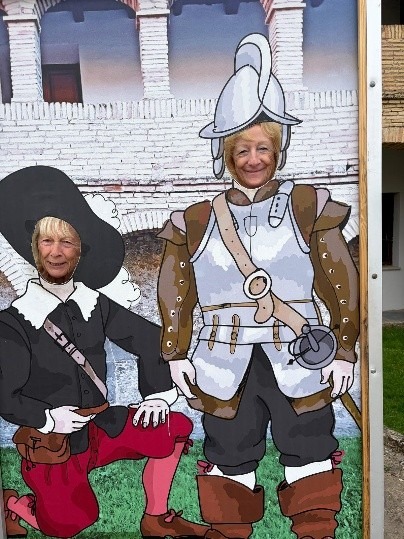
Jaca has many other sights to see including its Romanesque Cathedral from the 11th century, the Clock Tower, medieval San Miguel Bridge, and City Hall. We spent time exploring the old town and also walked over the medieval bridge.
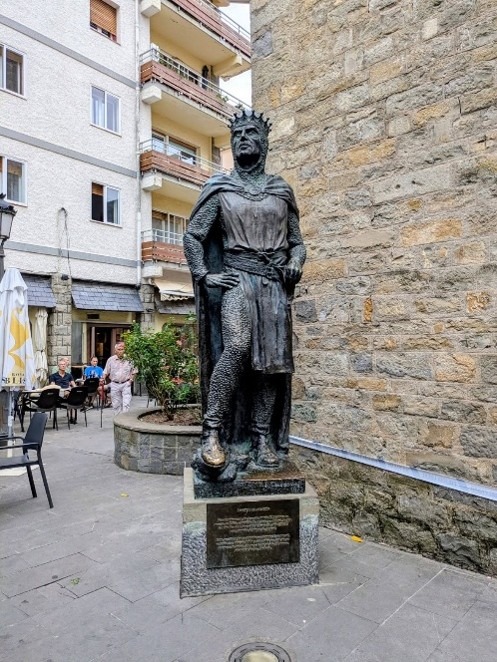
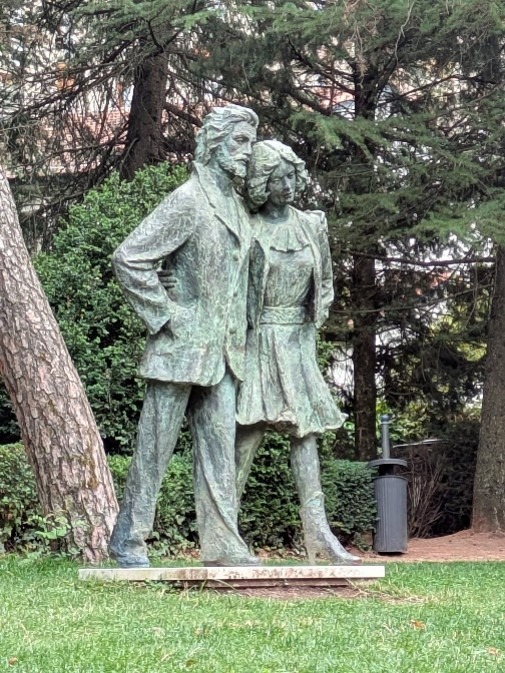
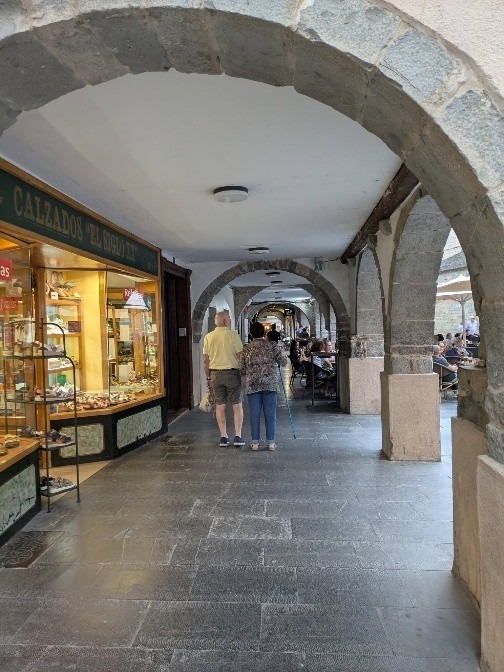
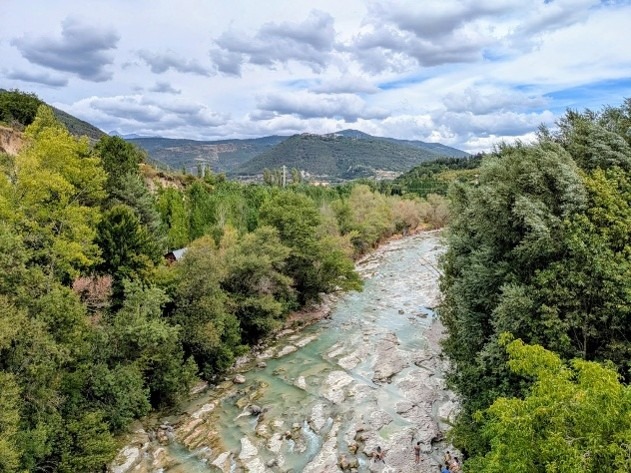
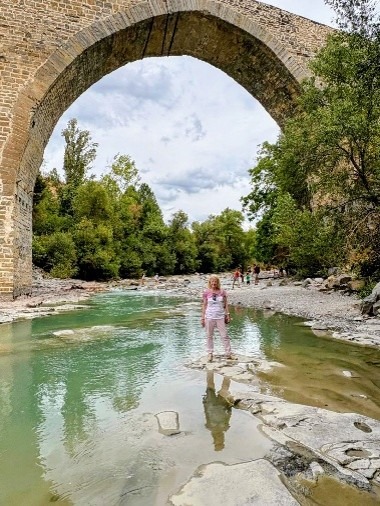
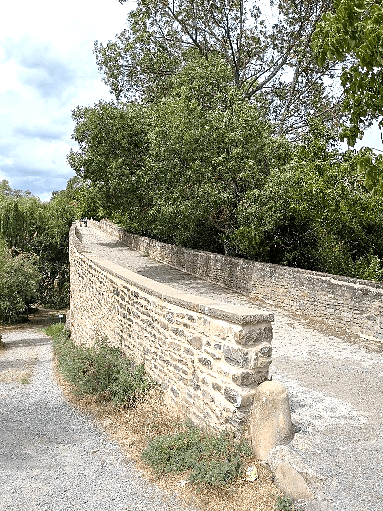
Vicente, our coach driver, kindly agreed to take us into Jaca on 2 nights so that we could experience the town’s vibrancy in the evening, and discover new restaurants for dinner.
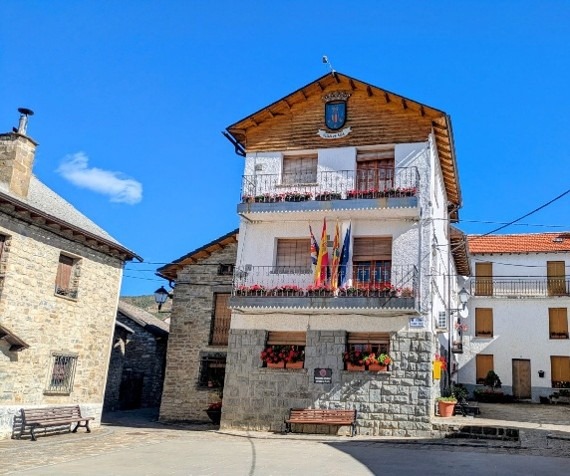
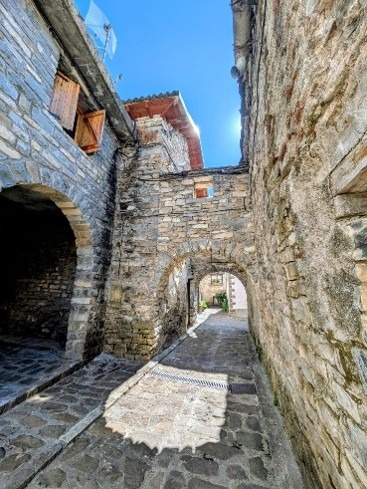
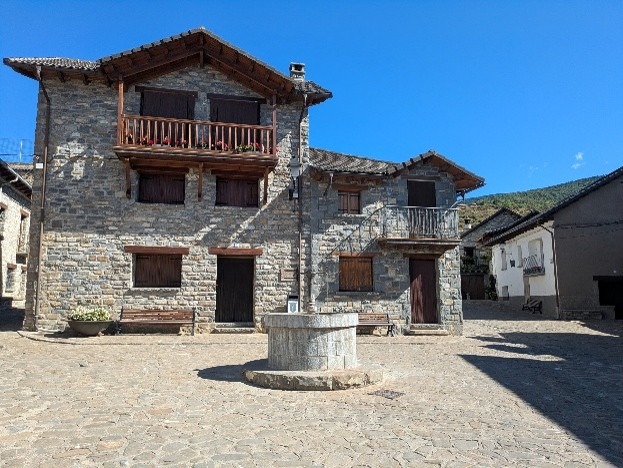
On the morning of Friday 28th August, we had free time to explore Aisa. Surrounded by beech, pine and oak forests, and with impressive panoramic views, Aisa is a typical Pyrenean village. Its streets are dominated by stone houses with steep slate roofs and large chimneys, whose facades boast beautiful wrought iron and wooden balconies. Its old town is kept in very good condition, mainly because all the renovations carried out have sought to maintain the traditional style of the popular mountain architecture.
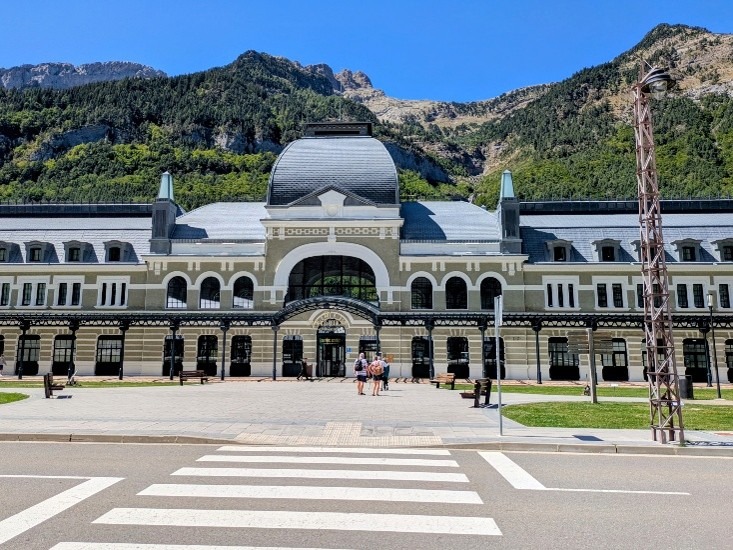
We moved on to Canfranc for lunch. This small town in the Pyrenees, which is very close to the French border, is renowned for the Canfranc International Station, which was inaugurated in 1928, and famous for escaping Jews from Nazi occupied France and smuggling gold and treasure out to Spain. Abandoned for many years after a collapsed bridge closed the line, it is now back to its former glory as a 5-star hotel with a Michelin star restaurant. Amazing to find this once second largest station in Europe, high up in a Village of 500 residents! It is a monumental structure declared a Cultural Heritage Site for what it represented at the time: a showcase of Spain.
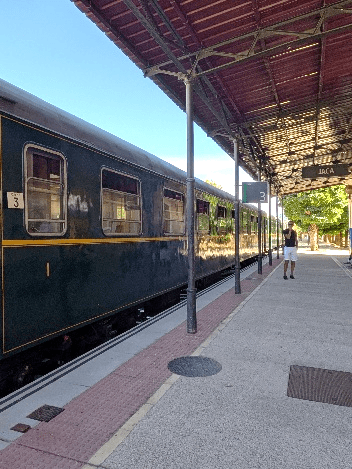
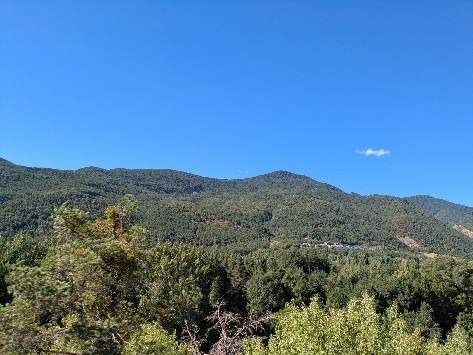
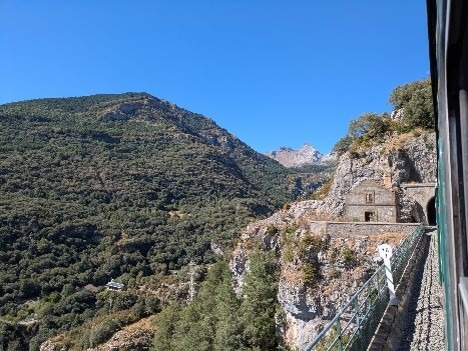
On Saturday morning we travelled to the Lacuniacha Wildlife Park – a very difficult road, narrow and with many bends but somehow our driver Vicente, with his usual skill and patience, managed to get us there safely! It required a slight change of plan as the members not visiting the park had to walk to the village of Piedrafita de Jaca, which was fortunately just a short walk and downhill all the way! The Lacuniacha Wildlife Park is a bioparc of over 30 hectares in the Tena Valley, surrounded by the imposing Huesca Pyrenees mountains. Although I didn’t personally see a lynx, I was very pleased with the wildlife that I was able to photograph and here are just a few images.
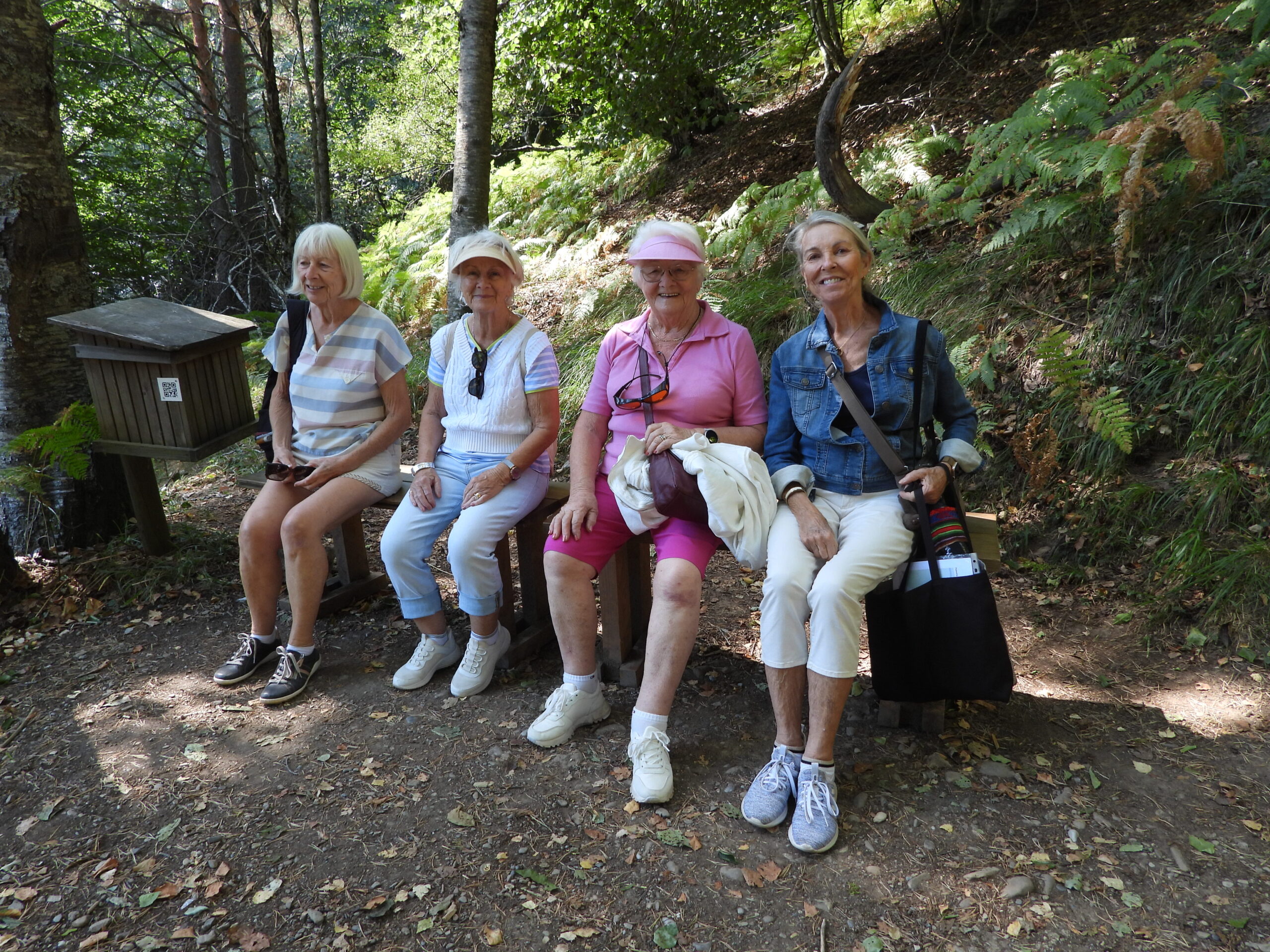
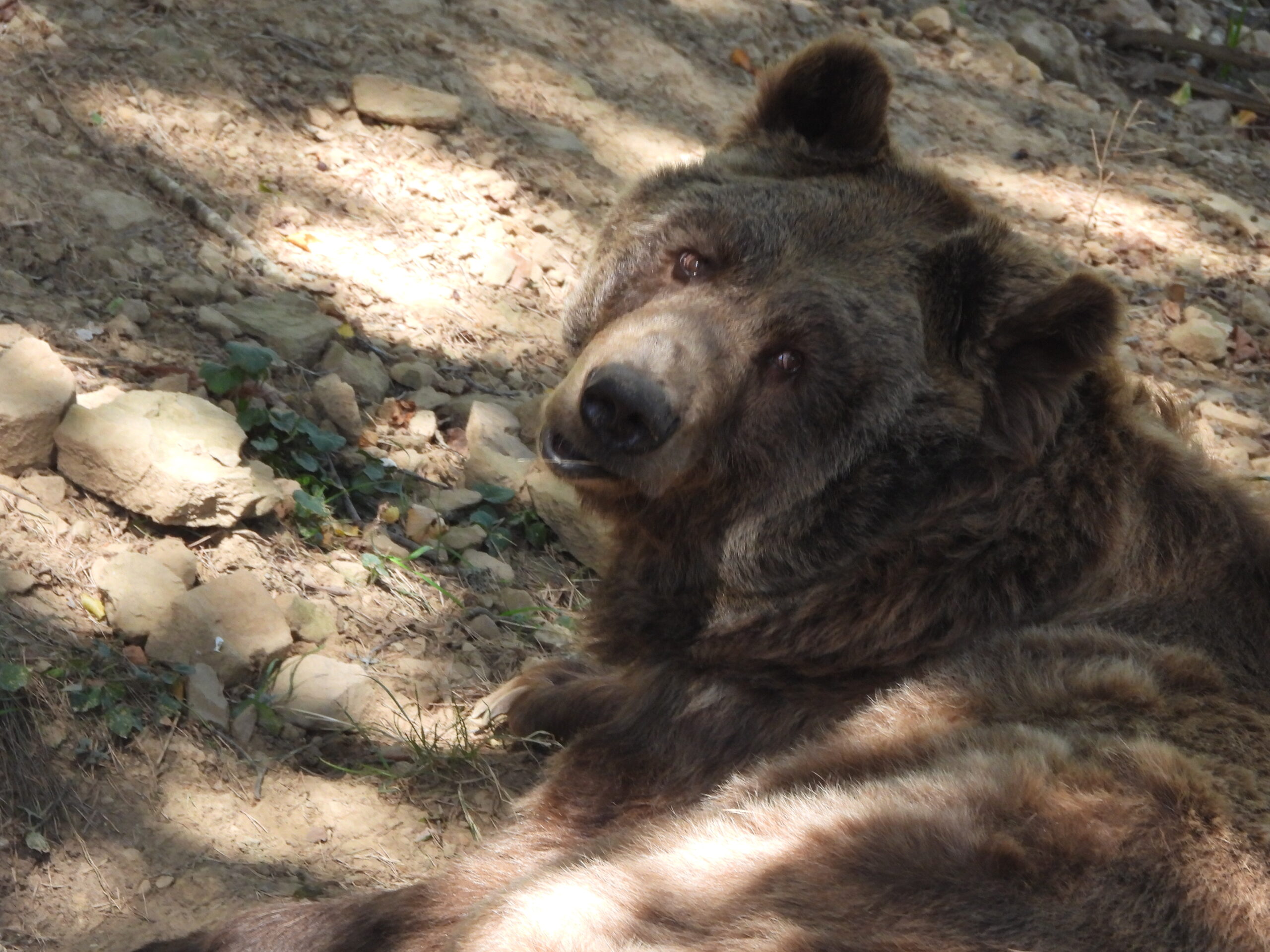
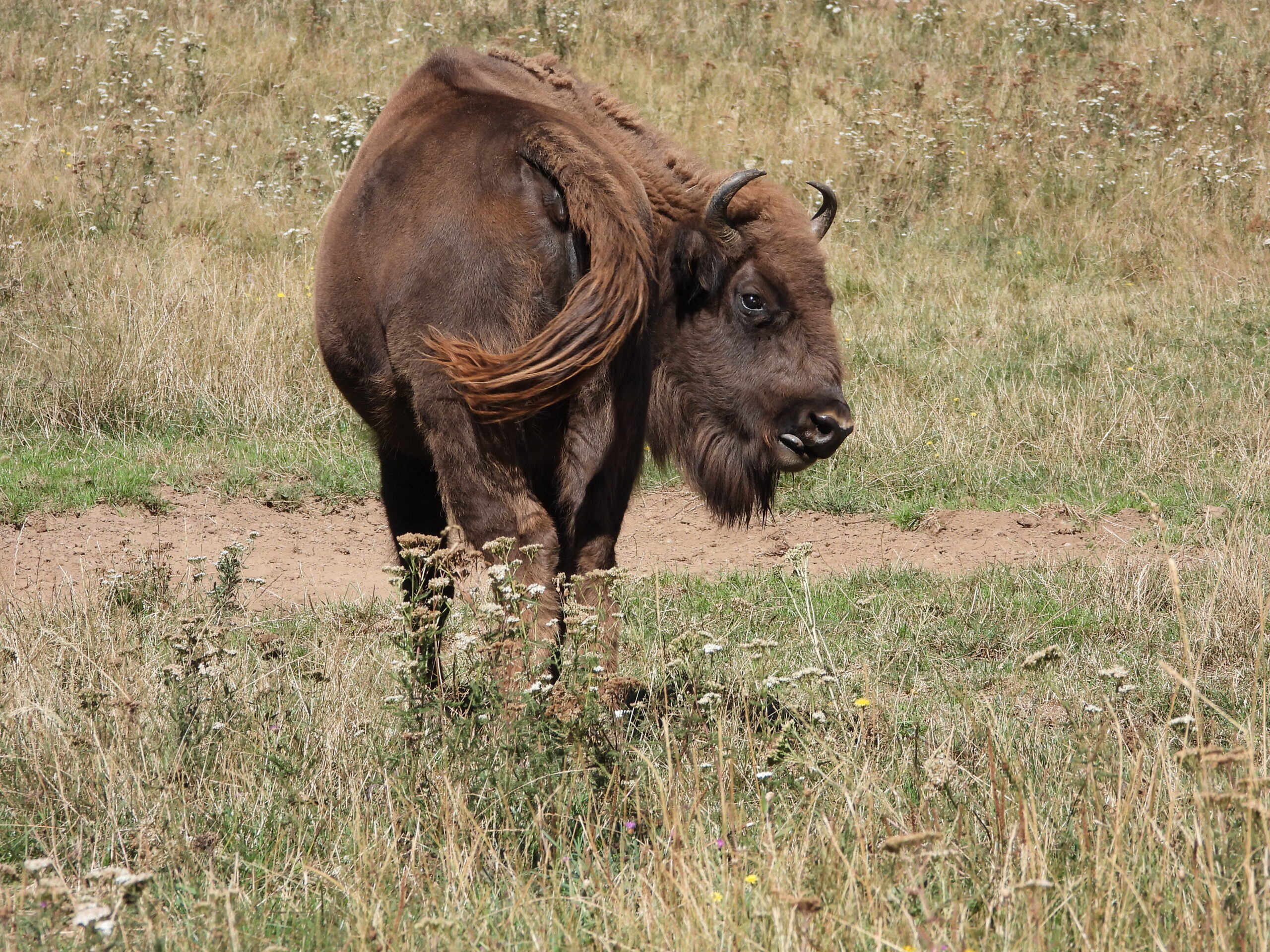
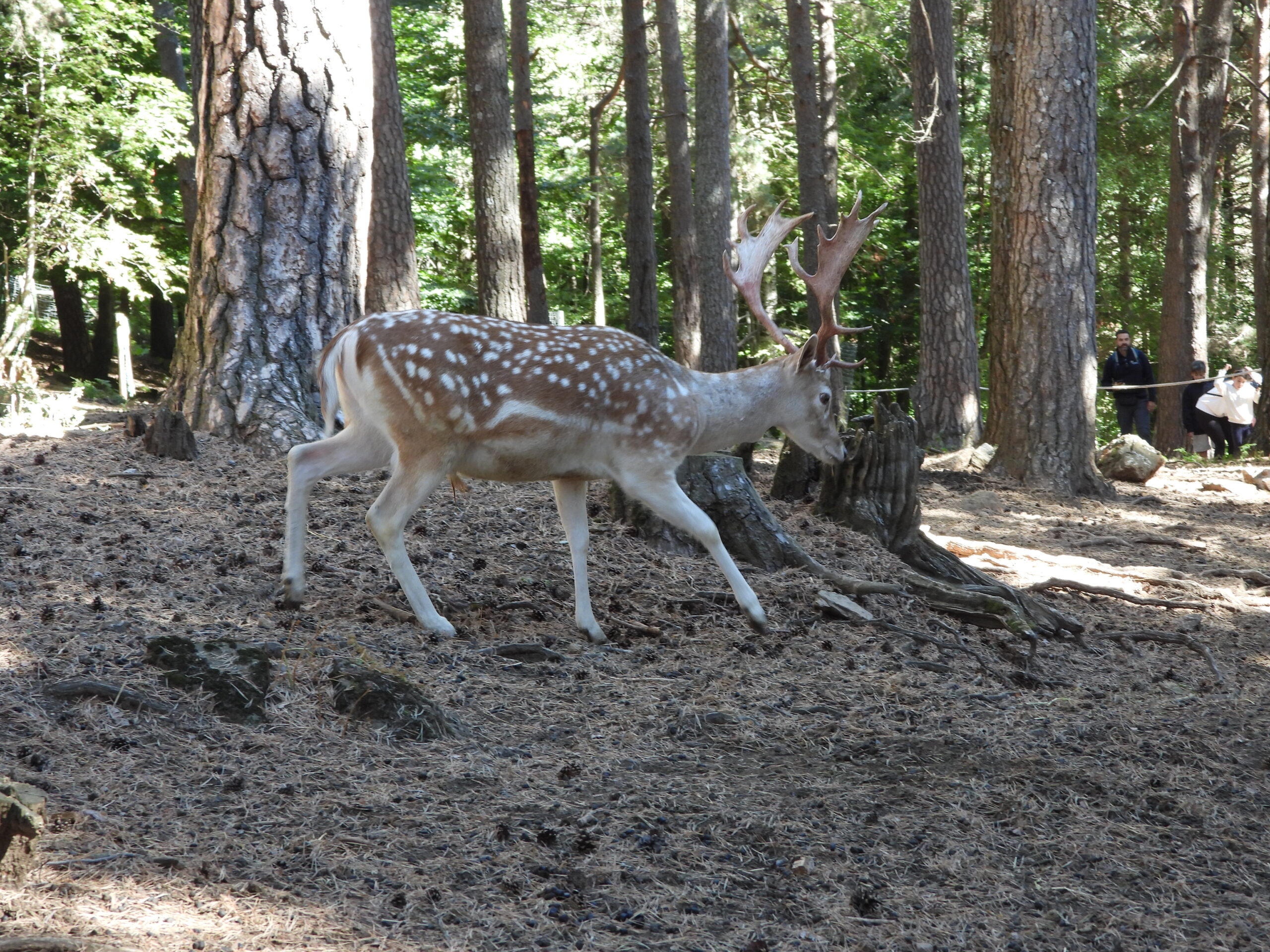
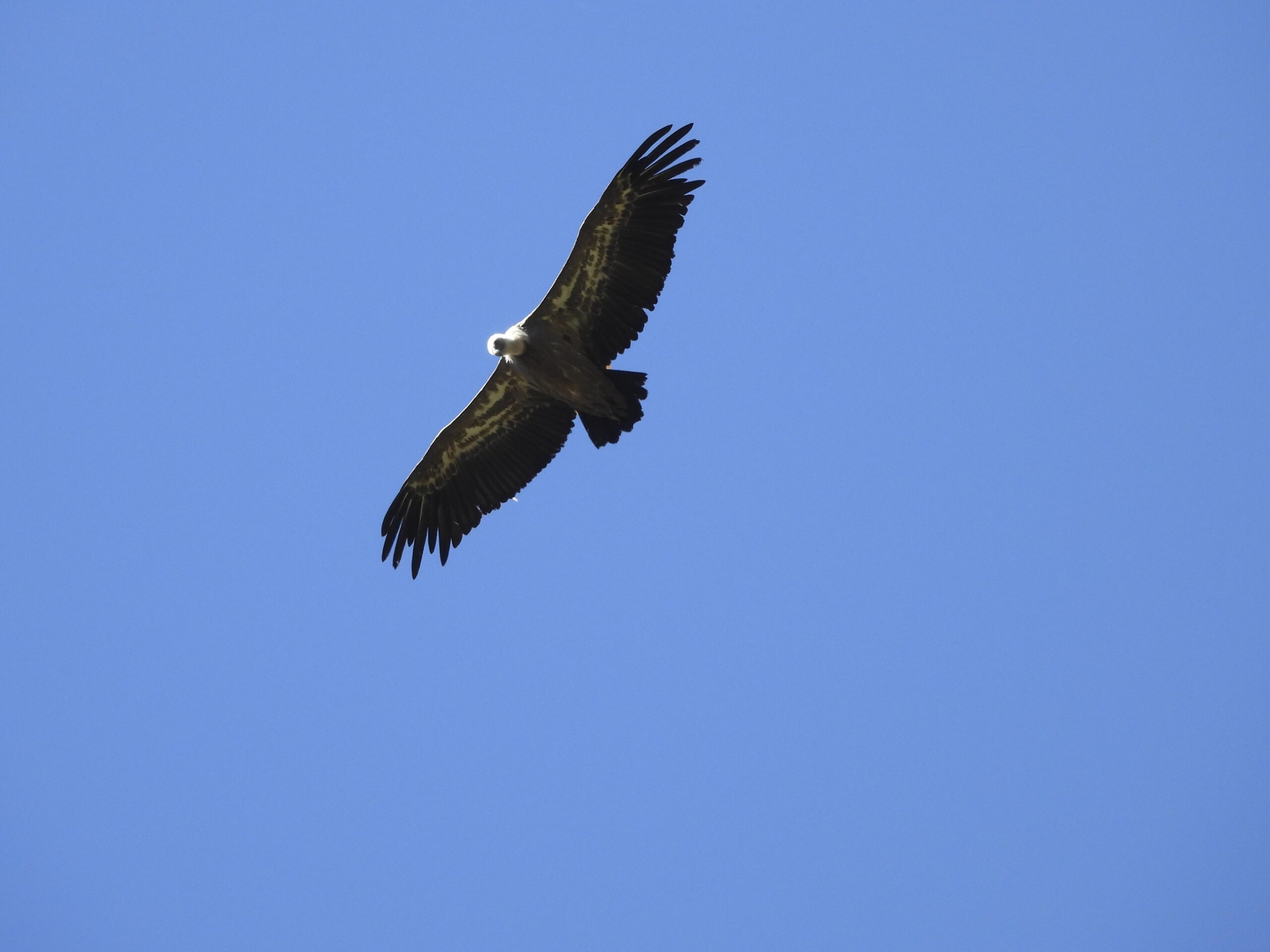
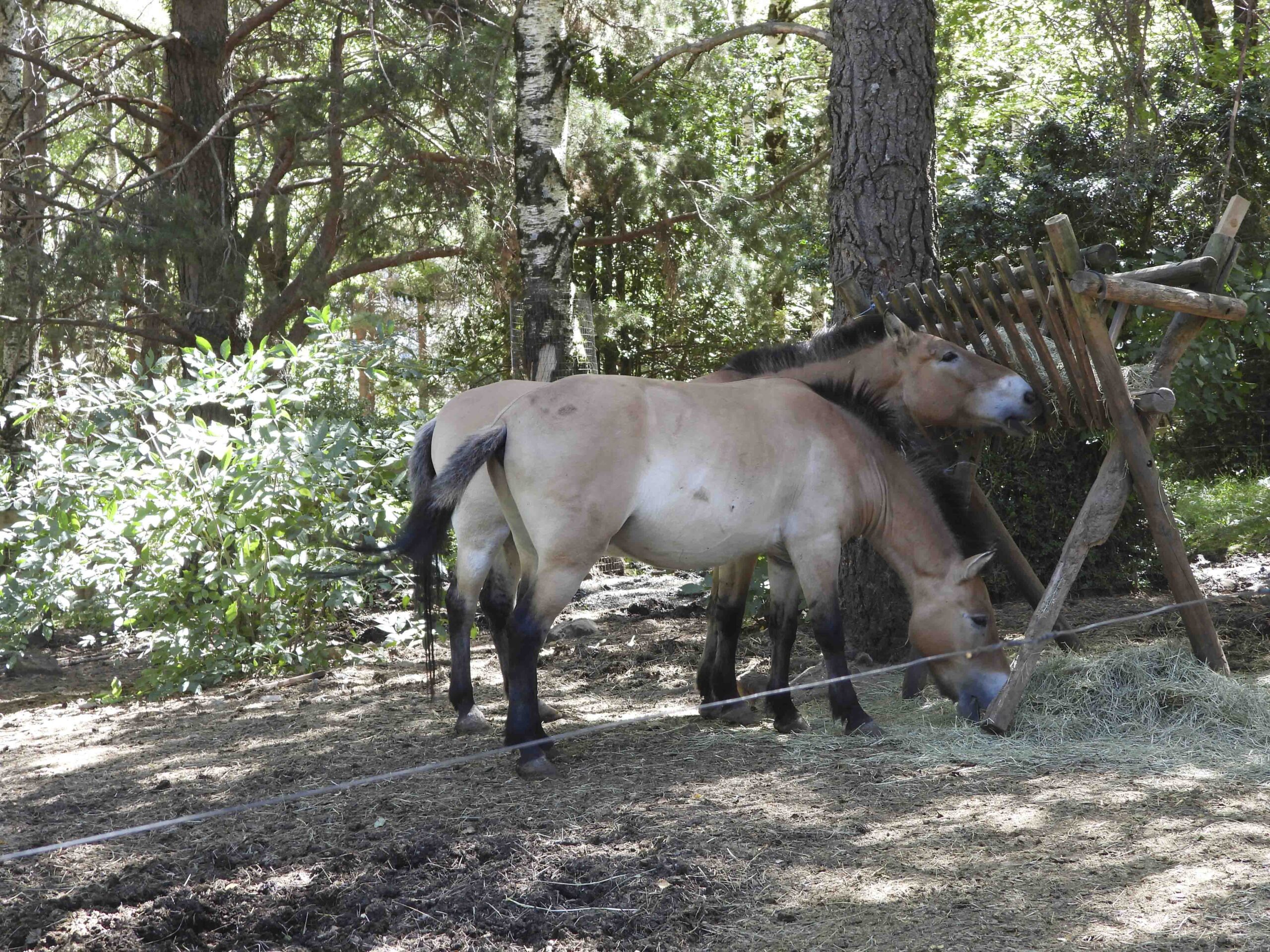
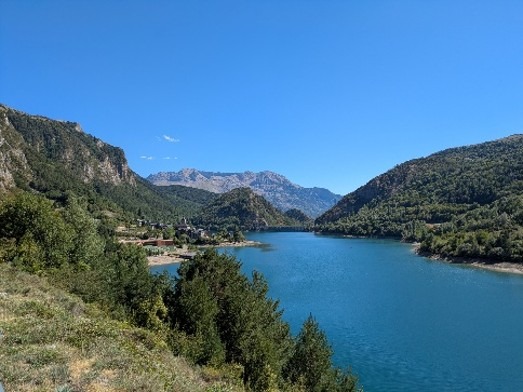
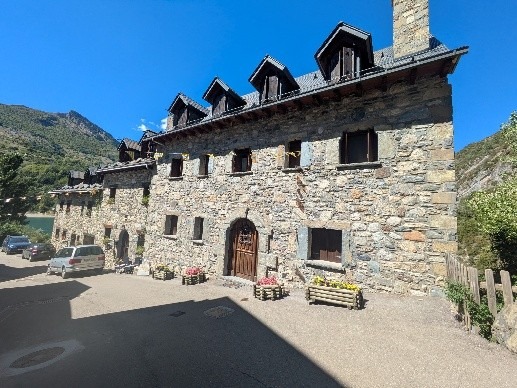
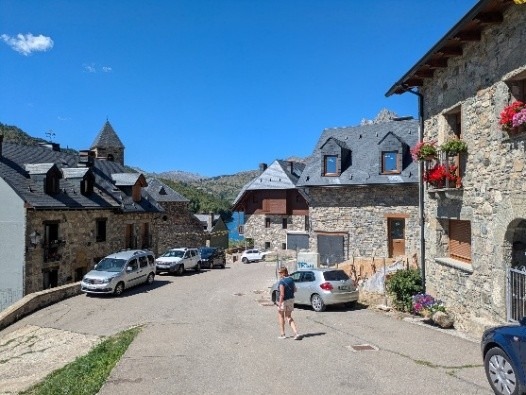
In the afternoon we drove to Sallent de Gállego, with free time for lunch, a village which sits above its more famous neighbour, Lanuza, situated on the slopes of the Pyrenees. Lanuza was a ghost town for many years. Its inhabitants had to abandon it in 1978 due to flooding fears after the construction of the Lanuza reservoir and were only able to return in the 90s after discovering that it was safe to live there. It is a compact settlement of stone and slate, whose houses have undergone extensive renovation, as the town aims to become a major tourist destination within the Tena Valley, yet keeping its historic centre.
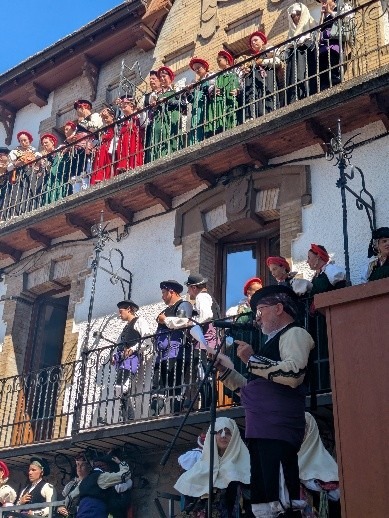
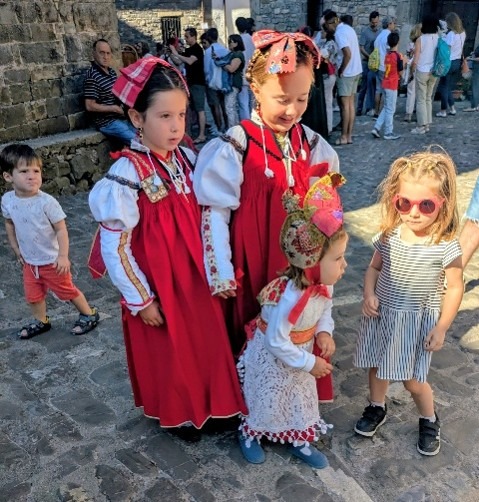
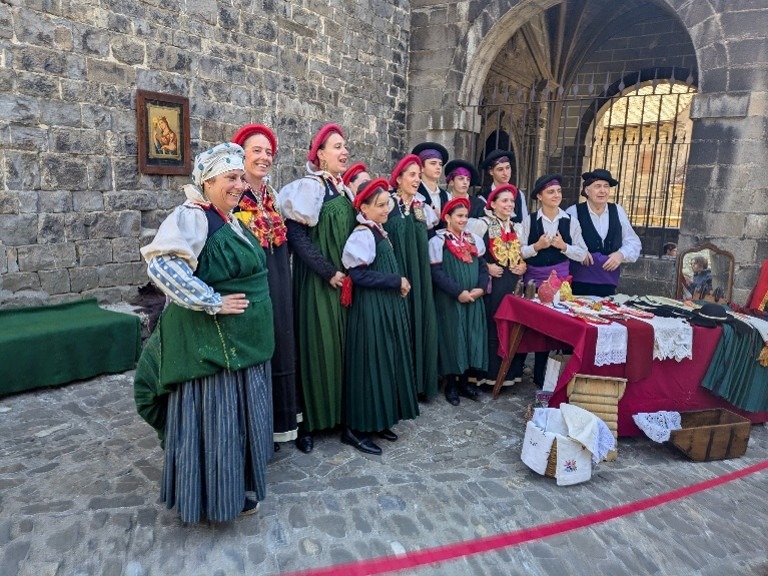
On Sunday 30th August we made our way to Ansó, declared a Site of Historical and Artistic Interest, which belongs to the Most Beautiful Villages in Spain Association. We were there to see the 55th edition of the Día del Traje Típico Ansotano (Ansó Traditional Costume Day), and expected a small gathering as the village is high up in the Pyrenees but there were lots of visitors from neighbouring towns all joining in. There was a marvellous costume parade, dancing and singing, but great difficulty in finding anywhere to get more than a snack and a drink as all of the restaurants and taverns were packed!! But it was certainly a great spectacle, with the different costumes explained, from the very small babies up to the elderly and church folk.
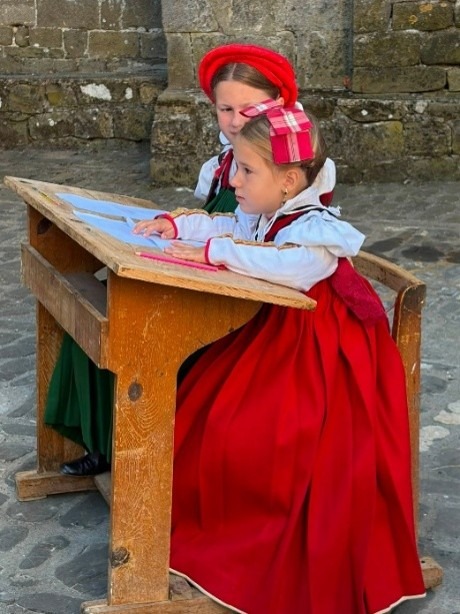
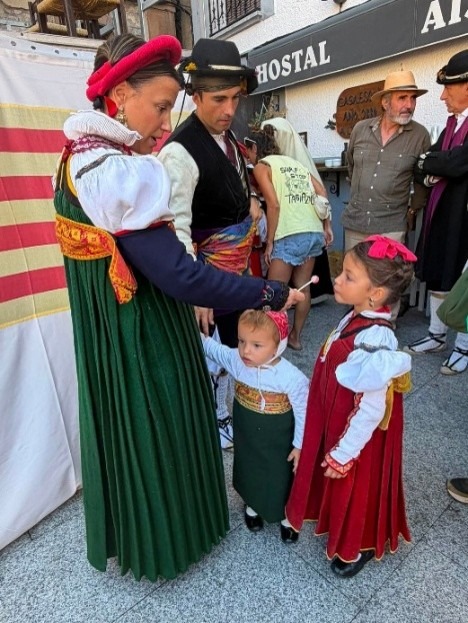
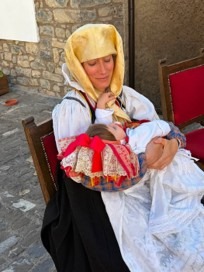
More than 100 residents of Ansó dress in their finest attire and showcase the daily life of yesteryear. Locals dress in their regional costumes, made of wool dyed red and green for women and black for men, adorned with details on the shoulders, chest, and head. This attire, one of the most beautiful and unique in Aragón, has been immortalized by artists like Sorolla and is a symbol of the cultural heritage of the valley. Baptismal costumes, “periquillo” outfits, brotherhood attire, and skirts are just some of the traditional costumes that can be seen each year.
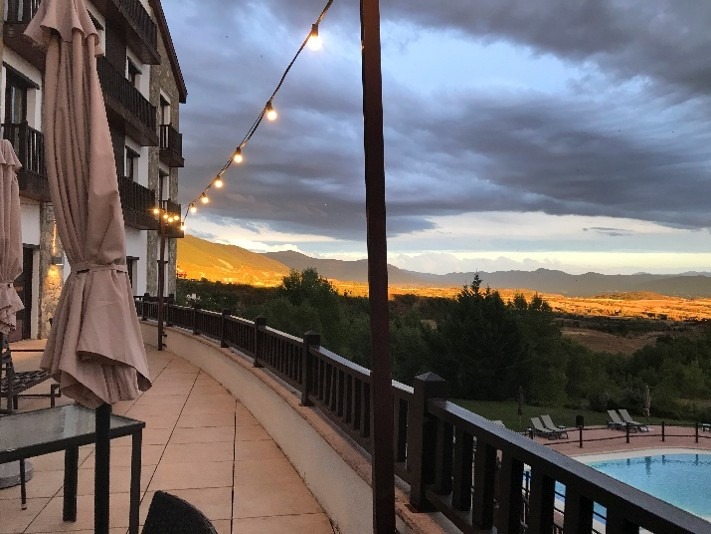
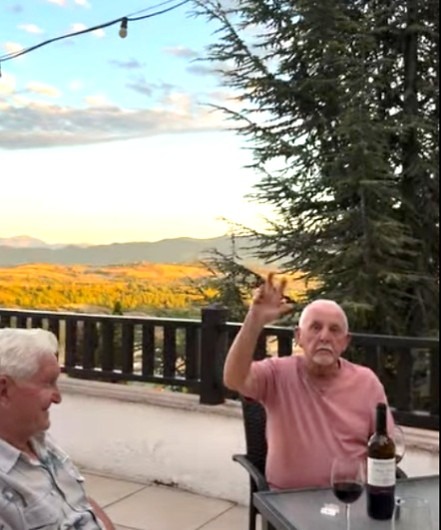
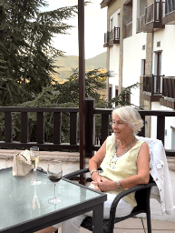
Our final night at the 4* Hotel & Spa Real Badaguás -Jaca, with a lovely sunset over the terrace.
On Monday 31st August we made our way to Loarre Castle, where we were to have a guided tour in English. Whilst on the coach I received the message that the guide was ill, so we would need to use their audio-guide system instead for a self-guided tour – which was actually probably a better choice as everyone was then able to visit the castle at their own pace. As an apology, everyone in the group was given a free coffee on arrival! The photos show what a glorious day it was.
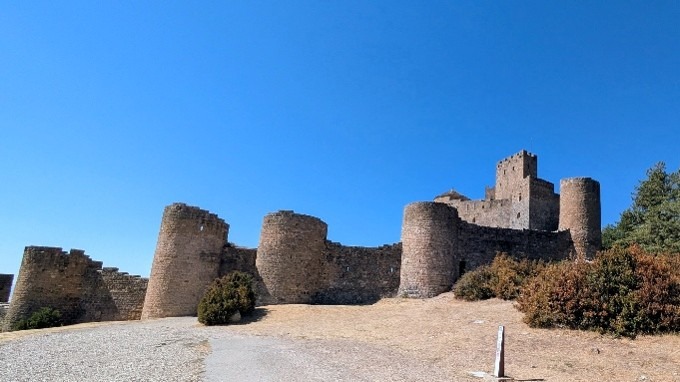
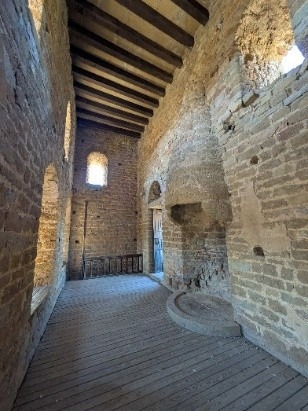
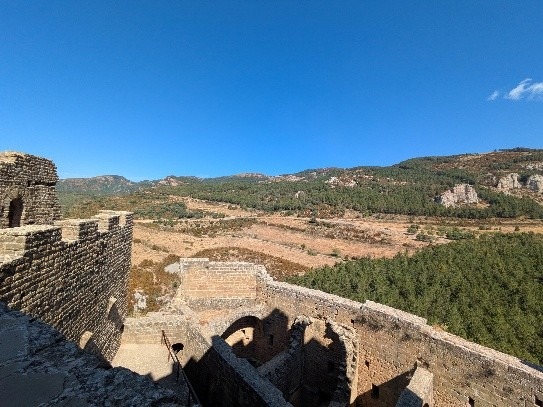
Declared a National Monument in 1906, Loarre Castle is considered the best-preserved Romanesque castle in Europe. An imposing 11th-century fortress that has witnessed the history of the Kingdom of Aragon to the present day. It has been the setting for numerous films, such as Irati, The Abbess, and Ridley Scott’s Kingdom of Heaven.
After time for refreshments, we made our way to our last hotel of the tour, and one of my favourite places in Spain, the Monasterio de Piedra, where dinner was included for the group.
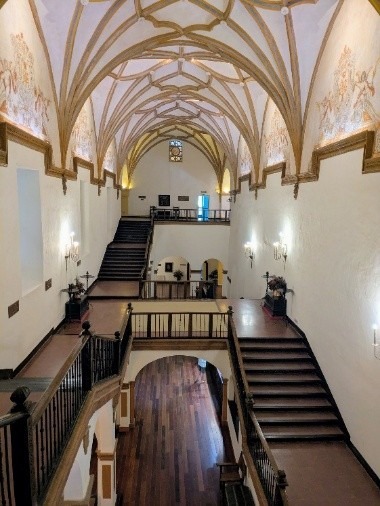
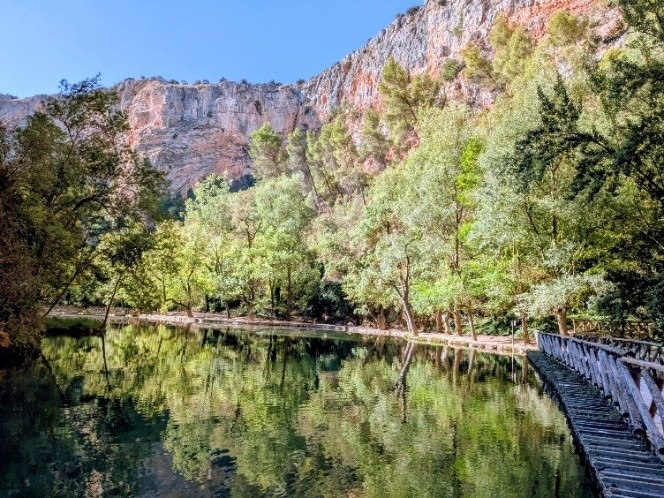
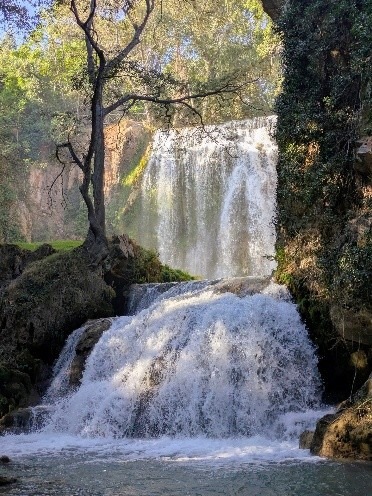
Housed within the former 13th-century Cistercian monastery, it is a listed Building of Cultural Interest which takes you back to bygone eras: the 13th-century cloister, the vaulted corridors, the Renaissance staircase, the “Library” room, all are beautiful. The hotel has extensive landscaped gardens, wooded areas, numerous waterfalls, lakes, and a wonderful grotto hidden behind a massive cascade, which you can enter via the spiral stone steps or through a tunnel.
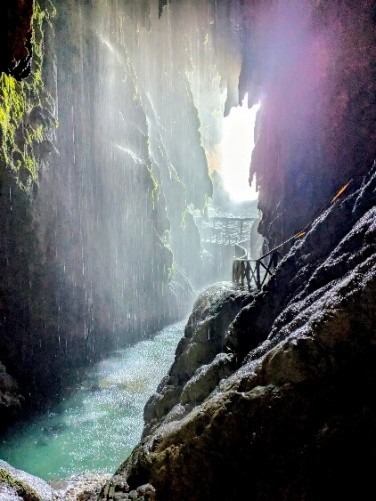
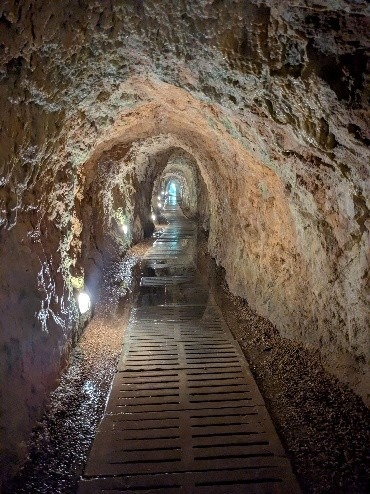
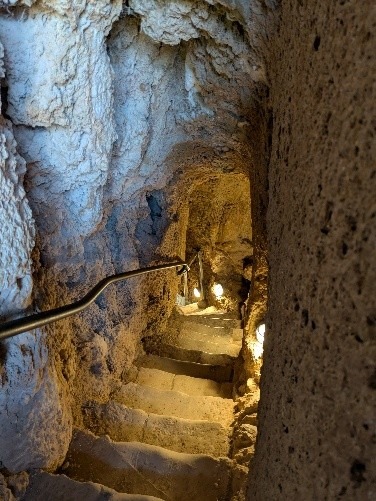
After visiting the park, we then had a group tour of the monastery ruins, cloister, the chocolate and wine museums and the carriage room.
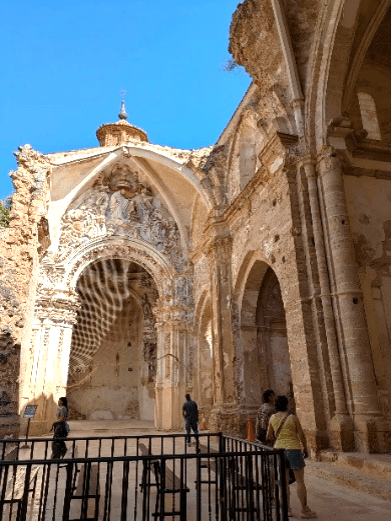
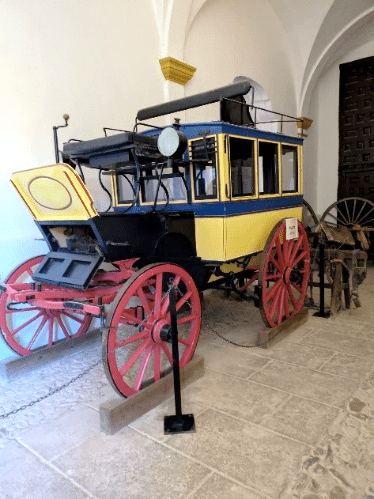
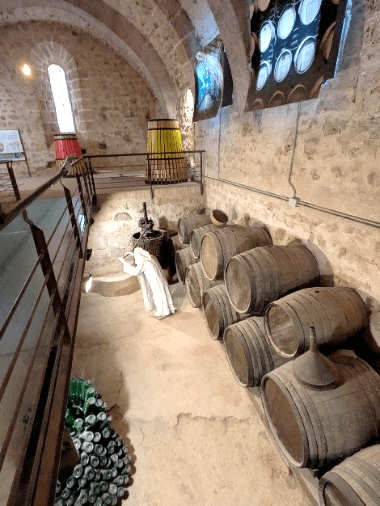
Followed by a short birds of prey exhibition, and lunch.
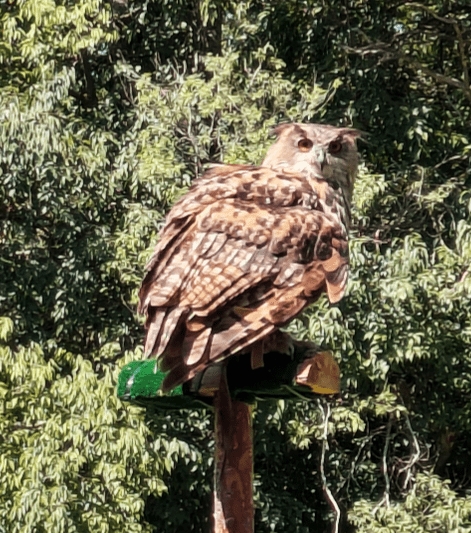
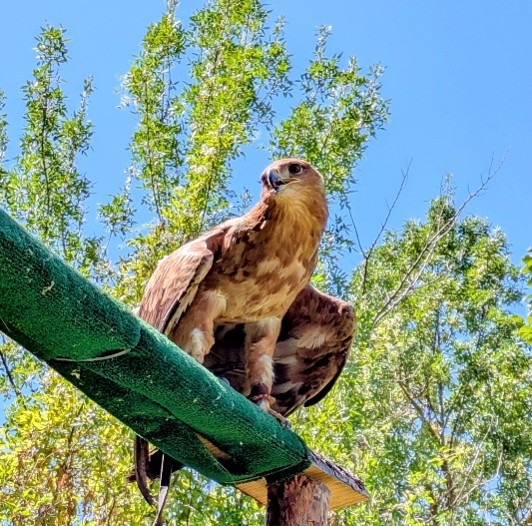
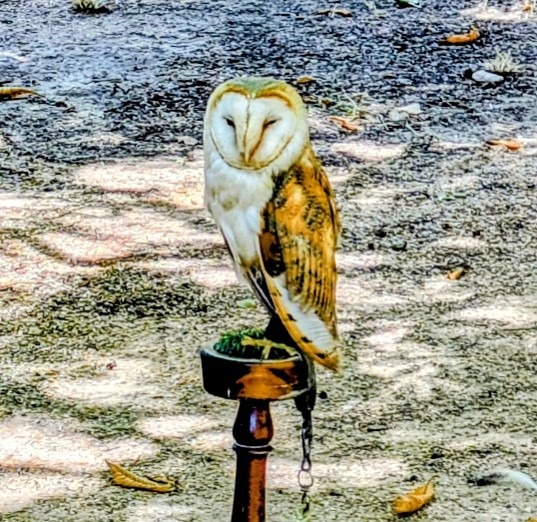
Before then making our way safely back to Jávea, where we gave our wonderful driver, Vicente, a huge round of applause.
Report by the group leader, Angela Chanty, with many thanks to all the members who shared some of their photographs and videos.