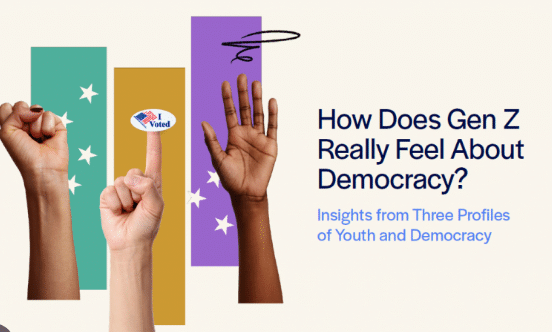
At our last Friday meeting, we began with the classical definition of democracy: rule by the people, meaning participation in decision-making and accountability of leaders. We then asked whether that holds today. Can citizens take part in the decisions that matter most? Can they hold leaders to account for broken promises and bad decisions? In practice, our only voice is an election every four years.
Parliaments, constitutions and elections still exist, but do they carry real power, or are they a façade behind which political, economic and institutional elites decide? We pointed to money, media, unelected institutions, courts and, above all, social media.
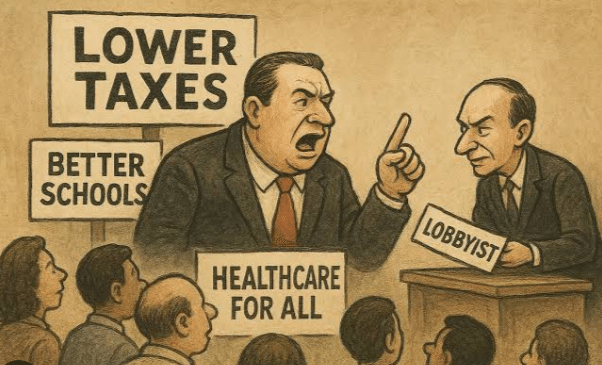
Many campaign promises cannot be delivered. Legislatures, coalition partners, courts, regional governments and, in Europe, the institutions of the European Union can block or dilute any proposal. Donors, party machines and lobbies pull the other way, and career incentives reward serving organised interests over scattered voters. Because voters rarely track follow-through, breaking a promise costs a politician far less than crossing a powerful backer.
This raises the question of low turnout, where a clear minority ends up ruling. We saw two causes: disillusionment, especially in two-party systems where people feel their vote changes nothing, and contentment, where people are comfortable enough not to care.
The question is far from academic. In 2026, some 35 countries have already held general elections, with 13 more before the year ends. In Europe, eight have voted, and five remain, including Spain on 29th November.
As millions of citizens go to the polls, the real test is whether their votes will decide anything, or merely confirm what has been decided elsewhere.