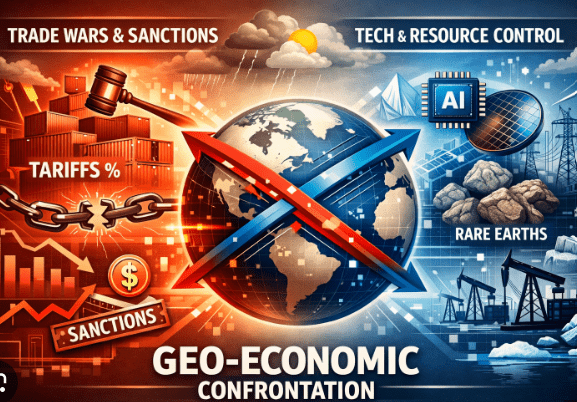
Energy is no longer just a utility—it is politics, security, and everyday life.
At a recent discussion, very few participants had solar panels, and none had battery storage, highlighting continued dependence on central power grids.
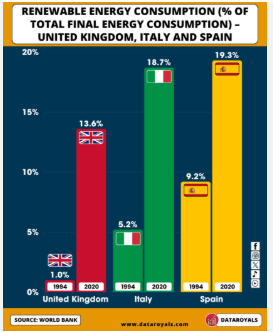
Spain’s energy mix is broadly balanced between renewables, gas, nuclear, and hydro, but concerns remain about grid stability. The 2025 Iberian blackout was seen as a warning that renewables require strong infrastructure and balancing systems, which need big investments.
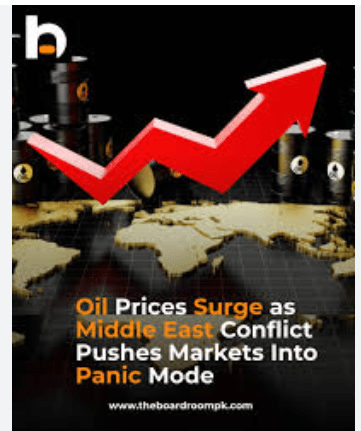
Across Europe, energy security is increasingly shaped by geopolitics. Conflicts affecting key routes such as the Strait of Hormuz and the Red Sea continue to influence global fuel prices.
Electricity demand is diverging globally: flat or falling in much of Europe, but rising in China due to EVs and industrial growth. EV adoption is also placing new pressure on ageing grids in Europe and the US.
Looking ahead, AI and data centres are expected to become major energy consumers, potentially reaching around 3% of global electricity use by 2030.
Energy is also increasingly used as a tool of political and economic pressure and becomes more central, more strained, and more political than ever.
Core conclusion
- Future energy systems will be shaped less by climate rhetoric and more by which economies can maintain:
- Affordable electricity
- Resilient grids
- Large‑scale industrial capacity
- Secure supply chains
These factors will determine industrial power in the 21st century.